 (Image source: Gemini)
 You know that specific moment in the late afternoon when the sun hits the jagged edge of a peak, and the air turns crisp enough to make you reach for a cashmere wrap? That's the heartbeat of the mountain town experience. It's the transition from a day spent on the trails or the slopes to an evening of deliberate, high-altitude indulgence.
When we talk about Boulder mountain towns, we're looking at a specific breed of destination. We are talking about places like Telluride, Breckenridge, and the city of Boulder itself, where the ruggedness of the Rockies meets a very refined sort of luxury. These towns are hubs of a sophisticated alpine lifestyle where the outdoor dining scene has become just as needed as the quality of the thread count in your suite.
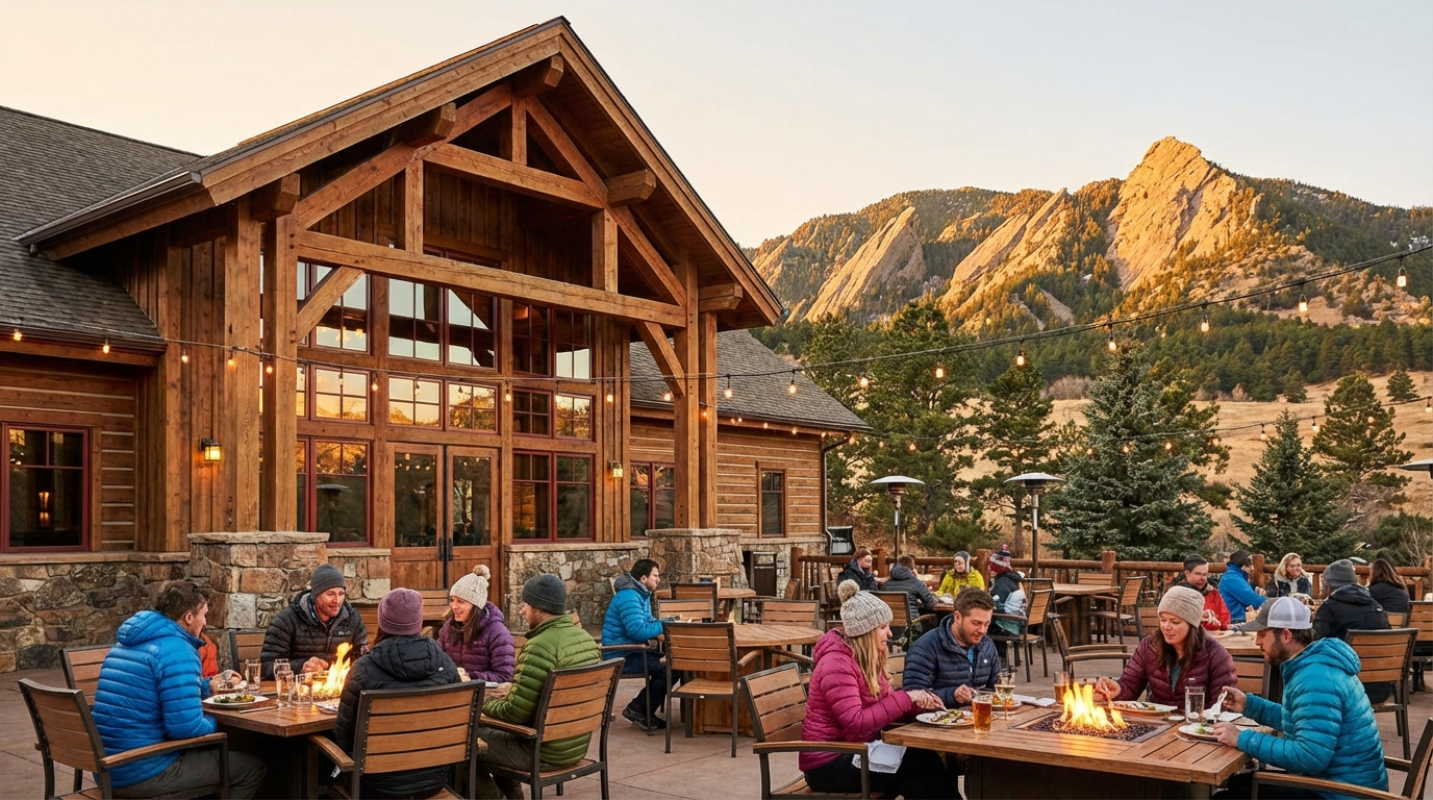
Trends have moved away from the old-school rustic opulence. You remember those dark, heavy lobbies with stuffed moose heads? Those are fading. Today, the premier lodges are focusing on a seamless connection to the environment. They've elevated their outdoor spaces to match the exclusivity of their indoor accommodations, making sure that your views of the Flatirons or the San Juans are never blocked by a piece of glass unless you want it to be.
Architectural Harmony and the New Alpine Aesthetic
Modern mountain lodge design is finally embracing the idea that the building should be an extension of the space, not a fortress against it. We're seeing a lot of heavy timber and natural stone, but the way they're used has changed. It's more about clean lines and getting the most from the verticality of the views.
Think about the difference between a historic landmark and a modern retreat. On one hand, you have places like the Chautauqua Dining Hall in Boulder, which has been around since 1898. Its wraparound veranda is a classic example of how to do it right. It doesn't try to compete with the scenery. It just provides a perfect, historic perch to watch the light change on the rocks while you eat locally sourced bistro fare.
On the other side of the coin, you have modern spots like the Viceroy Snowmass. Their NEST Bar and Grill is a poolside terrace that feels more like a chic urban lounge that just happened to land on a mountainside. The design uses retractable glass walls and bi-fold doors to erase the boundaries between the heated interior and the crisp mountain air. This kind of architectural flexibility allows you to feel the breeze when it's pleasant and stay protected when the weather turns, all without losing that visual connection to the peaks.
The outdoor terrace is no longer an afterthought or a seasonal bonus. It's the center of the guest experience. Designers are now using integrated flooring, like natural stone slabs, that run continuously from the lobby out onto the patio. This creates a visual unity that makes the entire lodge feel like one big, open-air sanctuary.
The Culinary Altitude and Farm to Table Evolution
If you're looking for a meal that matches the height of the mountains, the dining scene in these towns has reached a new level of maturity. We've moved past the era where "mountain food" just meant a heavy steak and a baked potato. The focus now is on a farm-to-table ethos that is hyper-regional.
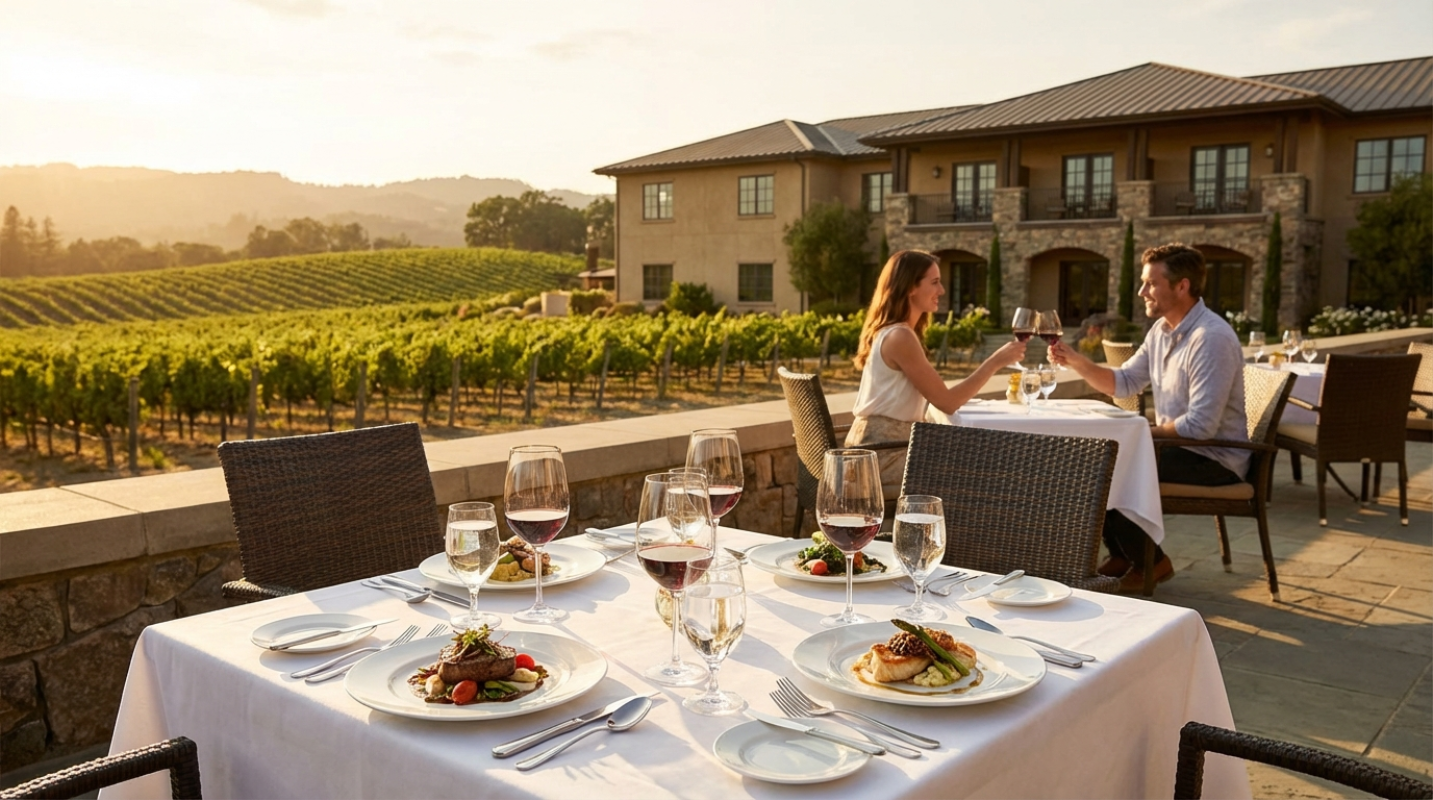
Have you noticed how many menus now tell you the name of the specific ranch where your lamb was raised? In 2025, this has evolved into what experts call table-in-farm dining. It's about minimal intervention. The chefs at top-tier spots like Yuta at The Lodge at Blue Sky in Utah are focused on staying true to the ingredients. They aren't masking flavors with heavy sauces. They're letting the high-altitude produce speak for itself.
The outdoor dining setups themselves are marvels of engineering. We aren't just talking about a few plastic chairs and a heat lamp. The best spots now feature
- Climate-Controlled Patios: Think heated stone floors and radiant heating panels hidden in the ceilings of pergolas.
- Adjustable Louvered Roofs: These allow servers to dial in the exact amount of sunlight or protection from a sudden alpine shower.
- Biophilic Integration: Many patios now feature vertical herb gardens or native hedges that act as natural sound barriers and provide fresh garnishes for your cocktails.
Take the Flagstaff House Restaurant in Boulder as an example. Perched at 6,000 feet, it recently received gold distinctions for both its fine dining and its service.¹ They maintain a 15,000-bottle wine cellar, and their outdoor terraces offer a perspective of the city and the mountains that is frankly hard to beat. It's the kind of place where the environment dictates the pace of the meal.
Beyond the Plate and the Curated Mountain Ambiance
What actually makes an evening in a mountain town memorable? It isn't just the food. It's the way the atmosphere is curated to transition you from your daytime adventures to evening sophistication.
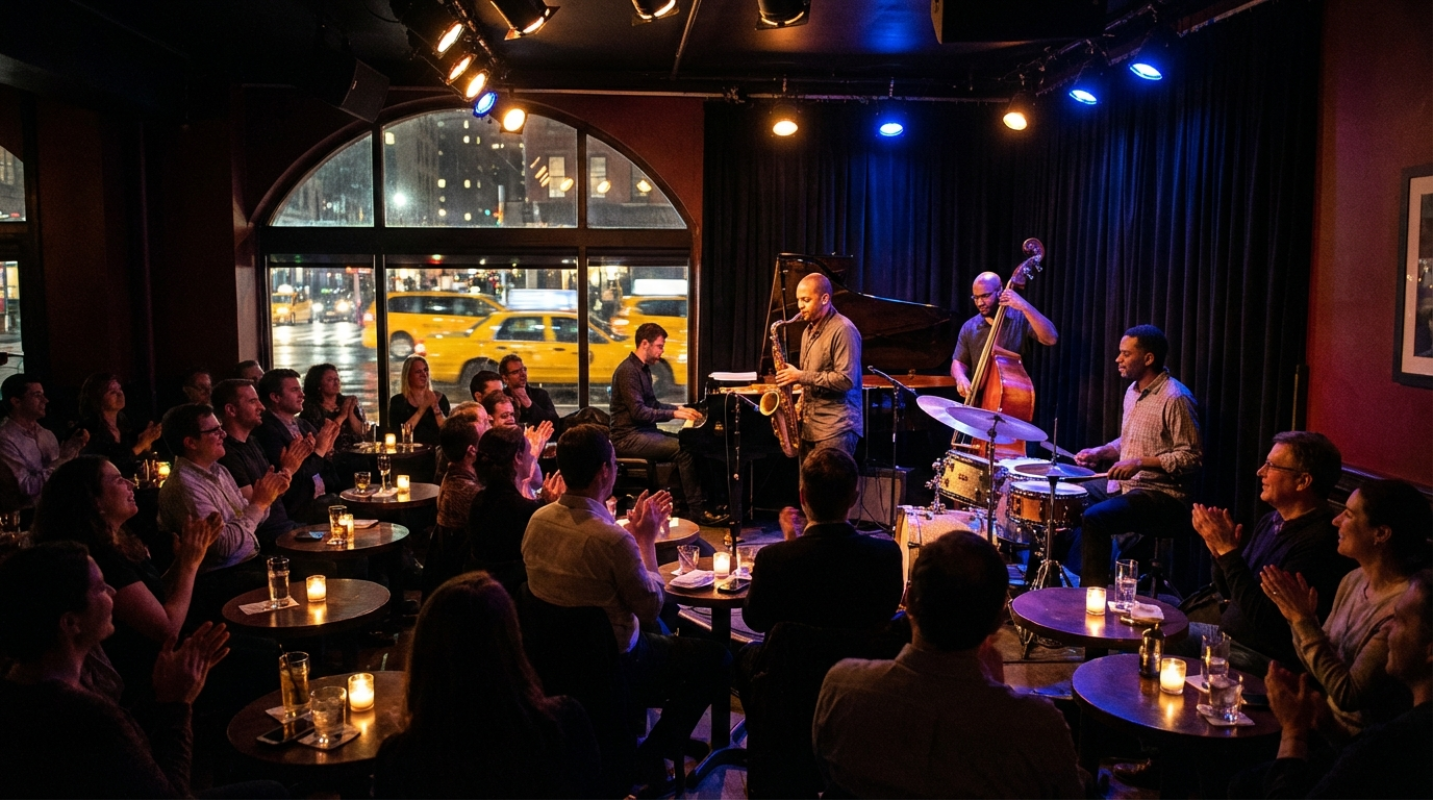
Service plays a massive role here. In the best lodges, you'll find expert sommeliers who can handle a massive wine list while standing on a terrace in a light snowstorm. You'll hear live acoustic music that complements the sound of the wind through the pines rather than drowning it out.
Some lodges are taking it even further with unique amenities integrated right into the dining areas. You might find telescope viewing decks adjacent to the bar, or outdoor spa access, where you can enjoy a glass of champagne by a fire pit after a treatment. The St. Regis Deer Valley is famous for this with its Mountain Terrace. Their 2,000-degree fire garden is a literal beacon of luxury, providing a warmth that allows for outdoor socializing deep into the colder months.
The shift toward experiential wellness is also hitting the dining scene. Travelers in 2025 are looking for culinary experiences that feel like a pillar of their identity.² This might mean a chef-led storytelling session on the patio about the history of the ingredients, or a foraging expedition that ends with a meal prepared over an open flame right in front of you.
Top Recommendations
If you are planning a trip to explore these scenes, here are the spots that are currently defining the standard for luxury and ambiance.
- St Julien Hotel and Spa (Boulder, CO): The Redgarden Terrace is the place to be. It offers some of the best views of the Flatirons in the city and hosts live music almost every night during the summer.
- Boulder Mountain Lodge (Boulder, UT): This property was recently acquired by the team behind the James Beard-nominated Hell’s Backbone Grill and Farm.² The lodge features expanded heated patio seating and a new food truck operation called Little Bone.
- Four Seasons Resort Vail (Vail, CO): Tavernetta Vail has brought a level of Italian elegance to the alpine village that feels fresh and sophisticated. Their outdoor seating is a masterclass in combining village vibes with high-end service.
Alpine Perfection
So how do you actually get the most out of these places? First, you have to plan ahead. The best outdoor tables at spots like Flagstaff House or Yuta are booked weeks, sometimes months, in advance, especially during the peak summer and fall foliage seasons.¹
If you want the best experience, aim for the shoulder hours. A 5:30 PM reservation might seem early, but it guarantees you'll see the full progression of the sunset, which is the real show. Also, don't be afraid to ask about the specific heating tech on the patio. A place with heated floors is going to be much more comfortable for a long, lingering dinner than a spot that relies solely on overhead lamps.
The magnetism of these mountain towns isn't going away. If anything, the desire for "experiential authenticity" is only getting stronger.³ We want to feel the mountains, but we want to do it with a glass of vintage Bordeaux in hand and a heated stone floor beneath our feet. That teamwork between the rugged outdoors and exceptional culinary creations is exactly what makes these lodges worth the journey.
Sources:
1. Flagstaff House Community News
2. Hell’s Backbone Grill & Farm Acquires Boulder Mountain Lodge
3. 2025 Hotel and Resort Restaurant Trends
The reviews and opinions expressed on this site are for informational and entertainment purposes only. While we strive to provide accurate and up-to-date evaluations of businesses, products, and entertainment, the content should not be considered professional advice. Readers are encouraged to verify specific details before making any decisions.