Have you ever dreamed of standing in a roaring crowd of eighty thousand people, feeling the stadium shake as your team scores? You're not alone. Planning a sports-themed trip is one of the fastest-growing trends in travel today.¹ Last year, the global sports tourism market was valued at 803.9 billion dollars, and it's on track to hit 2.77 trillion dollars by 2033.⁴ That's a massive growth rate of 16.8% annually. In fact, sports travel now accounts for 10% of all global tourism spending.⁴
So what does this mean for you? It means if you want to attend a major game, you're competing with millions of other fans for tickets, flights, and hotel rooms. A study from last year showed that 42% of sports event travelers crossed an international border for their trip.³
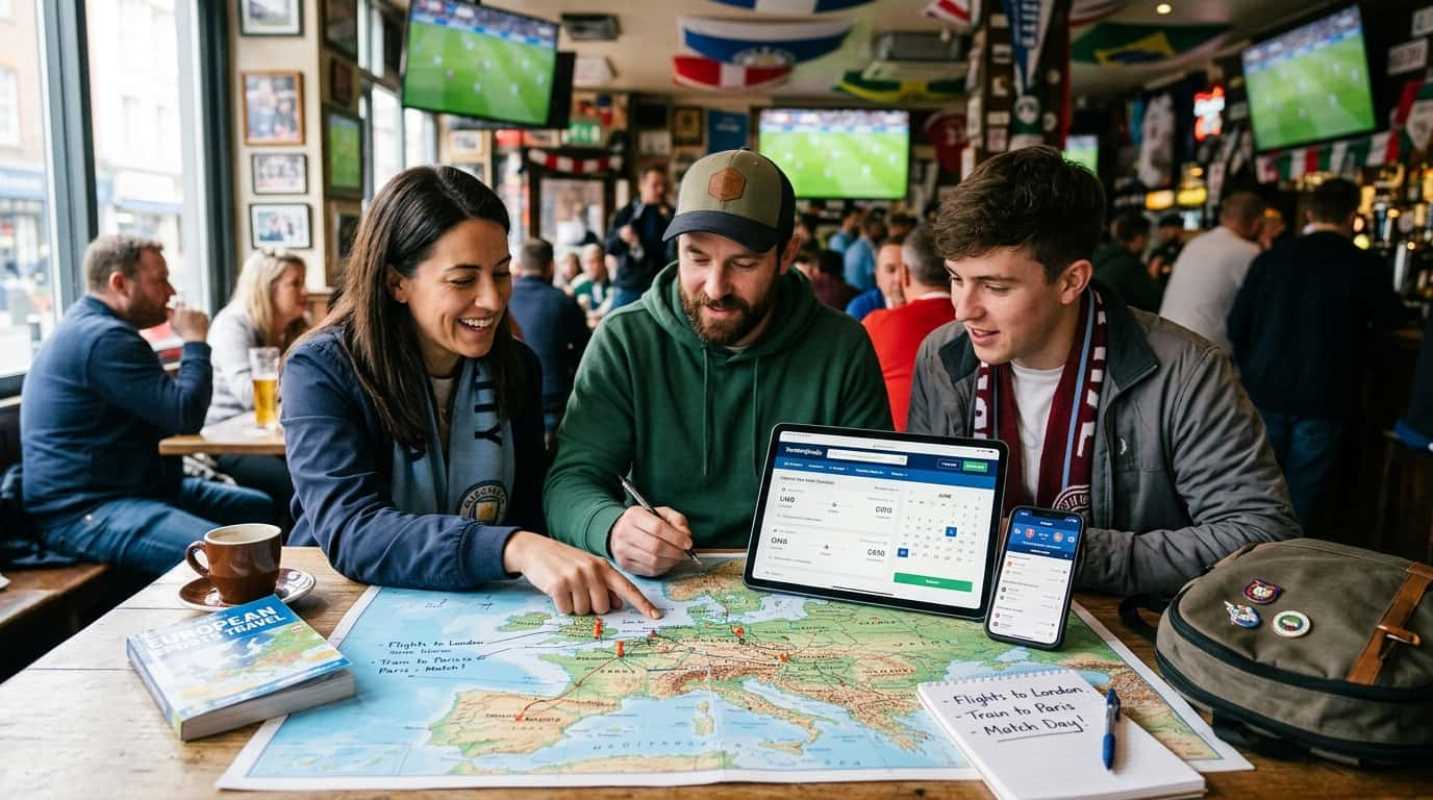
Planning a sports-themed trip isn't like booking a standard beach vacation. It requires a strategic playbook. You have to start by defining your dream experience. Are you aiming for a once-in-a-lifetime pilgrimage to this year's 2026 FIFA World Cup, or is it a quick weekend road trip to see a classic college football rivalry?
Once you know your target, you have to balance those bucket-list dreams with budget realities. Mega-events are notoriously expensive. Early-stage planning is your best defense against empty pockets. If you start mapping out your trip twelve to eighteen months in advance, you'll save thousands of dollars and avoid the heartbreak of sold-out venues. It's the single most important secret to sports travel success.
Mastering the Logistics of Attending Major Sporting Events
The absolute golden rule of sports travel is simple: secure your tickets before you book anything else. Don't book a flight hoping you'll find a cheap ticket on the street. That's a recipe for disaster.
• Stick to official channels: Buy directly from official governing bodies like FIFA, the IOC, or UEFA. This is the only way to avoid counterfeit tickets and crazy price markups.
• Use trusted secondary markets with caution: If you must use resale sites, stick to platforms that offer 100% buyer guarantees.
• Book near public transit: Don't try to stay right next to the stadium. Hotels there will charge triple their normal rates. Instead, find a hotel along a direct train or subway line about thirty minutes away. You'll save money and bypass the inevitable traffic jam on game day.
• Check your travel documents early: If you're traveling internationally, passport and visa logistics can ruin your trip before it starts. Make sure your passport is valid for at least six months beyond your return date. For massive multi-country events like the 2026 FIFA World Cup, you might need separate entry documents like an ESTA for the United States, an eTA for Canada, and a Mexican entry visa.⁸
Beyond the Stadium to Create a Full Itinerary
A great sports trip is about more than just the hours spent inside the stadium. If you fly halfway around the world just to sit in a seat and then go back to your hotel, you're missing out. Deep planning makes sure you don't miss out on the local flavor of the host city.⁵
To build a truly memorable trip, you should blend local sightseeing with official fan zones. Major tournaments host massive, free public fan festivals. These areas have giant screens, local food trucks, and live music. The atmosphere there often rivals the stadium itself.
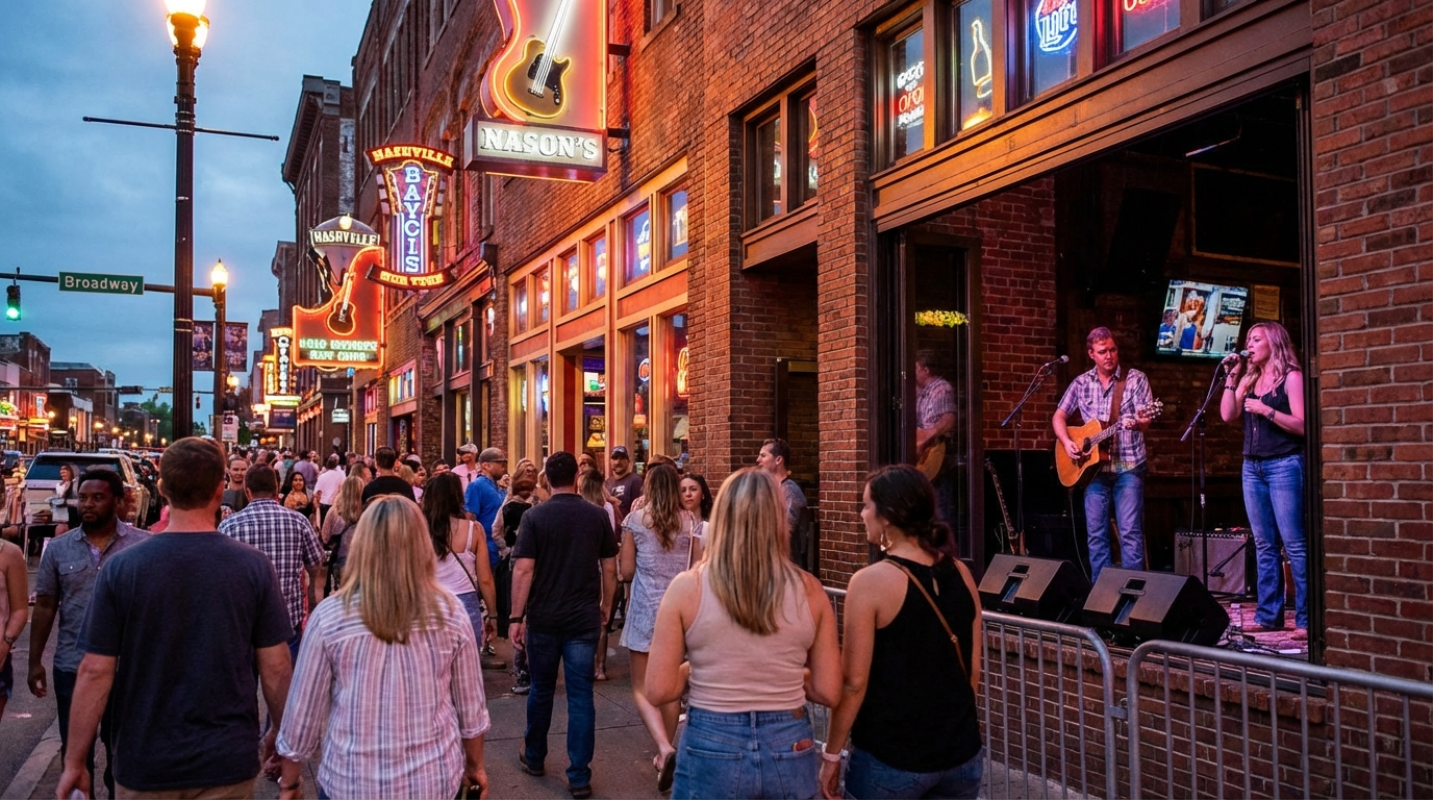
You should also take some time to research the local sports culture. Every city has its own rituals. Maybe it's visiting a historic pub in London where football fans have gathered for a century, or joining a massive tailgating party in the American South. Learning the local history makes you feel like an insider rather than just another tourist.
Finally, don't forget to schedule some downtime. Sports travel is exhausting. The emotional highs, the walking, and the crowds will drain your energy. Plan a rest day in the middle of your trip to just wander a museum, sit in a park, or enjoy a long lunch without any schedule.
Needed Sports Tourism Tips for the Modern Fan
When game day finally arrives, you need to be prepared. Packing the right gear can make or break your stadium experience.
• Check the stadium bag policy: Most modern venues, especially in the United States, enforce strict clear bag policies. If your bag isn't clear vinyl or plastic, or if it exceeds the standard size limits, security will turn you away.
• Prepare for weather shifts: Stadiums can get incredibly hot in the sun or freezing cold when the wind kicks up. Wear layers and bring a lightweight, packable poncho.
• Go completely cashless: Almost all major global venues are now cashless. Set up your mobile wallet on your phone and carry cards that don't charge foreign transaction fees.
• Use fan forums for real-time tips: Before you go, join online communities or fan forums dedicated to the host city or team. Local fans are usually happy to share the best places to eat, the safest routes to the stadium, and which gates have the shortest lines.
• Stay aware of your surroundings: High-density crowds are prime targets for pickpockets. Keep your phone and wallet in your front pockets, and stay alert when leaving the stadium in a massive crowd.
Getting the Most from Your Budget Without Sacrificing the Thrill
Let's talk about money. Travel prices skyrocket during major sporting events because of dynamic pricing. Airlines and hotels know when a big game is in town, and they raise their prices automatically.
But you don't have to pay top dollar. One smart trick is to look for affiliate hotels. Many major events partner with local hotels to offer fan packages. These packages often feature guaranteed room blocks and free shuttle services to the venue, which saves you from paying for expensive rideshares.
Speaking of rideshares, avoid calling an Uber or Lyft right outside the stadium after the final whistle. Surge pricing can easily top 150 dollars, and you'll just sit in gridlock for hours. Instead, use public transit. Many host cities actually offer free transit on game day for ticket holders. If you must use a rideshare, walk a mile or two away from the stadium zone before booking your ride.
You can also save money by being smart about merchandise and food. Stadium food is always overpriced. Eat a hearty meal at a local spot outside the stadium gates before you go in. If you want a team jersey, buy it online before your trip rather than paying the inflated stadium gift shop prices. Save your cash for the experiences that actually matter, like a stadium tour or a local food tour.
If you're traveling between multiple cities for a tournament, dragging heavy bags through airports and train stations is a common pitfall. You can use specialized luggage shipping services like LuggageToShip to send your heavy bags directly to your next hotel, saving you from dragging them through crowded train stations.²
With a solid plan and some smart logistics, you can pull off the ultimate sports trip without breaking the bank.
Sources:
1. Your Ultimate Guide to Sports Event Travel
https://www.notjusttravel.com/blog/inspiration/your-ultimate-guide-to-sports-event-travel
2. FIFA 2026 Match Travel Tips
https://www.luggagetoship.com/blog/fifa-2026-match-travel/
3. New Study: Win Big Sports Tourism
https://partner.expediagroup.com/en-us/resources/blog/new-study-win-big-sports-tourism
4. Sports Tourism Market Research
https://www.persistencemarketresearch.com/market-research/sports-tourism-market.asp
5. A Guide to Planning a Sports Trip
https://www.postcardsandpassports.com/a-guide-to-planning-a-sports-trip/