Basic economy is the fare the airline hopes you will not read about before buying. It sits at the top of the search results with the smallest number, and everything that makes that number possible is disclosed in gray text behind a link. This is not quite the scam its critics claim, nor the harmless discount its sellers imply — it is a legitimate product with sharp edges, built for one kind of traveler and quietly punishing for everyone else. This review takes the tier apart: what you actually surrender, what the restrictions cost in practice, and the honest rules for when the smallest number is the right one.
What You Actually Give Up
The details vary by airline, but the basic economy playbook is consistent. Seat selection is stripped or sold back at a fee, and assignments arrive at check-in — which is how couples end up in middle seats twelve rows apart. Boarding drops to the final group, which on full flights means gate-checking your carry-on after the bins fill. Some carriers go further and restrict you to a personal item only, with a full-size carry-on triggering fees. Changes and cancellations range from expensive to simply prohibited, and refunds beyond a small credit are rare. On many airlines the fare earns reduced or no loyalty credit, is last in line for upgrades and standby, and is first in line for involuntary rebooking when flights are oversold.
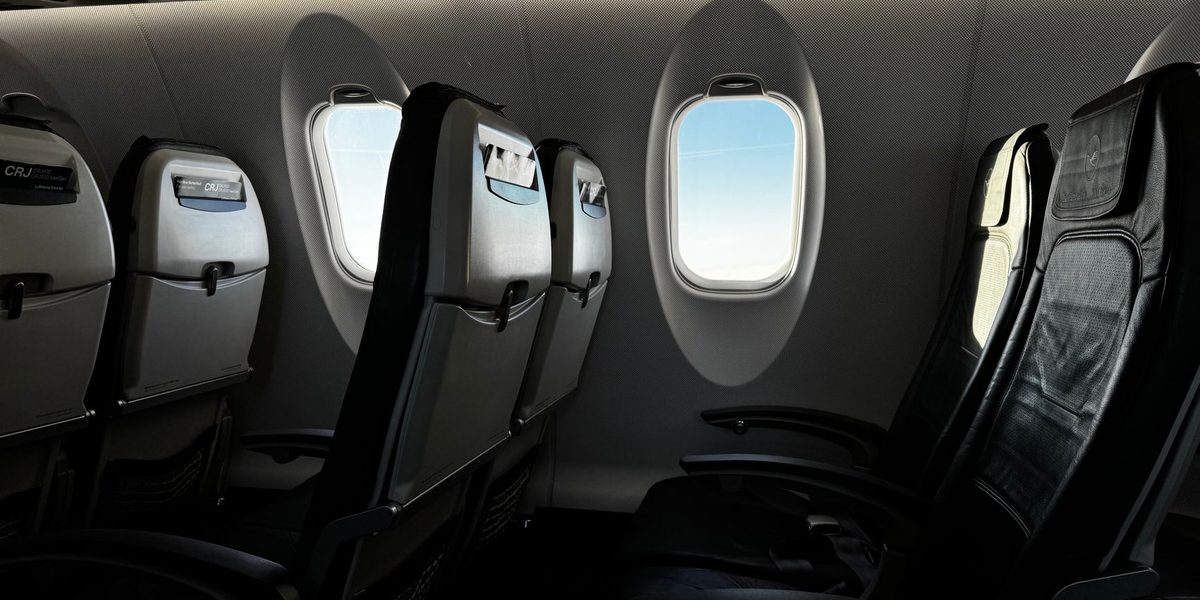
Crucially, the seat itself is the same seat. Same pitch, same width, same cabin, same arrival time. You are not buying a worse chair; you are buying a worse contract.
The Real Price of Each Restriction
Reviewing the restrictions individually clarifies who should care. The seat assignment lottery costs solo travelers almost nothing — a middle seat is a bad afternoon, not a crisis — while it costs families with young children the whole premise of the fare, since paying to sit with your own toddler erases the savings. Late boarding costs nothing to a traveler with a small bag and everything to one whose carry-on holds tomorrow's meeting clothes. The no-changes clause costs nothing on a fixed-date leisure trip and is a loaded trap on any itinerary that might move.
This is the tier's honest secret: the restrictions are not uniformly painful. They are precisely targeted at flexibility, togetherness, and luggage — so the fare's true price depends entirely on how much of those three things you need.
The Arithmetic the Search Results Hide
The visible gap between basic and standard economy is often modest — the price of a sandwich and a coffee at the airport. Add back the things you actually need, and the gap can invert: a paid seat assignment plus a carry-on fee routinely exceeds the difference, meaning the “cheapest” fare becomes the expensive one for anyone who needs what it removed. Before buying, price the standard fare, then price basic plus every add-on you would genuinely purchase. That sixty-second comparison, done honestly, settles most bookings on its own.
Factor in risk, too. A standard fare's change flexibility is an insurance policy priced into the ticket. If there is any realistic chance your plans move — work, weather, family — the basic fare's savings are a bet against your own calendar, and the house wins those bets often.
Who Basic Economy Genuinely Suits
- Solo travelers with a personal item. No one to sit beside, nothing to gate-check, no reason to board early: the target customer, well served.
- Fixed-date, short-haul hops. Two hours in a random middle seat is a tolerable trade on a flight too short for comfort to compound.
- Price-decisive trips. When the fare difference determines whether the weekend happens at all, the tier does its one job: making the trip possible.
- Travelers with airline status or the right cobranded cards. Some restrictions — free bags, better boarding — are quietly waived by status, letting savvy flyers buy the cheap contract and keep the perks.
Who Should Never Book It
Families and groups top the list: paying separately to reunite your own party is the tier's most common regret. Connecting itineraries come next — a missed connection on the least flexible, lowest-priority fare in the cabin is where basic economy horror stories are manufactured. Business travelers fail the flexibility test by definition. Travelers with a full-size carry-on on carriers that restrict them are simply buying a baggage fee with extra steps. And anyone flying long-haul should note that several hours in an unassigned middle seat is a different product from ninety minutes in one; the restrictions scale with the flight.
There is also a softer disqualifier: temperament. If boarding last, waiting for a seat assignment, and holding a use-it-or-lose-it ticket will have you refreshing the airline app with a knot in your stomach, the sandwich-sized savings are funding a day of low-grade anxiety. Peace of mind is a legitimate line item.
Basic Economy vs the Budget Carriers
The tier exists because ultra-low-cost airlines proved travelers would trade almost anything for a smaller number, and the legacy carriers built basic economy to stop losing those search results. That history matters when you shop, because the honest comparison for a basic fare is often not the standard fare above it but the budget airline beside it. The budget carrier unbundles everything and charges for each piece openly; the legacy basic fare unbundles selectively while keeping the full-service cabin, crew, and rebooking network behind it.
That network is the sleeper advantage. When weather shreds a schedule, a legacy carrier has other flights, partner airlines, and rebooking machinery — even for its cheapest passengers, who merely stand last in line for it. A point-to-point budget carrier may have nothing to offer but a seat on the same flight two days later. On routes where the prices tie, the basic fare on a network airline is usually the stronger contract, restrictions and all. On routes where the budget carrier is dramatically cheaper, take the savings with open eyes and a schedule that can absorb a bad day.
How to Play the Tier Well
If basic economy fits your trip, buy it deliberately rather than accidentally. Read your specific airline's version of the rules, because the tier's contents differ meaningfully between carriers — carry-on policies especially. Check in the moment the window opens, which improves both seat assignment and gate-check odds. Pack to the personal-item limit as a discipline rather than a hope. Board when called and not later. And treat the ticket as final the moment you buy it — the fare rewards travelers who never test its flexibility, because it has none.
Final Thoughts
Basic economy is an honest product wrapped in a slightly dishonest presentation: the price is real, the restrictions are real, and the airline's bet is that you will notice the first and skim the second. Reviewed on its merits, it earns a genuine recommendation for the solo, fixed-date, light-packing traveler it was designed for — and a firm warning for families, connectors, and anyone whose plans breathe. The fare is neither a trap nor a triumph. It is a contract, and like every contract, it serves the party who read it. Do the add-back math, know your own flexibility, and let the smallest number win only when it is actually the smallest number.