The jump from premium economy to business class is the most expensive single upgrade in mainstream travel, often multiplying the fare rather than merely increasing it. Airlines justify the gap with flat beds, lounges, and champagne; skeptics point out that both cabins land at the same time. Both sides have a point. This review compares the two tiers where it matters — sleep, ground experience, food, work space, and arrival condition — and gives a plain answer about who should pay and who should not.
The Core Difference Is the Bed
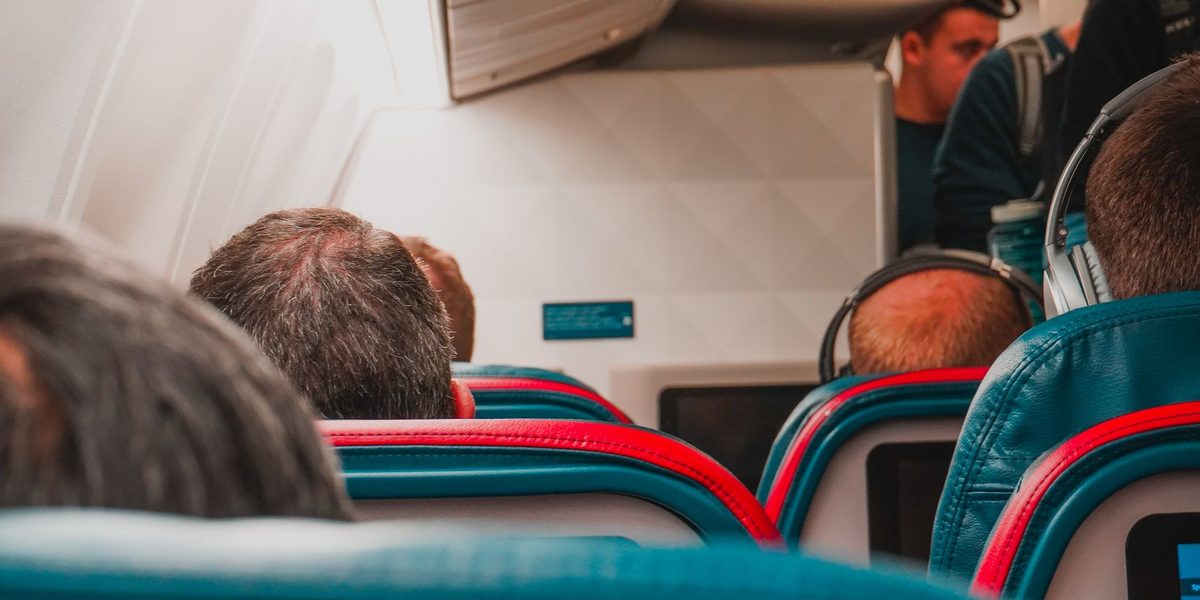
Strip away the marketing and business class sells one thing premium economy cannot: horizontal sleep. A lie-flat seat changes the physics of a long flight. You board, eat, sleep six or seven real hours, and walk off in roughly the shape you boarded in. Premium economy, however plush, keeps you at an angle, and most bodies simply do not achieve deep sleep at an angle.
This is why the comparison flips depending on flight timing. On an overnight sector of eight hours or more, the bed is the whole argument, and it is a strong one for anyone who must function the next day. On a daytime flight, the bed sits mostly unused, and premium economy's comfortable chair suddenly covers a surprising share of the experience at a fraction of the cost.
The Ground Game: Lounges, Lines, and Stress
Business class begins working for you hours before departure. Dedicated check-in rows, fast-track security at many airports, lounge access with food and showers, priority boarding, and bags that come off the belt first — each element removes a queue or a stressor. Premium economy typically includes priority check-in and boarding but stops short of the lounge and the fast track.
How much this matters depends on your itinerary. For a single nonstop with online check-in and carry-on luggage, the ground benefits are pleasant but thin. For a multi-leg journey with a long connection, lounge access alone — a shower, a proper meal, a quiet chair between flights — can be the difference between arriving human and arriving wrecked. Connecting travelers get far more of business class's total value than nonstop travelers do.
Food and Drink: A Real Gap, an Overrated One
Business class catering is genuinely better: multi-course meals, real glassware, wines chosen by someone with a budget, and the ability to eat when you want on many carriers rather than when the cart arrives. Premium economy meals are upgraded economy fare — better, but recognizably from the same kitchen.
Here is the honest assessment: food is the most photographed and least important part of the comparison. A meal is ninety minutes of a twelve-hour flight. If dining at altitude is a highlight for you, weight it accordingly, but nobody lands more rested because the appetizer was seared instead of steamed. Pay for the bed and the lounge; treat the food as a bonus.
Working and Privacy
Modern business cabins increasingly offer direct aisle access and partial privacy — a small suite where you can work, take off your shoes, and ignore the rest of the plane. For travelers who genuinely work in flight, the desk-like surface, laptop power, and freedom from a reclining seatback ahead have measurable value. Premium economy supports laptop work adequately on most aircraft, but you are still negotiating shared armrests and a neighbor's elbow.
Privacy is also a comfort feature in itself. Sleeping without a stranger's shoulder against yours is part of why business-class rest is deeper. Light sleepers should count this in the bed's favor rather than dismissing it as luxury trim.
The Price Reality
The fare gap between the tiers is rarely small, and it behaves differently by route. As a rule of thumb, when business class costs up to about double premium economy on an overnight long-haul, the upgrade defends itself for anyone with next-day obligations. When the multiple stretches to three or four times the fare, you are paying steeply for the same arrival time, and premium economy becomes the rational pick for all but expense-account travel.
There are ways to shrink the gap. Points redemptions concentrate their best value in business cabins. Bid-for-upgrade programs let premium economy passengers move forward for a fraction of the walk-up difference. Positioning to a nearby hub where competitive pressure lowers business fares is a well-worn trick. The savvy move is to book premium economy at a fair price and hunt the upgrade, rather than paying rack rate for either cabin.
The Arrival Test
The cleanest way to compare the tiers is to ignore the flight entirely and look at the first six hours after landing. A traveler who slept flat clears immigration, drops bags, and starts the day. A traveler who dozed at an angle needs a nap, a long shower, and forgiveness. If those first six hours contain anything important — a meeting, a wedding, a connecting flight to a small airport, the only afternoon you have in a city — the bed pays for itself in usable time. If they contain nothing but checking into a hotel and finding dinner, premium economy's deficit costs you almost nothing.
This test also exposes a truth the fare pages hide: the same cabin is worth different amounts on the outbound and the return. Many experienced travelers split the ticket — business class on the overnight outbound when arrival condition matters, premium economy on the daytime return home when the only obligation after landing is laundry. Mixed-cabin itineraries are widely bookable and represent some of the smartest spending in long-haul travel.
Who Should Pay for Business
- Overnight flyers with morning obligations. If you land and lead a meeting, the bed is a professional tool, not a treat.
- Connecting travelers on long itineraries. Lounges, showers, and priority handling compound across each leg.
- Poor upright sleepers. If premium economy leaves you awake all night, its lower price buys you nothing but fatigue.
- Travelers with points to burn. Award pricing often makes business the best value per point in the entire loyalty system.
Who Should Stay in Premium Economy
Daytime flyers get most of what they need from the cheaper cabin: a wide seat, room to work, decent food, and priority handling. Travelers on the first day of a two-week vacation, with nothing scheduled on arrival, can absorb a mediocre night's sleep for free by simply going to bed early at the destination. And travelers for whom the fare difference represents several nights of hotel or a week of experiences on the ground should remember that the flight is transportation, not the trip.
There is no shame in the verdict going either way. The mistake is paying business-class money for a daytime hop you would have enjoyed anyway, or suffering a sleepless angled night before an important day to save money you could afford to spend.
Final Thoughts
Business class is a sleep product with a hospitality wrapper; premium economy is a comfort product with a value wrapper. On overnight long-hauls with real next-day demands, business class is worth a substantial premium — up to roughly twice the fare — because horizontal sleep is the one thing no lower tier can imitate. Everywhere else, premium economy quietly wins on value, delivering most of the felt comfort for a fraction of the spend. Match the cabin to the clock, not to the marketing, and you will land both rested and solvent. And when in doubt, split the difference across the itinerary — the flat bed on the overnight leg, the value cabin on the daytime return — because the smartest seat on the plane is the one chosen for the specific flight it is on.