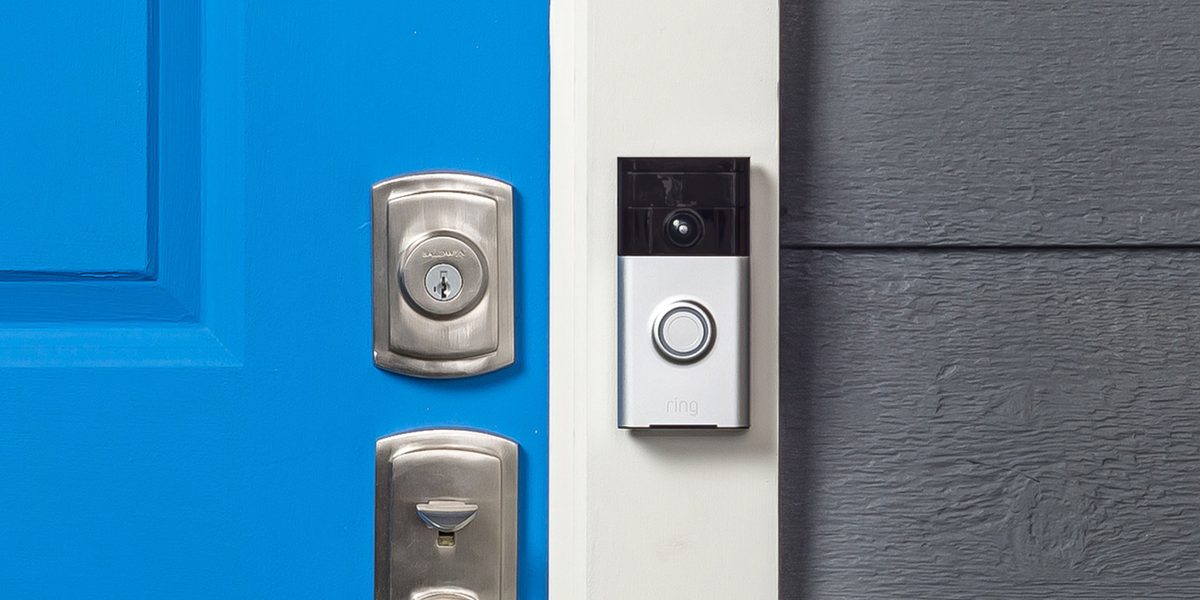
Home security used to be a package deal: a company installed the sensors, charged a monthly fee, and a monitoring center answered when the alarm tripped. Modern equipment broke that bundle apart. Cameras, doorbells, and sensor kits now happily send every alert straight to your phone with no contract at all, and the monthly monitoring fee — once mandatory — became optional. That option is the whole debate: is a professional monitoring center worth a perpetual subscription when your phone already tells you everything? The honest answer depends on what you think the alert is for, and on an unflattering question about your own availability.
What Professional Monitoring Actually Does
The subscription buys a simple, specific service: when a sensor trips, a staffed center is notified, attempts to verify — calling you, checking camera feeds where supported, listening through audio on some systems — and dispatches emergency services if the event looks real. The value is continuity: the center is awake during your red-eye flight, your silenced-phone meeting, your vacation in a dead zone, and it follows a protocol instead of a panic.
Monitoring tiers add layers: cellular backup that keeps the system reporting when internet or power fails, environmental monitoring for smoke and water leaks, and in some services camera-verified alarms that can receive higher-priority response in areas where police deprioritize unverified calls. Those add-ons matter more than the marquee burglar scenario — a monitored smoke or leak sensor protects against far more statistically common disasters than intrusion.
What Self-Monitoring Actually Delivers
Self-monitoring means your phone is the monitoring center. Every chime, motion event, and door sensor reports to you, and you decide what to do — check the feed, trigger the siren, call a neighbor, call emergency services yourself. When you are available, this works remarkably well: you have more context than any call center (you know the cleaner comes Tuesdays), verification takes seconds, and false alarms die quietly instead of triggering procedures.
The weakness is the flip side of the strength: the system's reliability equals your reachability. Alerts land during meetings, flights, movies, and sleep. Notification fatigue is real — a busy camera pointed at a sidewalk trains you to ignore the app within weeks. And in a genuine emergency, the self-monitored plan requires you, possibly groggy or abroad, to interpret events and summon help for an address you are not at, which some dispatch centers handle awkwardly from a non-resident caller.
The Honest Case for Paying
Professional monitoring earns its fee in the gaps of your attention, and certain lives have bigger gaps. Frequent travelers, heavy-meeting professionals, deep sleepers, and households in areas where response requires verified alarms all get real value from a center that never silences its phone. So do the people the alert is often actually for: an aging parent living alone, a household with a medical-alert pendant tied into the system, a property that sits empty seasonally.
The environmental coverage strengthens the case further. A water-leak sensor that pages a monitoring center while you are away for a weekend can be the difference between a mop job and a renovation; ditto smoke detection when nobody is home to hear the siren. If the subscription is framed not as burglar insurance but as an always-awake responder for fire, water, and intrusion combined, the monthly fee buys considerably more than the ads about broken windows suggest.
The Honest Case for Skipping It
For many households, the marginal value over self-monitoring is thinner than the industry implies. Most alarm activations are false — a pet, a forgotten code, a badly aimed motion zone — and the professional response to a false alarm is phone calls you could have received anyway, sometimes followed by fines where municipalities charge for unnecessary dispatches. A reachable homeowner with well-configured sensors and a couple of trusted neighbors often replicates most of the practical outcome for free.
The deterrence layer also does not require a subscription: visible cameras, signage, lights on timers, and a loud local siren deter opportunists whether or not anyone is monitoring, and the recorded footage that actually helps after an incident exists either way. If your goal is mostly awareness and evidence, the hardware delivers it; the subscription changes only who reacts, and only matters when you cannot.
Costs, Contracts, and the Fine Print
The pricing landscape splits into eras. Legacy providers still favor multi-year contracts bundling equipment financing into the monthly fee — read those terms hard, because early exit costs and auto-renewals live there. Modern systems sell the hardware outright with month-to-month monitoring you can toggle, which changes the risk of trying it to almost nothing. Between the eras, the same monitoring service can differ in price several-fold.
Fine print worth reading before any commitment:
- Cellular and battery backup — whether the system reports during outages, and at which tier.
- Camera storage — self-monitored setups often pay a separate cloud-video fee that quietly rivals monitoring costs; local storage avoids it.
- Permit requirements and false-alarm fees in your municipality, which apply mostly to dispatched alarms.
- Verification policy — how the center confirms an event, and what your local responders require before prioritizing.
- Insurance discounts — many insurers discount for monitored systems, offsetting part of the fee; ask yours for numbers, not assumptions.
The Hybrid and Seasonal Middle Paths
The month-to-month era enables strategies the contract era forbade. Some households run self-monitored by default and enable professional monitoring only for travel-heavy months and vacations — paying for the gap, not the year. Others monitor the environmental sensors year-round but handle intrusion alerts themselves. Multi-property owners often monitor the empty property and self-monitor the occupied one, matching the service to where attention is absent.
Whatever the configuration, the system's quality depends more on setup than on subscription: sensible motion zones that ignore the street, entry sensors on the doors actually used, a siren loud enough to matter, and two trusted local contacts in the plan. A poorly configured system with professional monitoring generates professionally handled false alarms; a well-configured one makes either monitoring mode look smart.
How to Decide in One Evening
Answer three questions honestly. First, how often are you genuinely unreachable — silenced, sleeping, flying, abroad? If the answer is regularly, the center earns its fee; if rarely, your phone is already the center. Second, what are you protecting against? Intrusion-only leans self-monitored with good hardware; fire, water, and a vulnerable resident lean professional. Third, what does your insurer and municipality reward or charge — a discount can shrink the effective fee, and false-alarm fines can grow it.
Then exploit the low-risk trial: run self-monitored for a month and count the alerts you missed or ignored, then run a month of monitoring where available and count what it caught that you would not have. Your own two months of data settle the argument better than any industry statistic.
Final Thoughts
Professional monitoring is not obsolete and self-monitoring is not reckless — they are different answers to the question of who reacts when the sensor trips. Pay the subscription if your life has real attention gaps, if fire and water coverage while away matters, or if someone vulnerable depends on the response. Keep the fee if you are reachable, diligent about setup, and mostly want awareness and evidence. Either way, buy flexible month-to-month service, configure the hardware carefully, and revisit the choice when life changes — the right answer for a road-warrior year is the wrong one for a work-from-home year, and the modern systems finally let you switch.