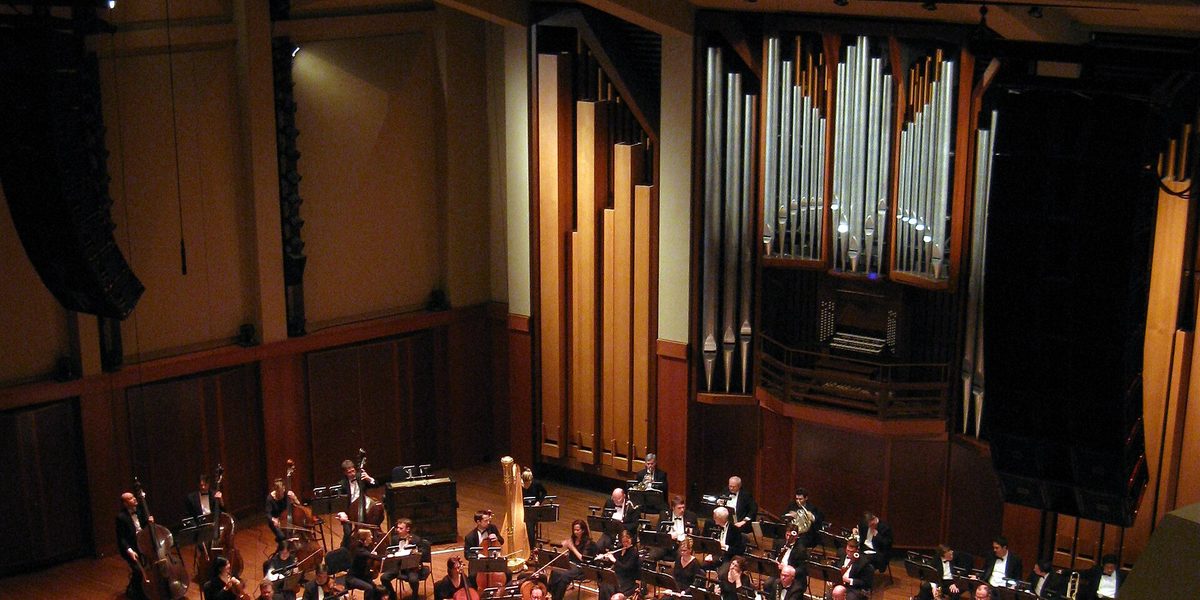
Symphonies, theater companies, ballets, and opera houses all sell the same flagship product: the season subscription. Commit to a package of productions up front and receive discounted pricing, the same good seats all year, first access to hot titles, and flexible exchange privileges. Arts organizations depend on subscribers the way gyms depend on January, and they market the package as the obvious choice for anyone who attends more than occasionally. The honest verdict is more interesting: the subscription is a genuinely strong product for a specific kind of attendee, a subtle trap for another, and the deciding factor is not how much you love the art — it is how you feel about someone else choosing your calendar.
The Real Economics of the Package
The advertised subscription discount against single-ticket prices is real but modest at most organizations. The larger financial forces hide elsewhere. In the subscription's favor: locked pricing before dynamic single-ticket rates inflate popular dates, waived per-ticket fees that quietly consume a surprising share of single purchases, and exchange privileges that let you move dates without repurchasing. Against it: the package includes the whole season, and every seat you occupy at a production you would never have chosen is money spent, not money saved. A five-show package used enthusiastically three times has a terrible effective per-show price no discount overcomes.
So the arithmetic reduces to one honest question: how many of this specific season's offerings would you have bought individually? Count from the announced season, not from your affection for the art form. If the answer approaches most of the package, subscribe without hesitation. If it is half, the mini-package or build-your-own tier — which most organizations now offer — is the mathematically correct product, and the full subscription is sentiment wearing a spreadsheet.
The Seat Advantage Is the Real Product
What subscribers actually buy, veterans will tell you, is not the discount — it is the seats. Renewing subscribers keep their locations year over year and climb the priority ladder as others lapse, which means the finest sightlines in the house are structurally unavailable to single-ticket buyers for the entire length of a subscriber's tenure. If you have ever wondered who sits in the perfect center rows at every performance, the answer is people who decided a decade ago to keep deciding. For anyone who attends a beloved company regularly and cares about where they sit, this compounding seat equity is the strongest argument on the menu, and it only accrues to those inside the system.
The corollary: a first-year subscription rarely starts in those seats. You enter where inventory allows and improve at renewal time. Judge the first season as an admission fee to the ladder rather than the ladder itself, and ask the box office directly about upgrade priority — subscription offices are refreshingly candid about how their queues work, and a phone call often lands a better starting location than the website offers.
The Curation Trade: Feature and Bug
A season package is a curated diet. You will attend the challenging contemporary piece, the unfamiliar composer, the risky new play — works you would never have clicked on — because the tickets are already yours. Long-time subscribers consistently name this forced serendipity as the thing that deepened their relationship with the art form: the shows they almost skipped became the ones they still talk about. That is a real cultural product, and single-ticket buying, which routes everyone toward the familiar blockbuster, cannot replicate it.
The same mechanism, viewed from a different household, is the trap. Subscription tickets to shows you feel obligated to attend convert leisure into homework; unused tickets convert it into guilt. The failure mode is well known in every subscription office: year one enthusiastic, year two selectively attended, year three lapsed with a vague sense of having wasted money. The predictor is not passion but temperament — planners who enjoy an anchored calendar thrive as subscribers, while spontaneous attenders and parents of young children, whose evenings are hostage to fortune, bleed value through every unused voucher. Exchange privileges soften this but require the administrative diligence to actually exchange, which is precisely what busy households lack.
Who Should Buy What
- Full subscription: attend the same company several times a year already, want compounding seat priority, and enjoy having a cultural calendar built for you.
- Mini-package or build-your-own: love the art but want veto power; this tier captures most discounts and fee waivers while dodging the obligation problem — the best default for most households.
- Single tickets plus patience: attend rarely, prize spontaneity, or are still sampling companies; watch for rush programs and day-of discounts that undercut every package.
- Young-audience and entry programs: under-forty and student subscription tiers, where offered, are routinely the best per-seat prices in the entire building and deserve first consideration for anyone eligible.
The Patronage Dimension, Priced Honestly
Arts subscriptions carry the same dual nature as museum memberships: part purchase, part patronage. Subscriber revenue arriving before the season begins is what lets companies plan ambitious programming at all, and lapsed subscriptions are felt in future seasons' caution. If a company's continued existence in your city matters to you, subscribing at partial usage is coherent support, not consumer error — but do it knowingly. The clean framing: compute what your realistic attendance would cost as single tickets, and treat the excess as a donation you chose. If that donation feels good, renew. If it feels like a bill for shows you dreaded, downgrade to the mini-package and give the difference deliberately, where it earns both gratitude and a tax letter.
Making a Subscription Actually Get Used
For households that do subscribe, a few practices separate the subscribers who feel rich from the ones who feel taxed. Put every date on the family calendar the day the tickets arrive, and treat the exchange window as a first-class tool rather than an emergency exit — moving a conflicting date the week the conflict appears costs nothing, while deciding on the night of the show costs the ticket. Pair the season with standing logistics: the same pre-show restaurant, the same parking arrangement, the same babysitter booked for all five dates in one message. Subscribers consistently report that the friction of arranging each evening, not the shows themselves, is what turns tickets into guilt. And bring someone different to the productions outside your taste — the contemporary program that bores you may be the night that hooks a friend, which converts your least-wanted ticket into the season's best gift. A subscription managed this way runs itself; one managed night-by-night manages you. The organizations know this too, which is why the best subscription offices now send reminder rhythms and exchange nudges — say yes to every one of them.
Final Thoughts
The season subscription is neither the automatic bargain the brochure promises nor the relic skeptics call it. It is a commitment instrument: it pays compounding dividends — seat equity, locked prices, forced serendipity, a richer relationship with an art form — precisely to people whose lives can honor the commitment, and it quietly taxes everyone else through unused tickets and obligated evenings. Count the announced season honestly, know your calendar temperament, start with the mini-package when in doubt, and let the box office's own flexible tiers do the compromising. Whether you end up a decades-deep subscriber in the perfect center seats or a cheerful single-ticket opportunist in whatever the rush line offers, the goal is the same — more nights where the lights go down and you are glad, specifically and personally, that you came.