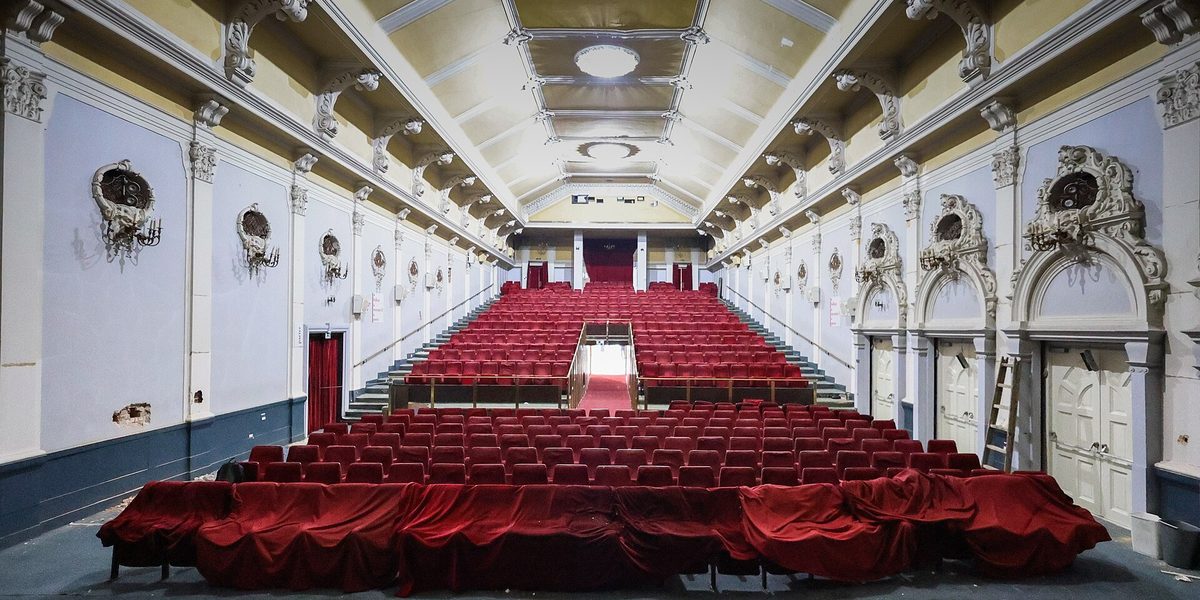
Movie theaters have discovered that comfort sells. Plush power recliners, reserved seating, waiter service at your armrest, and full food menus have transformed the humble multiplex ticket into a tiered hospitality product. The luxury seat costs more — sometimes substantially more once food enters the picture — and the question deserves a straight answer: is the premium seating experience actually better enough to justify what you pay for it? Having weighed the comfort, the food, the service interruptions, and the math, the verdict is a qualified yes for some outings and a firm no for others.
The Recliner Itself: Genuinely Better
Start with the part that almost always delivers: the seat. A powered recliner with a footrest, generous width, and a table beats a traditional cinema seat in every measurable way. Two hours in a recliner leaves your back and knees in noticeably better shape, and for taller viewers or anyone with joint issues, the difference is not a luxury at all — it is the difference between enjoying a film and enduring it. Reserved seating, which nearly always accompanies recliner auditoriums, also eliminates the worst part of the old moviegoing ritual: arriving forty minutes early to defend decent seats.
The catch is capacity. Recliners consume roughly twice the floor space of standard seats, so popular showings sell out earlier and the auditorium can feel oddly sparse. But as pure seating hardware, the upgrade is real. If the recliner surcharge is modest at your local theater — and at many it is now bundled into the standard price — this is one of the easiest yes verdicts in entertainment.
The Dine-In Layer: Where the Bill Grows
Dine-in service is a different product wearing the same recliner. Here you are paying not just for the seat but for a restaurant experience layered onto a film, and the economics shift sharply. Theater food menus price like captive-audience restaurants because that is what they are: entrees, cocktails, and desserts at a markup that would make a stadium blush. A casual movie night for two can quietly reach the cost of a proper dinner out plus a babysitter once the tray charges land.
The food itself tends to be competent but unremarkable — kitchen output engineered to survive a journey through dark hallways and be eaten off an armrest. You are not paying for cuisine; you are paying for the novelty of eating it during a movie. That novelty is genuinely fun a few times a year. As a habit, it is one of the most expensive ways to eat mediocre food in the dark.
The Interruption Problem
The dirty secret of dine-in theaters is that service and cinema are natural enemies. Waiters crossing your sightline, order tablets glowing two seats over, the clink of dishes during a quiet scene, and the mid-film arrival of a burger all pull you out of the movie. Well-run locations minimize this with pre-show ordering and discreet staff; poorly run ones turn the auditorium into a restaurant that happens to have a film playing.
This matters most for the kind of film you would pay premium prices to see. A tense drama or an intricate thriller suffers real damage from interruptions, while a light comedy or familiar franchise entry shrugs them off. The practical rule: dine-in works best for films you are watching socially, not films you are watching intently. If the movie is the point, order before the lights drop or skip the food service entirely.
Who Gets Real Value From the Upgrade
Premium seating rewards specific situations far more than others, and knowing yours is most of the decision.
- Date nights: strong value. Dinner and a movie collapse into one venue, the recliners are comfortable for two, and the evening feels like an occasion.
- Anyone with back, hip, or knee trouble: excellent value. The recliner is an accessibility feature dressed up as a luxury.
- Families with young children: mixed. The comfort helps, but menu prices multiplied by four sting, and kids rarely value the upgrade.
- Frequent solo moviegoers: poor value as a default. The surcharges compound into a serious annual sum for comfort you stop noticing.
- Serious film watchers: take the recliner, skip the dine-in service, and pick showings at quieter times.
Timing Tricks That Change the Math
Premium theaters discount more aggressively than they advertise. Weekday matinees at luxury locations often cost less than weekend evenings at standard ones, which means the entire comfort upgrade can be had for a negative surcharge if your schedule flexes. Many chains also run loyalty programs whose points accumulate fastest on food purchases — if you are going to pay dine-in prices anyway, the rebates take a real edge off. Early-week promotional pricing, discounted membership showings, and off-peak menus are all levers that turn a marginal value proposition into a good one.
The inverse is also true: opening weekend, prime evening slots, and holiday showings are where premium pricing peaks and crowd noise is worst. Paying the most to share a luxury room with its rowdiest crowd is the worst version of this product. Shift your premium visits off-peak and the same money buys a dramatically better experience.
Recliner-Only vs Full Dine-In: The Smart Split
The cleanest way to think about this market is to separate the two upgrades that marketing bundles together. The recliner-and-reserved-seat upgrade is cheap, durable, and improves every single visit — take it whenever the surcharge is small. The dine-in hospitality upgrade is expensive, situational, and improves only certain visits — reserve it for occasions. Theaters would prefer you treat the bundle as one product and pay for both every time; your wallet prefers you unbundle them mentally and buy each only when it earns its price.
It is also worth remembering that concession counters still exist inside most dine-in locations. Buying a standard popcorn on the way in and enjoying it from a luxury recliner captures most of the pleasure at a fraction of the tray-service price. Nothing about the premium seat obligates you to the premium menu.
Comparing Against Your Couch
The honest competitor to a luxury theater is not the standard theater — it is your living room. Home screens keep growing, streaming windows keep shrinking, and a night on your own sofa costs nearly nothing. What the dine-in theater sells against that backdrop is everything your couch cannot provide: a giant calibrated picture, sound with real authority, zero household interruptions, and the simple occasion of going out. That framing clarifies the buying decision considerably. If a given film is one you would happily half-watch at home with your phone in hand, no seat upgrade rescues it and no ticket is warranted at all. If it is a film worth full attention, the recliner theater is the best version of full attention money can buy, and the premium starts to look cheap next to what an equivalent night at a restaurant and a show would run. Buy the upgrade for films that deserve a room built for them.
Final Thoughts
Premium cinema seating splits cleanly into a bargain and a splurge. The recliner with reserved seating is the bargain: a modest surcharge for a large, repeatable comfort gain that benefits everyone, especially anyone whose body dislikes traditional theater seats. The dine-in experience is the splurge: a fun occasional format for dates and celebrations that becomes an expensive habit the moment it turns routine. Buy the seat freely, buy the service deliberately, aim your premium visits at off-peak showings, and you will get everything this format has to offer without funding the theater's margins on autopilot. The upgrade is worth it — just not every time, and rarely with the full menu.