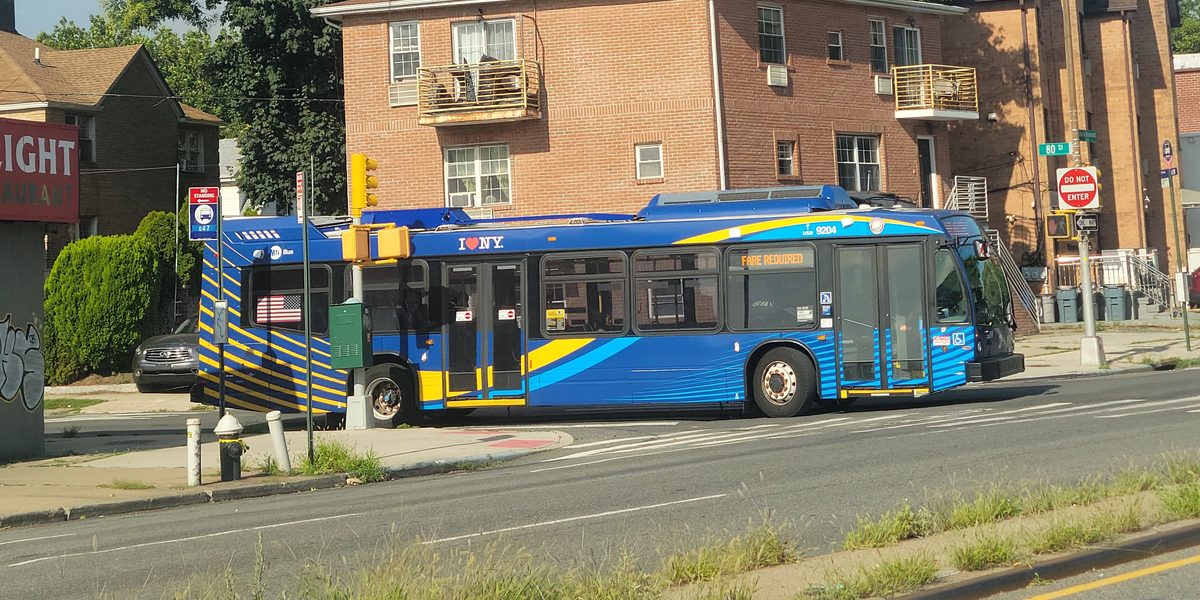
The transfer between the airport and your bed is the least glamorous purchase of any trip and one of the most frequently botched. Travelers who agonize for weeks over hotels will land exhausted in an unfamiliar city with no plan beyond “we'll figure it out,” then overpay a stranger at the curb. The options form a clean tier system — private car, rideshare and taxi, shared shuttle, and public transit — and each one is the right answer somewhere. This review grades all four honestly and gives a rubric for choosing before wheels touch down.
The Private Transfer: Paying for Certainty
The pre-booked private car is the top tier: a driver holding your name, flight tracking that absorbs delays, help with bags, a fixed price agreed in advance, and a vehicle sized to your group. What you are buying is not luxury but the removal of every decision from the worst hour of the trip — the hour when you are jet-lagged, possibly at midnight, possibly with children, in a place where you may not speak the language or know what a fair fare looks like.
The honest case against it is pure price: it is usually the most expensive option per ride, and on a smooth midday arrival in an easy city, you are paying certainty prices for a problem that did not exist. The honest case for it is that the price is fixed while the value floats — and the value peaks exactly when you need it most. Late arrivals, big groups with luggage, business trips with morning obligations, and travelers with mobility needs get their money's worth almost every time.
Rideshare and Taxi: The Flexible Middle
App-based rides and official taxis occupy the middle tier: no advance commitment, door-to-door service, and prices that undercut private transfers for small groups. Rideshare adds a crucial feature for foreign arrivals — the fare, route, and destination live in the app, which neutralizes the language barrier and most curbside pricing games. Official taxi ranks with regulated fares deliver a similar product; unofficial taxis approaching you inside terminals deliver the opposite one, and the universal rule is to decline them everywhere.
The tier's weaknesses are situational: surge pricing when a full flight bank lands, pickup zones exiled to far corners of huge airports, vehicles that fit four people or two big suitcases but not both, and queues at peak hours that erase the time saved. For one or two travelers with modest bags arriving at a civilized hour, this tier is usually the correct default — cheap enough, fast enough, and flexible when plans wobble.
Shared Shuttles: The Fading Compromise
The shared van sells a seat rather than a vehicle: cheaper than a private car, door-to-door unlike the train, and pre-bookable for the anxious. Once the workhorse of airport transfers, the tier has been squeezed hard from both sides — rideshares undercut its convenience, transit undercuts its price — and its structural flaw remains: your journey lasts as long as the last passenger's drop-off. A twenty-minute ride can become an hour's tour of other people's hotels, and you rarely learn your position in the route until you are in it.
The tier still earns its keep in specific niches: resort destinations where shuttles run constantly along one strip, solo travelers in cities where taxis are expensive and transit is poor, and airports where shared services hold dedicated pickup zones that skip the taxi queue entirely. Elsewhere, it is the compromise that satisfies neither goal, and the honest advice is to check whether one of its neighbors serves you better.
Public Transit: The Champion With Conditions
Where a real airport rail link exists, it is frequently the best product in the entire category, not merely the cheapest: immune to traffic, predictable to the minute, and often faster than any road option at rush hour. City after city, the express train delivers downtown arrivals while the private-car passengers sit on a ring road watching the meter of their fixed price lose its meaning. For solo travelers and couples with manageable luggage, transit is the seasoned choice, and the savings across a multi-city trip are substantial.
The conditions matter, though. Transit's price is paid in effort: stairs and transfers with suitcases, ticket machines in a foreign interface, and a final segment from the downtown station to your actual hotel that can require exactly the taxi you were avoiding. Late-night arrivals may miss the last train; dawn departures may precede the first one. Grade transit on the whole journey to your door, not just the express segment — it wins often, but not automatically.
Choosing by Situation, Not Ideology
- Landing after dark in an unfamiliar city: private transfer or official taxi — pay for certainty when judgment is at its weakest.
- Family of four-plus with luggage: private transfer; per-person math turns the top tier into the cheap one.
- Solo or couple, light bags, daytime arrival: rail link if one exists, rideshare otherwise.
- Tight morning departure: whatever is most punctual in that city — usually the train where traffic is bad, a pre-booked car where it is not.
- Resort strip destination: the shared shuttle's last stronghold, or the hotel's own service.
- Any city, any hour: never the unofficial taxi tout inside the terminal.
Hotel Shuttles and the Return Journey
Two corners of the category get overlooked. The hotel's own shuttle, where it exists, is frequently the best product nobody books: free or cheap, driven by someone who knows exactly where your bed is, and immune to the taxi queue. It costs one email to ask about before you fly, and at airport hotels it should be your default assumption rather than a discovery made after paying for a car. The catch is frequency — a shuttle on the hour helps nobody whose flight lands at five past — so confirm the schedule, not just the existence.
The return journey deserves separate judgment, because the risk profile flips. Arriving late costs you comfort; departing late costs you the flight. That asymmetry justifies a tier upgrade on the way out: the pre-booked car or the traffic-proof train earns its premium most on the morning you absolutely cannot be late, while the flexible cheap options are better saved for arrivals, when the worst case is merely a longer day.
The Ten-Minute Homework That Beats Every Tier
The single highest-value act in this category costs nothing: before departure, spend ten minutes learning your arrival airport's actual options — whether a rail link exists and its hours, roughly what an official taxi to your neighborhood costs, where rideshare pickups hide, and whether your hotel runs a shuttle. Save the hotel address in the local language on your phone. Decide your plan and a backup while you are rested. Every tier performs better when chosen in advance, and every tier performs worst when chosen at a chaotic curb by the most tired version of you.
Final Thoughts
Airport transfers are a category where the right answer changes with the trip, and the expensive mistake is loyalty to one tier. The private car is worth every penny in the hard cases and a mild extravagance in the easy ones; rideshare is the everyday default for small parties; the shared shuttle survives only in its niches; and the airport train, where it exists, is the quiet champion that frequent travelers check for first. Do the ten minutes of homework, match the tier to the arrival rather than to your self-image, and the least glamorous purchase of the trip will finally stop being the most regretted one.