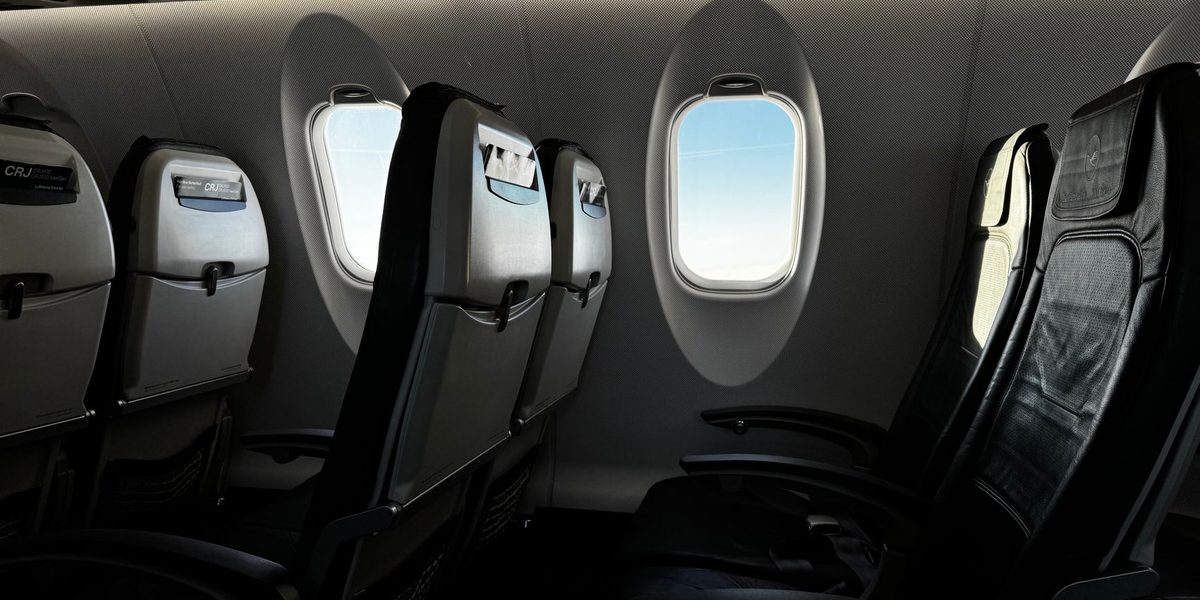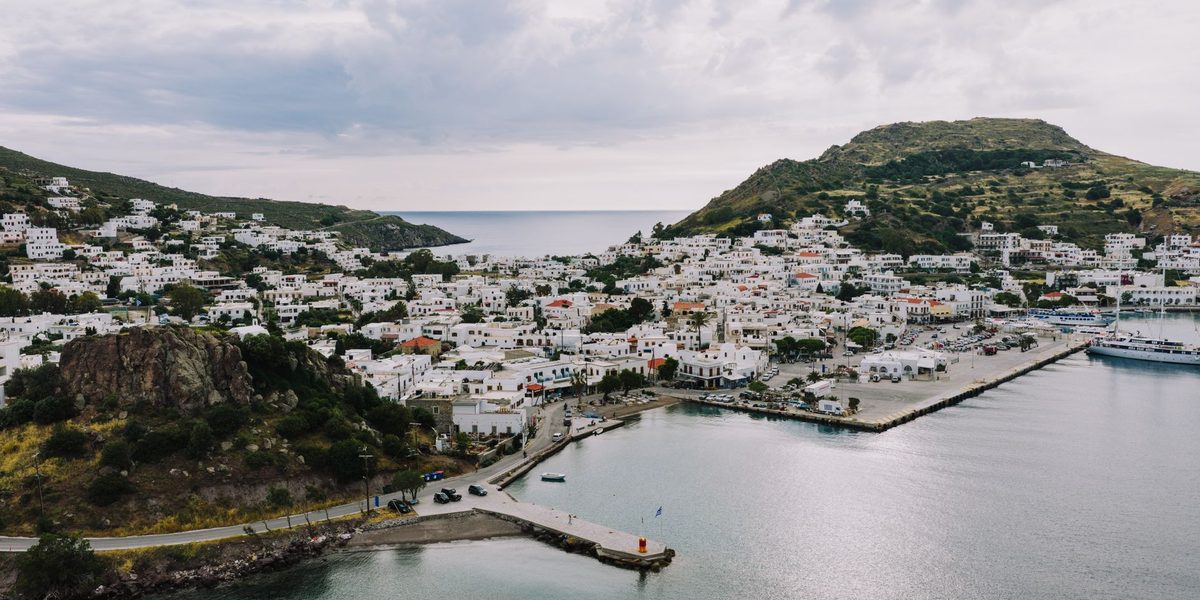
Calling both vessels cruise ships is a triumph of branding over accuracy. One is a floating boutique hotel carrying a few hundred passengers into harbors the big ships cannot enter; the other is a resort city with a waterpark, a dozen restaurants, and a population larger than the towns it visits. They share an industry, a booking process, and almost nothing else. This review compares the two honestly across the dimensions that decide a trip — ports, crowds, dining, entertainment, motion, and money — and ends with a clear read on which traveler belongs on which gangway.
Ports: Where Size Decides Everything
The small ship's defining advantage is geographic: shallow drafts and modest length open harbors, islands, and river mouths that mega-ships physically cannot approach. Small vessels tie up at the town quay and you walk into the morning market; mega-ships anchor offshore and tender passengers in by the boatload, or dock at industrial piers a shuttle ride from anything. Itineraries tell the story — small ships visit places, large ships visit ports built to receive large ships.
Time ashore compounds the difference. Disembarking a few hundred passengers takes minutes; disembarking several thousand takes long enough that your day in port shrinks at both ends. And when a mega-ship empties into a small town, the town you came to see temporarily becomes a crowd of the people you came with. Travelers who cruise for destinations should weight this section above every other; it is the category's least fixable gap.
Crowds, Lines, and the Texture of the Day
Aboard, the difference is felt as texture. Small ships have no lines to speak of — no queue for dinner, tender tickets, or a deck chair — and by day three the crew greets you by name. Mega-ships are logistics marvels, but even brilliant design cannot delete the arithmetic of thousands of people wanting the same pool at the same hour; life aboard involves reservations, apps, and strategic timing. Some passengers find the bustle energizing, a city's worth of options and anonymity; others find it exhausting in exactly the way they took a vacation to escape.
Anonymity cuts both ways, honestly. On a small ship you will know your fellow passengers by the end, which is either the trip's greatest pleasure or its inescapable flaw depending on the passengers and on you. The mega-ship lets you disappear; the small ship does not offer that option.
Dining and Entertainment: The Big Ship's Home Game
Here the giants win, and it is not close. A mega-ship carries a dozen or more dining venues, production shows with real staging, waterslides, climbing walls, ice rinks, casinos, and children's programming that runs from breakfast to bedtime. It is a resort that happens to float, and judged as a resort it is often excellent. A small ship offers one or two dining rooms — frequently cooking at a higher standard than any single big-ship venue — a lounge with a pianist or a naturalist's lecture, and the sea.
The choice is really about where the trip's content lives. If the ship is the destination — and for family cruising it very often is, legitimately — variety and spectacle are the product, and the mega-ship delivers them at a price small ships cannot approach. If the ship is transportation with excellent room service, the small vessel's quieter evenings are not a deficiency; they are the point.
Motion, Comfort, and the Sea Itself
Physics votes for the big ship. Mass and modern stabilizers make mega-ships remarkably steady; many passengers forget they are at sea, which is precisely what some of them paid for. Small ships move — gently in sheltered waters, noticeably in open ocean — and motion-sensitive travelers should choose itineraries accordingly: protected coastal and island routes on small vessels, open crossings on large ones.
The counterweight is intimacy with the water. On a small ship the sea is present — you watch wildlife from a deck a few meters above the waterline, and the ship adjusts course because something worth seeing surfaced. On the mega-ship, the ocean is scenery behind glass, somewhere below the fifteenth deck. Neither relationship with the sea is wrong, but they are different purchases.
The Money, Honestly
Per night, mega-ships are among the best-value vacations ever engineered: economies of scale deliver lodging, food, and entertainment at prices no land resort matches, with interior cabins as the entry point. Small ships cost multiples of that, and the premium is real even after adjusting for what is bundled — many small vessels include excursions, drinks, or gratuities that big ships sell separately. The add-back math narrows the gap without closing it.
- Choose the mega-ship for: families, multigenerational groups, first cruises, entertainment-driven travelers, tight budgets, and anyone who wants the resort experience with a changing view.
- Choose the small ship for: destination-driven itineraries, wildlife and expedition routes, travelers allergic to crowds, couples who want quiet, and ports the big ships cannot reach.
- Either works for: scenery-heavy routes served by both — where cabin category, itinerary details, and budget should break the tie.
Service and the Crew Ratio
Passenger counts hide a second number that shapes the trip: crew per guest. Small ships run rich ratios, and the effect is not luxury theater but memory — the bartender who knows your order, the expedition guide who saves you a seat on the early boat because you mentioned wanting the light for photographs. Service becomes a relationship rather than a transaction, and for many small-ship loyalists this, more than the harbors, is what the premium actually buys.
Mega-ships deliver service as a system: efficient, scripted, and impressively consistent given the volume, but structurally anonymous below the suite tiers. The exception proves the rule — the big lines sell their way around the arithmetic through ship-within-a-ship enclaves, where suite guests buy back the small-ship ratio at small-ship prices. If personal service ranks high on your list and the budget is fixed, a standard cabin on a small vessel generally beats a mid-tier cabin on a giant, while the giant's suite enclave beats both at a cost that removes the price advantage entirely.
The Middle of the Market
Between the extremes sails a middle class of vessels — big enough for multiple restaurants and a theater, small enough to skip the waterslides and reach mid-sized harbors. For many travelers this tier is the honest answer: most of the small ship's calm, much of the big ship's comfort, at prices between the two. It is also where lines experiment with adult-focused ships and longer port stays. Shoppers who feel torn between the camps should price this middle before committing to either extreme, because the industry built it for exactly that hesitation.
Final Thoughts
Small-ship and mega-ship cruising are not rungs on one ladder; they are different vacations that happen to share an ocean. The giant delivers spectacular value, family infrastructure, and steady decks, at the cost of crowds and ports chosen for capacity rather than charm. The small vessel delivers place, quiet, and the sea itself, at a price that demands the destination genuinely matter to you. Decide whether the ship is your resort or your ride, be honest about your tolerance for both crowds and company, and book the hull that matches. The wrong choice is not a bad ship — it is the right ship for somebody else.