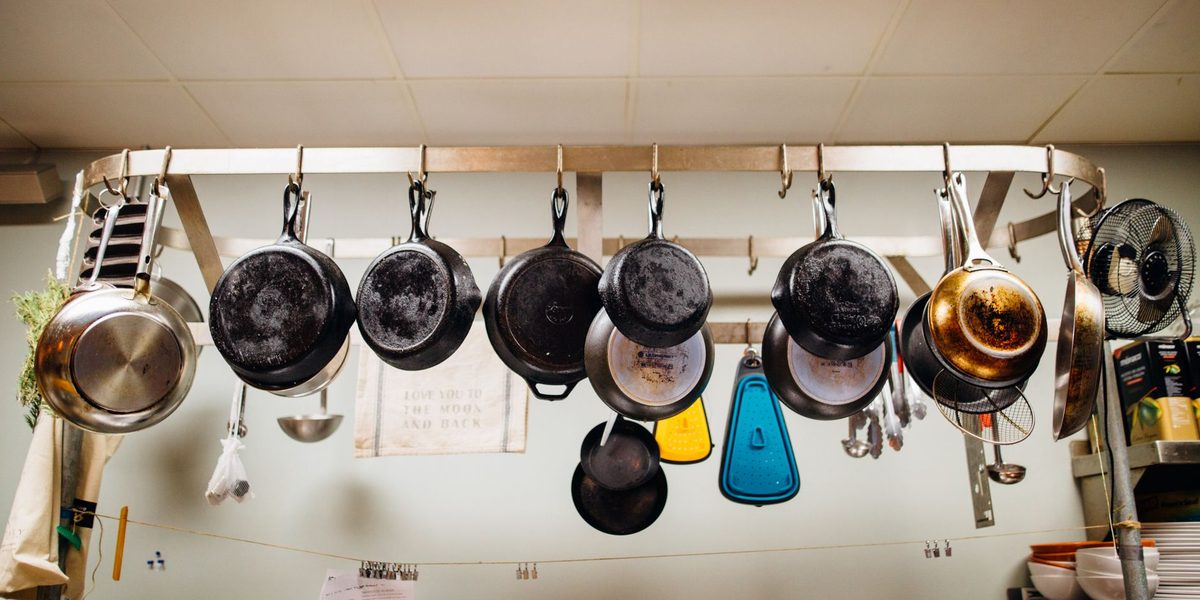
Walk into any kitchen that has been cooking for twenty years and you can read the history of its cookware choices in the cabinet. Some pans look better than the day they arrived; others have been replaced three times and are due again. Cookware is one of the clearest cases where materials — not marketing — determine how ownership actually feels over a decade. This review follows the major cookware materials through years of real use: what degrades, what maintenance each demands, and which ones quietly become the cheapest pans you will ever own.
Nonstick: The Sprinter That Cannot Run a Marathon
Nonstick coatings are the honest disappointment of the cookware world. They perform brilliantly at first — eggs glide, cleanup takes seconds — and then decline on a schedule that no care routine can fully prevent. The coating is a thin engineered layer, and every metal utensil scrape, every blast of high heat, and every trip through the dishwasher shortens its life. Even babied pans lose their release properties as the surface micro-wears, typically within a few years of regular cooking.
The long-term ownership verdict is not that nonstick is bad, but that it is consumable. Treat it like tires, not like furniture. Buy mid-priced rather than premium, since the coating fails on a similar timeline regardless of what the handle costs, reserve it for eggs and delicate fish, and expect to replace it. Once food starts sticking to the center or the coating shows scratches down to metal, its useful life is over — no repair exists.
Stainless Steel: Boring, Immortal, and Cheap Per Year
Fully clad stainless steel is the material most likely to outlive your interest in cooking. The surface cannot flake, high heat does not destroy it, metal utensils are welcome, and the dishwasher is merely inadvisable rather than fatal. After a decade, a good stainless pan shows rainbow heat tint and fine scratches — cosmetic changes that affect nothing.
The things that do fail are peripheral: riveted handles can loosen (usually tightenable), and thin-bottomed budget pans can warp on high heat, which matters on flat cooktops. Discoloration and stuck-on food respond to a paste of oxide-based cleaner and a few minutes of scrubbing, restoring a shockingly new appearance. Amortized over its lifespan, a quality stainless set is among the cheapest kitchen equipment you can own — the purchase price divided by twenty-plus years of service embarrasses every other option except raw cast iron.
Cast Iron: The Pan That Ages in Reverse
Cast iron is the rare product that genuinely improves with use. Every properly cleaned and oiled cooking session builds seasoning — a bonded layer of polymerized oil that makes the surface darker, smoother, and more release-friendly over the years. Neglect is recoverable in a way no other cookware offers: a rusty, crusted flea-market skillet can be stripped, re-seasoned, and returned to full service, which is why skillets routinely outlive their original owners.
The ownership costs are physical rather than financial. Cast iron is heavy, slow to heat, and demands a small ritual: dry it after washing, wipe it with a whisper of oil, and avoid soaking. Skip the ritual and you get surface rust — annoying but fixable. Crack one by shocking it with cold water while screaming hot, and that is the only true death a skillet knows.
Carbon Steel and Enameled Cast Iron: The Middle Paths
Carbon steel behaves like cast iron's athletic sibling: lighter, faster to heat, and seasoned the same way, with the same near-unlimited lifespan and the same maintenance ritual. It develops a mottled, blackened patina that unsettles new owners and delights experienced ones. Long-term, its weak points are warping from aggressive preheating on thin pans and rust from wet storage — both avoidable.
Enameled cast iron trades seasoning for a glass coating, which means no rust and no ritual, but also a genuine failure mode: chipping. Dropped lids, metal utensils, and thermal shock can crack the enamel, and a chip on the cooking surface effectively ends the pot's life for anything acidic or wet. Handled with reasonable care, though, an enameled pot lasts decades, and the interior staining it accumulates is cosmetic. The premium brands mostly buy thicker enamel and better warranties — worth it if the pot will see daily duty.
Between these two middle paths, the deciding factor is honesty about your own habits. If you enjoy the small ceremony of caring for a pan and want something that improves the more you cook, carbon steel rewards you for decades. If your household includes enthusiastic dishwashers, borrowed pots, and utensils grabbed without looking, enameled cast iron forgives more of daily life — right up until the day someone drops the lid.
The Maintenance Ledger, Honestly Kept
Every material asks something of you. What matters over a decade is whether the demand is a habit or a chore.
- Nonstick: low effort, but total replacement every few years. The maintenance is really a repurchase schedule.
- Stainless: occasional scrubbing sessions and a refusal to panic about discoloration. Effectively zero long-term cost.
- Cast iron and carbon steel: thirty seconds of drying and oiling after each use. High ritual, near-zero money, infinite lifespan.
- Enameled: gentle utensils and no drops. Care is about avoidance rather than upkeep.
The pattern is clear: the materials that demand a little routine attention reward you with decades, while the material that demands nothing quietly bills you every few years.
When Replacing Beats Repairing
Cookware rarely offers repair in the formal sense, so the real question is when a pan has crossed from usable to done. Warped bases that spin on a flat cooktop are effectively unfixable and ruin heat contact. Nonstick that sticks is finished. Enamel chipped on the interior floor is finished. Loose handles, surface rust, stains, stuck-on carbon, and dull seasoning are all recoverable and should never trigger a replacement. A useful rule: if the failure is on the cooking surface and cannot be scrubbed or re-seasoned away, replace; if the failure is anywhere else, fix or ignore it.
It is also worth resisting the upgrade itch that marketing works hard to create. A scratched stainless pan or a darkened skillet is not obsolete; it is broken in. Most of the performance gap between an old quality pan and a new one is imaginary, and the exceptions — warped bases, dead coatings — announce themselves clearly. Replace on function, never on appearance, and your cookware budget shrinks to almost nothing after the initial buy-in.
Building a Kitchen That Ages Well
The decade-tested kitchen usually converges on the same small fleet: one or two stainless pans and pots for everyday work, one cast iron or carbon steel skillet for searing and longevity, one enameled pot for braises and soups, and a single modest nonstick pan on a replacement schedule for eggs. That combination covers essentially all home cooking, ages gracefully, and concentrates your spending where durability actually pays. Buying a matched twelve-piece set of any single material does the opposite — it guarantees some pieces are the wrong tool and multiplies whatever weakness that material has.
Final Thoughts
Over ten years, cookware sorts itself into two categories: pans you replace and pans you keep. Nonstick belongs to the first category by design, and pretending otherwise just leads to disappointment and scratched coatings. Stainless, cast iron, carbon steel, and enameled ware belong to the second, provided you give them the small routines they ask for. Spend accordingly — modestly on the consumables, confidently on the keepers — and the kitchen you assemble in one afternoon can still be cooking well when the decade turns twice.