Small kitchen appliances occupy a strange corner of ownership: cheap enough to replace without agonizing, useful enough to miss immediately, and built along a spectrum that runs from genuinely serviceable machines to sealed plastic with a countdown inside. A blender, mixer, kettle, or toaster rarely dies of its motor or its heating element — the components everyone assumes are the heart of the matter. Instead, these machines shed the same small parts in the same order, year after year, and the owners who know the order keep their counters running for a fraction of what the replace-it-annually crowd spends. This review maps the aging of the countertop fleet: what fails first, what that reveals about build quality, the care that adds years, and where the repair-or-replace line honestly sits.
Blenders: The Coupler Confesses First
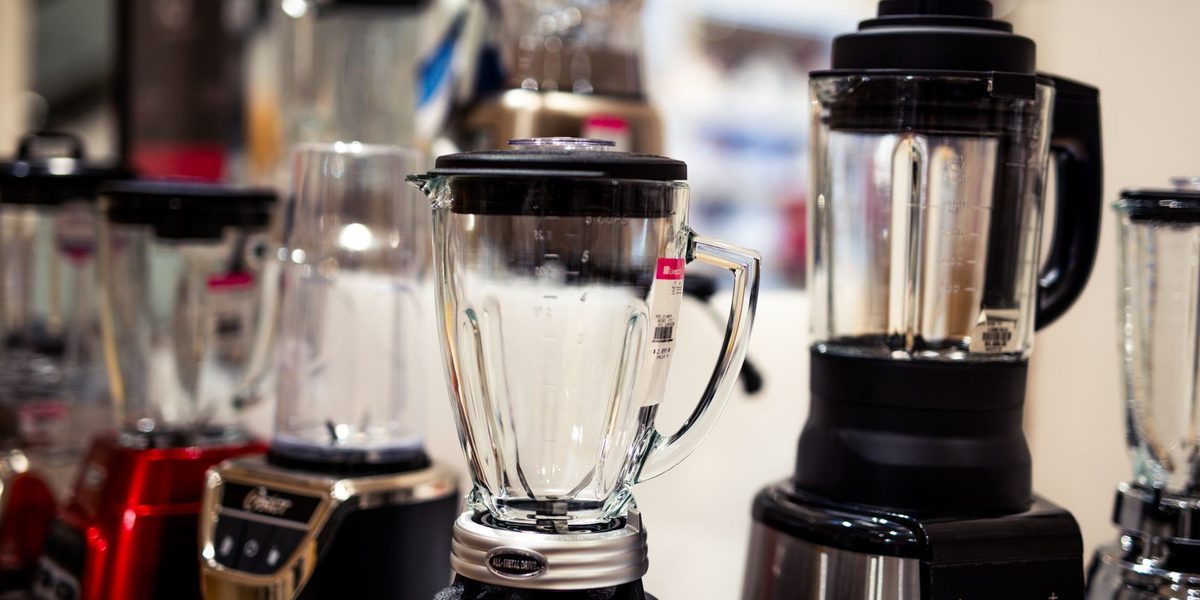
Blenders concentrate enormous stress into a few cheap parts, and the design is more honest than it looks. The drive coupler — the rubber or nylon piece connecting motor to blade — is deliberately the weakest link, engineered to strip before a jammed blade can burn the motor. Couplers wearing smooth or shedding black dust is normal aging, and on most full-size blenders they cost little and screw off with basic tools. Below the jar, the blade assembly's bearings grow rough and leak, and the gasket sealing the jar hardens, weeps, and eventually lets liquid migrate toward the drive — the failure that, ignored, actually does kill motors.
The motor itself, on any reasonably built machine, outlasts years of smoothies. What shortens its life is heat: overfilled jars, thick blends run past the machine's duty cycle, and vents clogged with flour and grime. The ownership rules write themselves — pulse thick loads, stop when the housing gets hot, replace gaskets at the first weep, and keep a spare coupler in the drawer the way cyclists keep spare tubes.
Jars age visibly alongside the mechanism. Plastic jars craze into a fog of micro-scratches from ice and dishwasher cycles, and cracked handles and chipped rims follow; glass jars stay clear but chip at the threads. On serviceable machines, jars, lids, and blade assemblies are all catalog items, and a tired blender is often two inexpensive parts away from feeling new — a fact worth checking before the whole unit rides to the curb.
Mixers, Processors, and the Gearbox Question
Stand mixers and food processors add gears to the story, and gears split the market cleanly. Metal gear trains in well-built mixers run for decades, asking only fresh grease at long intervals; their sacrificial parts are, again, deliberate — many mixers hide a designed-to-fail gear that strips under overload and costs little to replace. Plastic gear trains in budget machines are quieter and cheaper and wear into slippage within a few years of bread dough, with no economical repair. Food processors distribute their aging elsewhere: bowl lugs and lid latches crack (the interlock that lets the machine run takes the abuse of every assembly), spindles wear where the blade seats, and the bowls themselves craze and crack from dishwasher heat and age.
The purchase-day lesson is to ask a single question: does the maker sell the gears, couplers, bowls, and latches as parts? A yes predicts the machine's second decade better than any wattage number on the box.
Kettles, Toasters, and the Quiet Electricals
The heating-element appliances age by scale, crumbs, and switches. Electric kettles fail first at the lid hinge, the fill gauge, and the limescale that blankets the element; regular descaling with citric acid or vinegar restores efficiency and prevents the boil-dry cycling that ages the thermostat. Toasters die of crumbs shorting and igniting against elements, of levers and springs gumming with grease, and of the timer or latch electronics quitting — rarely of the elements themselves. Coffee makers of the drip variety follow the kettle's script: scale chokes the heating tube long before anything electrical fails, and a seasonal descale is most of their maintenance story.
Across all of them, the humble switch, thermostat, and cord-entry point are the true mortality table. These parts cycle thousands of times, and on sealed machines their failure is terminal by design — not because repair is impossible, but because the housing was never meant to open.
Cords and their strain reliefs deserve a paragraph of their own, since they fail on every appliance equally. The flex point where cord meets housing frays internally from years of tugging and tight wrapping, showing up as an appliance that works only when the cord sits just so — a symptom owners chase for months. On machines that open, a cord replacement is among the simplest electrical repairs there is; on sealed ones, it is the most common trivial fault that ends a machine's life.
The Care Routine for the Whole Counter
The countertop fleet shares one maintenance philosophy: remove what the machine cannot remove itself.
- Descale anything that heats water, on a schedule set by your water hardness — monthly in hard-water homes, seasonally in soft.
- Empty the toaster's crumb tray and shake it out over the sink; crumbs are fuel stored next to an ignition source.
- Wash blender jars promptly and gaskets separately; blend warm soapy water for thirty seconds as a first pass, but pull the gasket regularly so residue cannot rot beneath it.
- Keep vents clear on anything with a motor, and wipe flour dust off mixers before it works into the head.
- Respect duty cycles — the rest period the manual specifies between heavy batches is the difference between a warm motor and a cooked one.
- Store dry with cords loose; tight cord-wrapping at the strain relief is how appliances fray themselves at the plug end.
Ten minutes a month across the whole counter covers all of it, and it addresses nearly every early death these machines die.
Repair or Replace on a Cheap Machine
Low prices distort the repair math, but less than it seems. Gaskets, couplers, blade assemblies, carafes, and bowls are consumables — replacing them is maintenance, not repair, and always worth it on a machine whose motor runs strong. The genuine repairs — switches, thermostats, gearboxes — divide by build class: on a heavy, serviceable machine with a parts catalog, they are afternoon jobs that extend life by years; on a sealed budget appliance, the labor to open the case exceeds the machine's value, and replacement wins honestly. The trap to avoid is the middle path of replacing a serviceable machine because a consumable failed — discarding a healthy blender over a worn coupler is the countertop equivalent of scrapping a car for its wiper blades.
When replacement is the answer, buy the lesson: fewer, better machines with available parts beat a drawer of single-task gadgets, and the heaviest version of any appliance is usually the one built around a motor meant to last.
Final Thoughts
Small appliances age from the outside in: gaskets, couplers, latches, and switches long before motors and elements. The sealed budget machine and the serviceable workhorse cost surprisingly similar amounts per year only if the workhorse is neglected — maintained, it runs for a decade or two while the sealed machine cycles through the landfill every few years. Descale what heats, de-crumb what toasts, re-gasket what blends, and reserve your replacement budget for machines that were actually built to be replaced. The counter stays full, the spending stays flat, and the motor you almost threw away keeps proving it was never the problem.