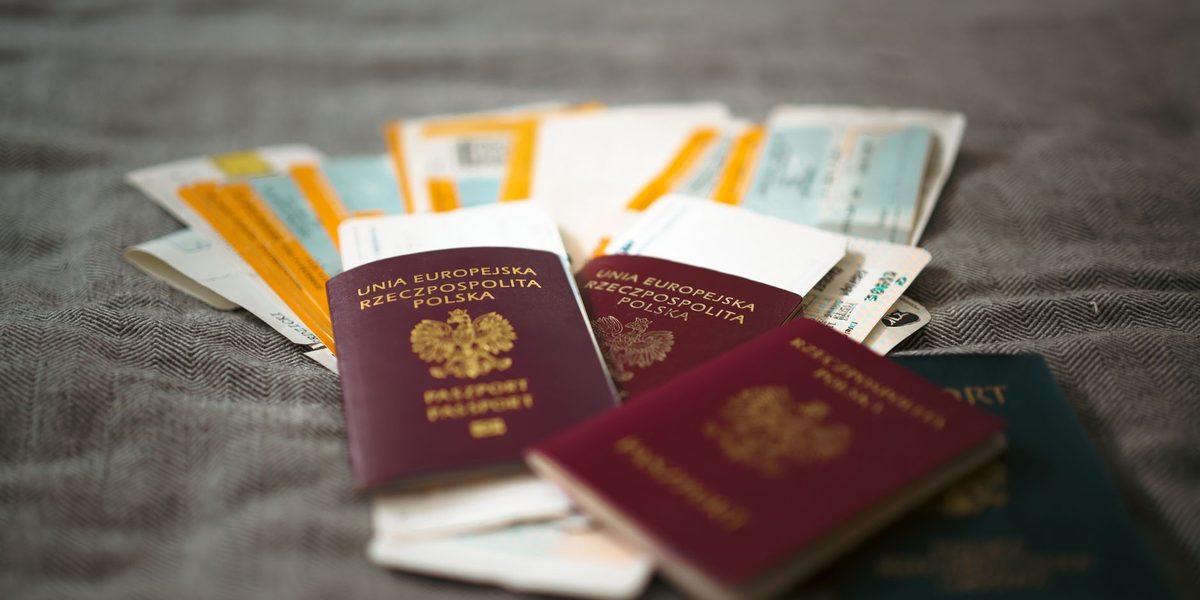
Every airport sells the same scarce commodity in different wrappers: the right to skip a line. Fast-track security lanes, trusted-traveler screening programs, expedited immigration schemes, and full meet-and-greet escorts form a tier system of queue avoidance, priced from pocket change to a car payment. The category is unusual among travel upgrades because its value is almost purely mathematical — minutes saved times how much those minutes mattered — and yet it is sold almost purely on emotion. This review prices the emotion out and grades each tier on what it actually delivers.
The Tier System of Skipping Lines
At the bottom sits the single-use fast-track pass: a modest fee for one trip through a shorter security lane, sold by airports directly and bundled into some tickets and cards. Above it sit the trusted-traveler screening programs — background-checked memberships that grant smoother security or immigration processing for years at a time. Alongside them, some airports and carriers sell timed security slots at no charge, a free tier the anxious rarely discover. At the top sits the meet-and-greet or VIP service: a staff escort from curb through every checkpoint, sometimes with a private lounge and a buggy, priced like a luxury because it is one.
Each tier sells the same minutes; what changes is reliability, scope, and how much hand-holding accompanies them.
Single-Use Fast Track: The Honest Coin Flip
The pay-per-use lane is the easiest tier to evaluate and the hardest to predict. On a bad morning at a congested airport, it converts a forty-minute crawl into a five-minute stroll and is the best money on the trip. On a quiet afternoon, it walks you past nobody, and the regular lane's ten minutes made the fee a donation. The product's value is exactly the queue it bypasses, and queues vary by hour, season, and terminal.
Buy it, therefore, with information rather than anxiety: airports increasingly publish live or typical wait times, and peak banks — early morning, holiday weekends, school breaks — are when the lane earns its price. Buy it always when the stakes are asymmetric: a tight connection, a can't-miss event, a family whose security process resembles a house move. Skip it when you are early, the airport is small, or the fast lane, as at some airports, visibly feeds into the same scanner bottleneck.
Trusted-Traveler Programs: The Frequent Flyer's Bargain
The membership tier changes the math from per-trip to per-year. Programs that pre-vet travelers and route them through smoother screening or automated immigration deliver their value in aggregate: a few minutes and a little dignity saved on every single trip, multiplied by your travel frequency, for a fee that amortizes to trivial per-journey costs for anyone flying regularly. For frequent flyers, this tier is the category's clear best buy, and the common advice among them — apply before you need it, since processing takes time — is correct.
The honest caveats: application friction is real, benefits vary by airport and can be diluted when the expedited lanes themselves grow crowded, and occasional travelers may save more money buying two single-use passes a year than maintaining a membership. As with lounge access, frequency is the entire argument; compute yours before enrolling.
Meet-and-Greet: Concierge Prices for Concierge Problems
The escort tier bundles everything — curb greeting, porters, fast-tracked security and immigration, lounge waits, and delivery to the gate or the arrival car. Priced per person or per family at rates that dwarf every other tier, it is routinely dismissed as vanity, and for a healthy adult with a boarding pass it mostly is. But the tier exists because some journeys are genuinely hard: elderly parents flying alone, travelers with cognitive or mobility challenges beyond what standard assistance covers, unaccompanied connections at vast unfamiliar hubs, families moving abroad with a mountain of luggage and a cat.
Judged as a solution to those problems, the price compares favorably to the alternative — a missed flight, a panicked phone call from a terminal, a day lost to chaos. Judged as a routine indulgence, it fails every value test. The honest verdict: a specialist product, excellent at its actual job, oversold to people who do not have that job. Note also that free or low-cost airline and airport special-assistance services cover much of the mobility use case; check what exists before paying concierge rates for it.
The Free Tier Nobody Uses
Scattered across the category are no-cost options that replicate paid benefits: bookable security time slots at a growing number of airports, off-peak flight timing that makes every lane fast, online check-in plus carry-on discipline that deletes the bag-drop queue entirely, and automated passport gates that outrun the paid immigration escort. The cheapest fast track ever devised remains arriving at the airport during the lull between departure banks. None of this is glamorous, all of it works, and the traveler who exploits the free tier buys the paid tiers only when they add something the calendar could not.
Arrival-Side Services: The Overlooked Half
Most queue-skipping money is spent on departures, but the longest lines of many trips form on arrival: immigration halls after several wide-body jets land together, customs channels at peak season, taxi queues at midnight. The arrival-side tiers mirror the departure ones — automated passport gates and trusted-traveler immigration programs at the membership level, paid arrival fast-track at a growing list of international airports, and meet-on-arrival escorts who walk you from the jet bridge to the curb. Because arrival queues are both longer and less predictable than security lines, the paid options here often deliver more saved minutes per unit of money than their departure-side siblings.
The evaluation rules carry over unchanged. Membership programs win on frequency; single-use arrival fast-track wins on known-bad airports and tight onward connections; the escort tier wins for travelers who would find a chaotic arrival hall genuinely difficult. And the free tier is again underused: seat selection near the front of the aircraft, a briskly walked jet bridge, and completed arrival paperwork routinely beat half the paid products, because immigration queues are first-come lines and the first hundred meters decide your place in them.
When Each Tier Earns Its Price
- Single-use fast track: peak-hour departures, tight connections, big-event days, travel with young children, and any airport currently famous for its queues.
- Trusted-traveler memberships: anyone flying more than a handful of times a year; the per-trip cost collapses and the consistency compounds.
- Meet-and-greet: travelers with genuine assistance needs, high-stakes tight itineraries, and hub transfers that would otherwise be frightening for the person making them.
- The free tier: everyone, always, first — before a single fee is considered.
Final Thoughts
Queue-skipping is the purest value proposition in travel: minutes for money, with the minutes worth wildly different amounts depending on the day. The membership programs are the standout buy for frequent flyers, the single-use pass is a sharp situational tool for everyone else, and the escort tier is a genuine service wearing a luxury costume — buy it for the problems it actually solves. Before paying anyone, though, spend the free tier: fly off-peak, check in online, book the free slot, and walk past the queue that better planning already dissolved. The best line at the airport is the one you never joined. And if you find yourself paying for the same skip at the same airport twice a year, take the hint and price the membership — the category's whole design rewards the traveler who notices their own pattern before the third purchase.