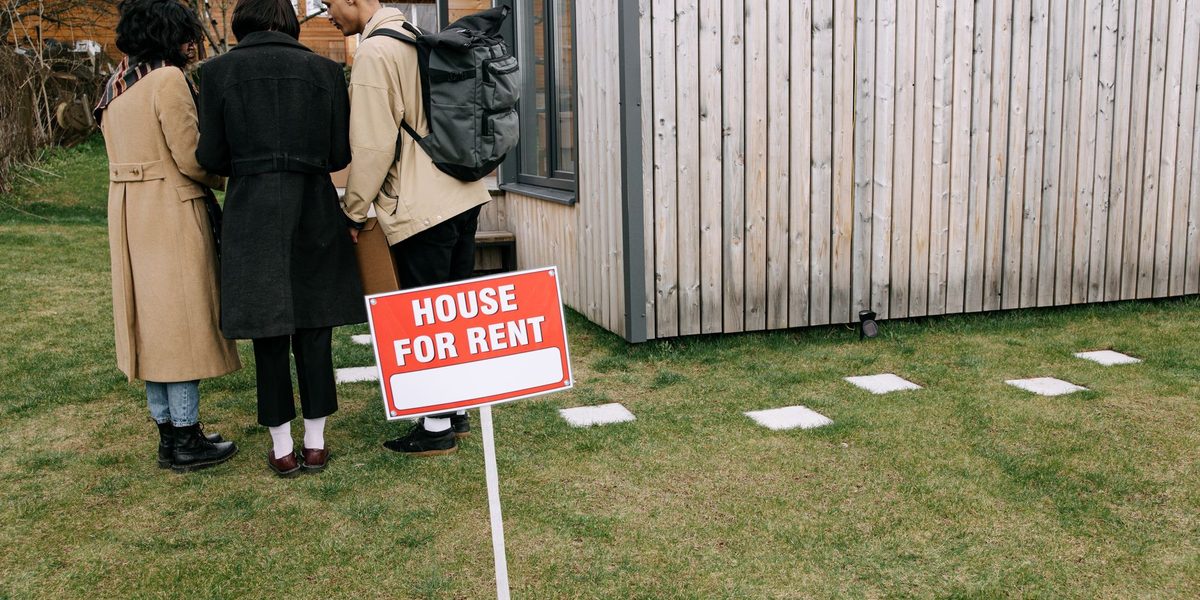
The lodging market has settled into two great camps: the hotel, selling service and predictability by the night, and the vacation rental, selling space and domesticity by the stay. Partisans of each treat the other as obviously inferior, which is a reliable sign that both products are good at different jobs. This review compares them where travelers actually feel the difference — total cost, space, service, consistency, location, and the character of the stay — and ends with a clear rubric for which model wins which trip.
The Price Illusion
Rentals usually win the headline rate and then claw much of it back below the fold. Cleaning fees, service fees, and taxes routinely inflate a rental's checkout total dramatically above its nightly teaser — a structure that punishes short stays, where fixed fees are spread across one or two nights. Hotels play their own games with resort fees and parking, but their pricing is more honest at the top line, and loyalty programs, free breakfasts, and flexible cancellation carry real value that rate comparisons ignore.
The honest method is to compare final checkout totals for your exact dates, then adjust for what each side includes. A rental's kitchen offsets restaurant spending; a hotel's included breakfast and daily housekeeping offset the rental's self-service reality. Run that math on a two-night city stay and hotels usually win. Run it on a ten-night family stay and the rental frequently wins by a wide margin. The break-even generally sits around four or five nights, earlier for groups.
Space: The Rental's Unanswerable Argument
Hotels sell rooms; rentals sell homes, and no hotel room competes with a house on square footage. Separate bedrooms mean children asleep at eight while adults stay up with wine and a deck of cards, rather than four people whispering in the dark. A kitchen means breakfast in pajamas, packed lunches, and a place to feed picky eaters without negotiation. Laundry means packing half as much. For families and groups, the rental is not marginally better on space — it is a different category of trip.
Two hotel counterpunches deserve mention: suites and connecting rooms solve part of the space problem at a price, and hotel common areas — pools, lobbies, gyms — offer shared space rentals rarely match. But at equal spending for a group of four or more, the rental's space advantage is usually decisive.
Service: The Hotel's Unanswerable Argument
Everything a hotel does converges on one promise: someone is always on duty. Lost key at midnight, broken shower at dawn, extra towels, a taxi, a recommendation, an early check-in begged and granted — the front desk absorbs it all. Daily housekeeping quietly resets the room; someone else makes the bed on your vacation. Rentals answer with a host who may be responsive, distant, or asleep in another time zone, and with problems that are yours to manage until someone answers a message.
When a rental stay goes wrong — the listing that flattered its photos, the heating that fails on a winter weekend — resolution runs through messaging queues and platform policies rather than a manager in the lobby. Most stays go fine; the difference is the width of the safety net when they do not. Travelers who value guaranteed rescue over extra square footage have their answer already.
Consistency and the Photograph Problem
A mid-tier hotel room is a known quantity anywhere on earth — the same bed, the same shower, the same reset room every day. That predictability is boring precisely because it works. Rentals are a distribution, not a product: the same money buys a stunning apartment or a tired one with heroic photography, and reviews are your only instrument for telling them apart. Read them the way an inspector would — recent stays, specific complaints, how the host responded to problems rather than to praise.
The rental's variance cuts both ways, and honesty requires saying so: the best rental you ever book — the terrace, the view, the house that becomes part of the trip's story — will beat any hotel room at the price. Hotels cluster in the reliable middle; rentals own both tails.
Location and the Shape of the Stay
Hotels concentrate where zoning and economics put them: business districts, tourist cores, airport rings. Rentals scatter through residential neighborhoods where hotels cannot exist, and that difference shapes the trip. A week in a residential quarter — greeting the same baker, shopping the local market, living at the destination rather than visiting it — is an experience the hotel model structurally cannot sell. For slow travelers and long stays, this is the rental's quietest and deepest advantage.
The flip side is friction: check-in via lockbox instructions rather than a staffed desk, no bell staff for luggage, garbage rules to learn, and neighbors who live there after you leave. Rentals ask you to behave like a temporary resident, with the small responsibilities residency implies.
Rules, Deposits, and the Cost of Small Print
The two models also differ in how much contract you sign without noticing. Hotels bind you to little beyond a checkout time; rentals arrive with house rules — quiet hours, guest limits, appliance instructions, checkout chores like stripping beds and running the dishwasher — and with security deposits or damage waivers standing behind them. None of this is unreasonable, but it changes the texture of the stay: the rental guest is a vetted borrower of someone's property, reviewed afterward just as they review the home. Travelers who bristle at being graded on their vacation should weight this honestly.
Cancellation policies deserve the closest read. Hotel bookings commonly cancel free until days before arrival; rental policies range from generous to punishing, with strict tiers keeping half or more of long-stay totals well in advance. For trips booked far ahead or exposed to changing plans, the hotel's flexibility is worth real money, and a strict-policy rental should be discounted in your comparison accordingly — or backed by insurance you actually read.
The Verdict by Trip Type
- Short city break: hotel. Fixed rental fees crush short stays, and location plus service beat a kitchen you will never use.
- Family week or multi-family group: rental, decisively. Bedrooms, kitchen, and laundry transform group travel.
- Business travel: hotel. Predictability, receipts, housekeeping, and a desk that fixes problems while you work.
- Long stay or remote-work month: rental. Monthly discounts, a real kitchen, and a neighborhood life no hotel offers.
- Romantic milestone trip: either — a suite with room service and a spa, or a spectacular one-off rental; this is taste, not math.
- First visit to an unfamiliar destination: hotel first, rental once you know the neighborhoods.
Final Thoughts
Neither model deserves the loyalty people give it. The hotel is a service machine that shines on short, busy, unpredictable trips; the rental is a space machine that shines on long, domestic, group-shaped ones. Price them honestly at checkout totals, weight the service gap by how much rescue you tend to need, and let the length and shape of the trip make the call. The travelers who get lodging consistently right are not hotel people or rental people — they are people who read the trip first and book the machine built for it. And when a stay teaches you something — a neighborhood worth returning to, a host worth trusting, a hotel brand that never misses — write it down. Lodging judgment compounds, and the second decade of your travels should be booked far better than the first.