The food hall has become the default answer to the question of where a city's interesting food lives. Old markets, converted warehouses, and shiny new developments now house rows of counter-service stalls under one roof, and the format is routinely described as the best of all worlds: restaurant-quality food without restaurant formality or restaurant prices. The traditional sit-down restaurant, meanwhile, is quietly cast as the tired incumbent. The honest picture is more balanced. Each format is structurally good at certain meals and structurally bad at others, and knowing which is which will save you both money and a few loud, plastic-tray disappointments.
What a Food Hall Actually Is
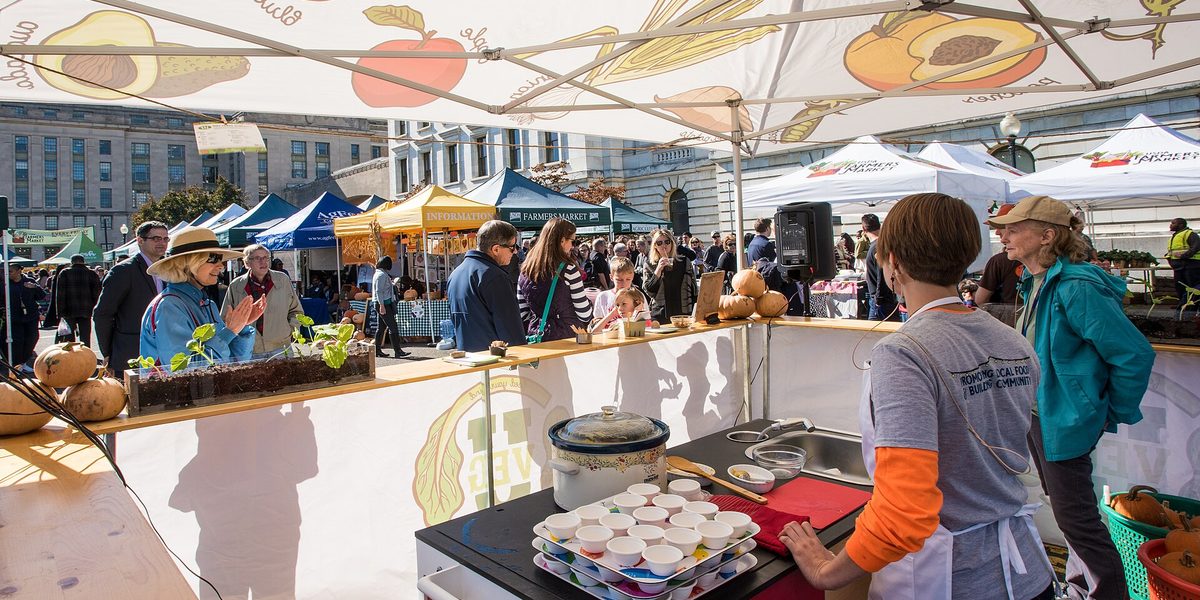
Strip away the reclaimed wood and the neon, and a food hall is a real-estate arrangement: many small kitchens sharing one dining room, with ordering at counters and seating in common. That structure explains almost everything about the experience. Each vendor runs a tiny menu — often just a handful of items — which is the format's secret weapon, because a kitchen that makes one thing hundreds of times a week tends to make it very well. The shared seating explains the rest: the energy, the noise, the scavenging for a table at peak hours, and the fact that no one is responsible for your evening as a whole.
A sit-down restaurant is the opposite arrangement: one kitchen, one menu spanning many dishes, and a staff whose job is the entire arc of your meal. Its strengths and weaknesses flow from that structure just as directly.
Food Quality: Specialists vs Generalists
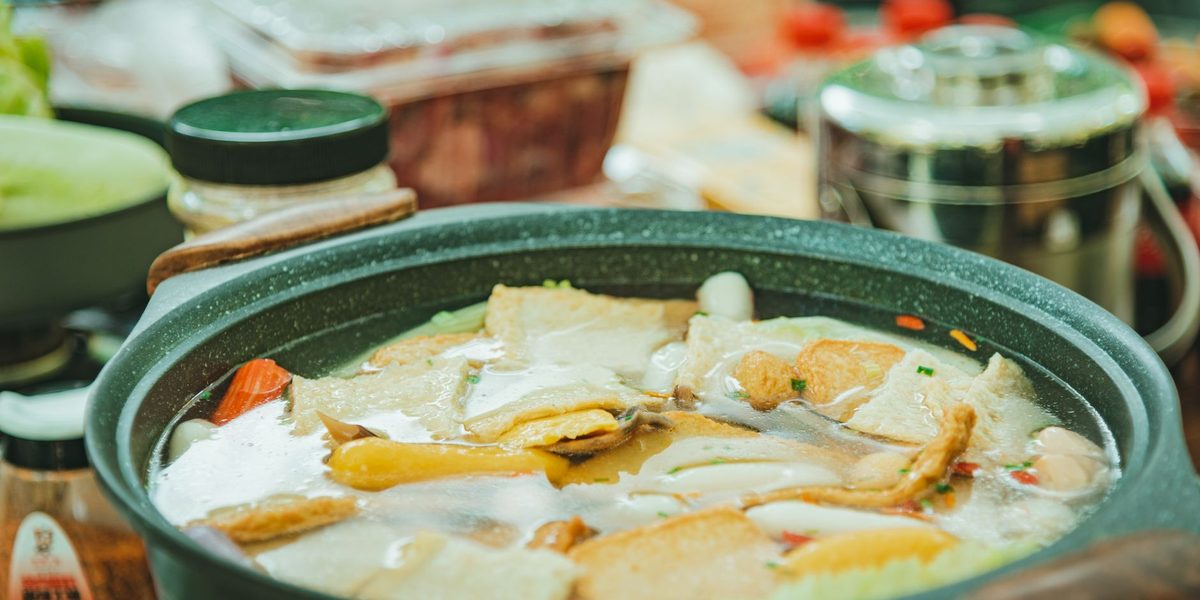
On pure food quality, the food hall's specialist model genuinely delivers. The stall that makes only fried chicken sandwiches or only hand-pulled noodles has focus a full-menu restaurant cannot match, and the best single dishes in many cities are now served over counters. Because stalls are cheap to open compared to restaurants, food halls also attract young cooks and immigrant family operations testing ideas, which keeps the ceiling high and the food interesting.
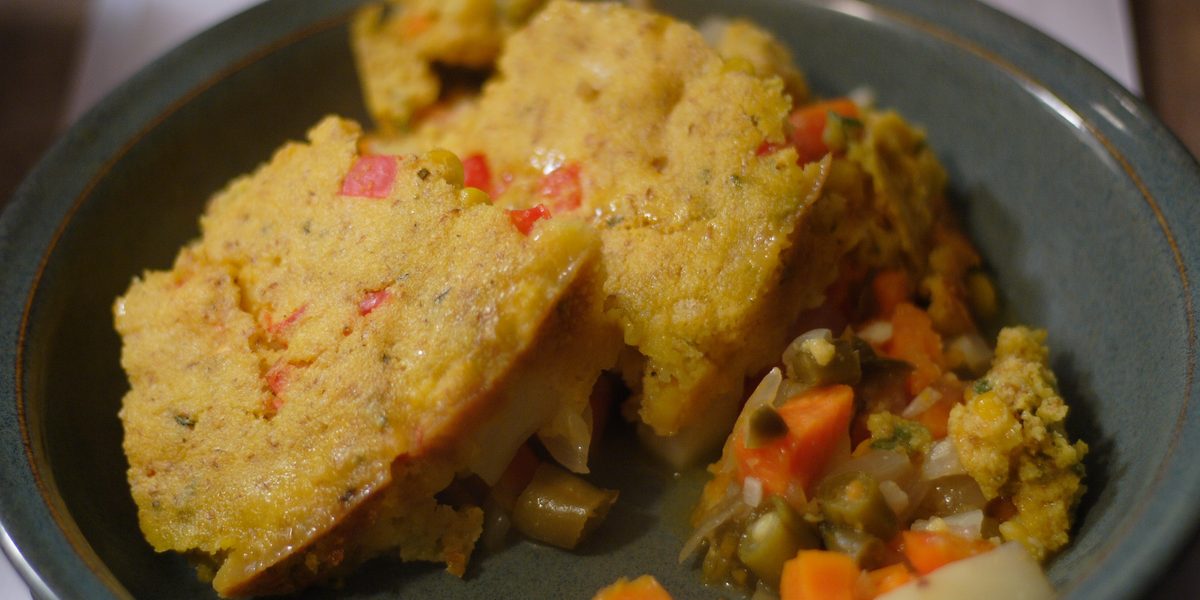
But the specialist model has an honest cost: consistency across the meal. In a good restaurant, one kitchen balances your whole table — courses arrive in order, dishes are designed to sit next to each other, and the chef has tasted the combination you are eating. In a food hall, your table assembles a meal from four unrelated kitchens with four ideas of seasoning, and the parts often do not add up to a whole. The hall wins on best-single-bite; the restaurant wins on best-complete-meal. Both claims are true at the same time.
There is also a survivorship effect worth knowing about. A food hall's stalls face constant, visible competition twenty feet away, so weak vendors turn over quickly and the average quality of a mature hall drifts upward. A mediocre restaurant, by contrast, can coast for years on location and habit. This is why a random stall in a busy hall is a safer bet than a random restaurant on the same block — and why the hall's very best stall is still usually not the best kitchen in the neighborhood.
The Price Comparison Is Sneakier Than It Looks
Food halls carry a reputation for affordability that deserves scrutiny. Individual items often cost about what the same dish costs at a fast-casual counter, and sometimes more — you are paying for the specialist's quality and the developer's rent. Where the hall genuinely saves money is in what it lets you skip: no mandatory drinks, no appetizer ritual, no dessert upsell, and often no full-service tip. A person who wants one excellent thing and a glass of water gets out of a food hall cheaply and happily.
The trap runs the other way for groups and grazers. The format is engineered for incremental spending — a taco here, dumplings there, something sweet, a drink from the bar stall — and four small purchases quietly outrun the cost of a plated entrée. Meanwhile, a modest sit-down restaurant's lunch special, with service and a seat guaranteed, is frequently the better deal than the hall next door. The honest rule: food halls are cheap for the disciplined and expensive for the curious.
Comfort, Seating, and the Meal as an Event
The food hall's weakest point is the one its photos never show: the seating. At peak hours, popular halls become a competitive sport of table-hovering, tray-balancing, and eating in your coat, at communal tables, under concert-level noise. For a quick solo lunch or a lively outing with friends, that energy is part of the fun. For a date that needs conversation, a meal with grandparents, or any occasion where sitting comfortably for ninety minutes is the point, the format actively works against you.
Sit-down restaurants sell exactly what halls cannot: a reserved place, a human assigned to your needs, pacing between courses, and an environment designed for lingering. That package is what much of the menu markup actually buys, and whether it is worth it depends entirely on whether tonight's meal is fuel, entertainment, or an occasion. All three are legitimate; they just have different correct answers. Weather and season tilt the scales too — halls shine when their patios and garage doors are open, and lose a lot of charm when everyone is dripping onto the same communal bench.
Where Each Format Wins
The honest scorecard, by situation:
- Food hall wins: solo meals and quick lunches; groups who cannot agree on a cuisine; sampling a city's food scene in one visit; families with kids who eat different things at different speeds; casual gatherings where wandering is part of the fun.
- Sit-down wins: dates and anniversaries; business meals; multi-course eating where dishes should relate to each other; anyone with mobility or noise concerns; rainy-night comfort; and every meal where being taken care of is part of what you are buying.
- Coin flip: weekend outings with friends, where the group's tolerance for noise and standing decides it.
How to Beat Each Format at Its Own Game
Both formats reward a little strategy. In a food hall: go off-peak or send a scout to claim a table before anyone orders; pick one or two stalls and order their signature item rather than grazing everything; watch which stall has the longest local line, because in a hall the crowd's information is unusually reliable; and check whether the bar stall's prices are subsidizing everything else before ordering a round. In a restaurant: lunch menus deliver the same kitchen at a discount; ordering the dishes the restaurant is known for beats adventurous menu spelunking; and a modest neighborhood spot at full attention routinely outperforms a famous room at full capacity.
The meta-strategy is the same in both cases: each format has dishes and hours where its structure helps the food, and diners who align with the structure eat better than diners who fight it.
Final Thoughts
Food halls did not replace restaurants; they unbundled them. The hall took the food and the energy and left behind the service, the comfort, and the coherence of a composed meal — and depending on the night, that is either a brilliant trade or a terrible one. Go to the hall for the specialist's single perfect dish, for indecisive groups, and for lunches with momentum. Go to the restaurant when the table itself matters: when you want pacing, quiet, care, and a meal that was designed as a whole. The trendy answer and the traditional answer are both right on schedule — just rarely on the same night, for the same meal, with the same people.