Few grocery beliefs are held with more confidence and less evidence than the idea that fresh produce is always better than frozen. The produce section, with its misting sprays and artful stacking, is designed to make you feel virtuous, while the freezer aisle feels like a compromise. The honest truth is messier: frozen wins outright in some categories, fresh wins in others, and the deciding factors — time, texture, and how you actually cook — are rarely the ones people argue about. Here is the real verdict, category by category.
The Freshness Illusion
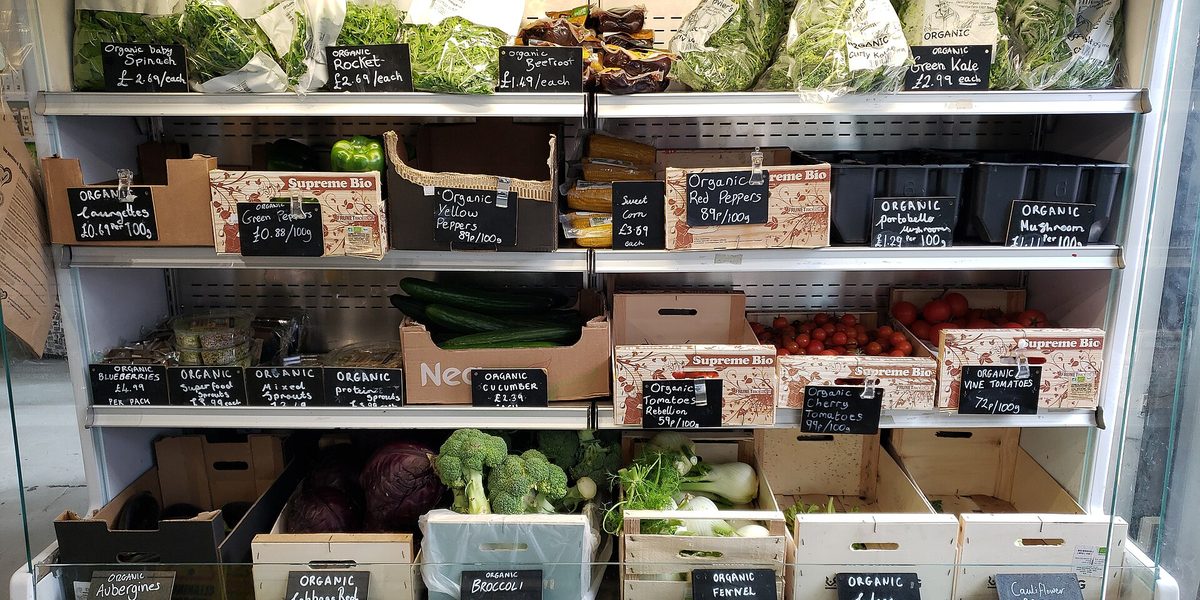
The first thing to understand is that “fresh” in a supermarket rarely means recently picked. Most fresh produce is harvested before peak ripeness so it can survive shipping and storage, and it may spend days or weeks in transit and on shelves before it reaches your cart. Fruits and vegetables begin losing certain nutrients the moment they are picked, so a green bean that traveled for a week is not the same green bean the label implies.
Frozen produce follows a completely different path. It is typically harvested at peak ripeness — because it does not need to survive a journey — then blanched and flash-frozen within hours. That process locks the food in something close to its just-picked state. This is why the tired framing of “fresh and nutritious versus frozen and processed” gets the story almost backwards: freezing is one of the mildest forms of preservation that exists, with nothing added and nothing removed.
Nutrition: Much Closer Than the Marketing Suggests
Nutritionally, the honest answer is that well-handled fresh produce and frozen produce are broadly comparable, and each can edge out the other depending on timing. Truly fresh, in-season, locally grown produce eaten within a day or two of harvest is as good as it gets. Fresh produce that has traveled far and sat around loses ground steadily. Frozen produce sits in the middle: slightly diminished by blanching, then essentially paused in time.
The practical takeaway is simple: the nutritional difference between fresh and frozen is small enough that it should almost never drive your decision. Eating more vegetables matters vastly more than which aisle they came from, and a bag of frozen spinach that actually gets eaten beats a bag of fresh spinach that liquefies in the crisper drawer. It is also worth noting that canned produce, the third option people forget, sits in the same conversation: softer in texture and sometimes saltier, but perfectly respectable for tomatoes, beans, and pumpkin, and often the best value of all three. The hierarchy of virtue that grocery marketing implies — fresh at the top, frozen in the middle, canned at the bottom — simply does not survive contact with how these foods are actually processed and eaten.
Flavor and Texture: Where Fresh Earns Its Keep
Texture is where fresh produce genuinely wins, and it is not close. Freezing ruptures cell walls as ice crystals form, which is why thawed produce goes soft. Anything you plan to eat raw or want crisp — salad greens, cucumbers, radishes, snap peas, fresh tomatoes on a sandwich — must be fresh, full stop. No freezing technology changes this.
But texture stops mattering the moment heat is involved. Vegetables destined for soups, stews, stir-fries, curries, sauces, and casseroles get soft in the pot anyway, and frozen versions perform nearly identically to fresh. Frozen fruit disappears into smoothies, oatmeal, and baking without any loss worth mentioning. The honest rule: raw applications demand fresh; cooked and blended applications make the difference nearly undetectable.
Cost and Waste: The Argument Nobody Makes Loudly Enough
Here is the part of the comparison that deserves far more attention. Frozen produce is usually cheaper per serving than fresh, especially outside the local growing season, and often dramatically cheaper for berries and out-of-season vegetables. But the sticker price understates the gap, because the true cost of fresh produce includes everything you throw away.
Household food waste is heavily weighted toward fresh fruits and vegetables — the herbs that wilted, the half bag of salad that turned, the berries that fuzzed over in three days. Frozen produce waits months without complaint and lets you use exactly the amount you need. When you account for waste, frozen is not slightly cheaper than fresh; for many households it is decisively cheaper. If your grocery budget is tight, the freezer aisle is one of the most effective tools you have.
What to Buy Frozen, What to Buy Fresh
After all the caveats, the category-level verdicts are surprisingly consistent. These items are as good frozen or genuinely better for most uses:
- Berries and mango — picked ripe, ideal for smoothies and baking, far cheaper out of season.
- Peas and corn — sugars convert to starch quickly after harvest, so frozen often tastes sweeter than “fresh.”
- Spinach and chopped greens — for cooking, frozen is cheaper and pre-prepped.
- Broccoli and cauliflower florets — fine for roasting, soups, and stir-fries if you dry them well.
- Green beans, edamame, and mixed vegetables — workhorse ingredients for weeknight cooking.
And these belong on the fresh list almost every time: anything eaten raw, salad greens, cucumbers, tomatoes, avocados, potatoes and onions (which keep beautifully and freeze poorly at home), whole citrus, apples, and any vegetable where a crisp bite is the point, like snap peas or bell pepper strips for snacking. Mushrooms are a borderline case — frozen ones work in long-cooked dishes but turn rubbery anywhere else — and fresh herbs have no true frozen substitute for finishing a dish, though freezing chopped herbs in oil is a fine trick for cooking. When a fruit or vegetable is genuinely in season near you, buy it fresh without hesitation; that is the one window where fresh beats frozen on every axis at once, including price.
The Technique That Closes the Gap
Most people who dislike frozen vegetables dislike the way they were cooked. Dumping a frost-covered bag into a pan and steaming it in its own meltwater produces the sad, soggy result that gives the freezer aisle its reputation. Two adjustments fix nearly everything. First, cook most frozen vegetables straight from frozen at high heat — a very hot oven or a ripping-hot pan — so the surface moisture evaporates fast enough for browning to happen. Second, for anything delicate like spinach, thaw it and squeeze the water out before it goes anywhere near the dish.
Treat frozen produce like an ingredient rather than a shortcut, season it as generously as you would fresh, and the quality ceiling rises to meet all but the pickiest expectations. A few more habits help at the margins: buy bags rather than blocks so you can pour out single portions, squeeze the air out and reseal tightly to prevent freezer burn, and use frozen vegetables within a few months rather than letting them fossilize behind the ice cube trays. Freezer burn does not make food unsafe, but it does make it taste flat and woolly, and it is responsible for a good share of frozen food's undeserved reputation.
Final Thoughts
The honest verdict is that this was never really a competition. Fresh produce wins on texture and the pleasures of eating raw, in-season food at its peak. Frozen wins on price, convenience, waste, and year-round consistency, with nutrition close enough to call even. The smartest kitchen strategy is deliberate about using both: buy fresh what you will eat raw within a few days, buy frozen for everything that gets cooked or blended, and let go of the idea that one aisle is virtuous and the other is a compromise. The best produce is the produce you actually eat before it goes bad — and by that standard, the freezer has earned far more respect than it gets.