Every suburban street hosts the same quiet standoff: on one side, the household that writes a check and never touches the grass; on the other, the weekend warrior with a garage full of equipment and opinions about mowing height. Both are convinced they have it figured out. The truth is that lawn care splits into two very different services — the weekly mow-and-trim and the agronomic treatment program — and the DIY math is completely different for each. Getting the verdict right means separating them, counting the hours honestly, and admitting which kind of homeowner you actually are.
The Two Services Hiding Under One Name
Mowing crews sell labor: cutting, edging, trimming, and blowing, usually weekly or biweekly through the growing season. The skill floor is low, the equipment is the main barrier, and the value is almost purely time. Treatment programs sell expertise: fertilization schedules, weed pre-emergents, grub control, aeration, and overseeding, timed to your grass type and climate. The skill floor is genuinely higher — timing and product selection matter enormously — and the value is knowledge plus consistency.
This split matters because the outsourcing case is strongest where you are weakest. Plenty of homeowners happily mow but have no idea why their lawn thins every summer; they should DIY the labor and buy the expertise. Others could follow a treatment calendar fine but dread the weekly two-hour mow; they should flip it. Bundling both into one decision is how people overpay.
The Real Cost of Doing It Yourself
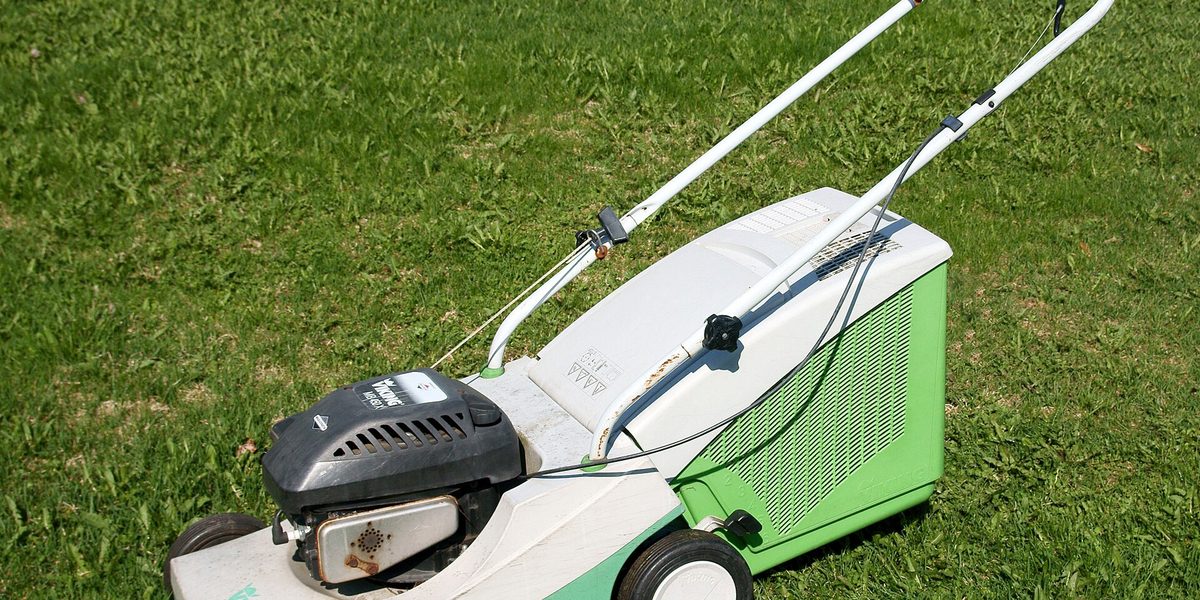
DIY looks free and is not. The equipment stack — a decent mower, a string trimmer, an edger or edging attachment, a blower or a broom and patience — represents a real up-front outlay, plus fuel or batteries, blade sharpening, and eventual replacement. Spread across years of use it is far cheaper than a season of crew visits, but it is not zero, and it occupies a meaningful chunk of garage.
The bigger cost is the one nobody prices: your season. A typical suburban lot takes an hour to two per week of mowing and trimming across a growing season of many months. That is several full working days of your year, spent in the heat, on a schedule the grass dictates rather than you. Some people find that time meditative and genuinely enjoy it — a real benefit that belongs in the ledger. Others resent every minute, and for them the crew's fee is buying back entire weekends.
What the Professionals Actually Deliver
A good mowing crew delivers relentless consistency — the lawn is cut on schedule whether you are traveling, busy, or uninterested, and the edges stay crisp in a way weekend mowing rarely maintains. Crews also carry commercial equipment that handles overgrowth and large lots far faster than consumer gear. What they do not deliver is care about your lawn's health: most crews cut to a standard height at standard speed, and scalping, dull blades, or mowing wet grass can quietly stress a lawn.
Treatment companies deliver the calendar you would never keep: pre-emergent down before weeds germinate, fertilizer matched to season, problems spotted early by someone who sees hundreds of lawns. The honest caveats are upsells and autopilot — programs renew automatically, recommend add-ons generously, and apply standard products on standard schedules unless you push back. The best results come from customers who ask questions, not those who just pay the invoice.
Where DIY Wins Outright
Several situations tilt decisively toward doing it yourself.
- Small lots: a yard mowable in twenty minutes makes crew pricing hard to justify — minimum visit fees dwarf the labor involved.
- People who enjoy it: if mowing is your podcast hour and the stripes bring you joy, outsourcing subtracts value.
- Tight budgets with available time: lawn labor is one of the easiest household costs to reclaim, with used equipment abundant and cheap.
- Simple expectations: if green-ish and tidy is the goal, a mower and an occasional bag of basic fertilizer get you most of the way.
- Control-minded gardeners who want specific mowing heights, organic-leaning approaches, or careful handling around beds that crews plow past.
Where the Service Wins Outright
The reverse cases are just as clear. Large lots turn DIY into a part-time job and make crew efficiency shine. Physically demanding yards — steep slopes, heavy summer heat, allergy-season misery — make outsourcing a health decision as much as a financial one. Frequent travelers need the consistency more than anyone, because a lawn ignored for three weeks in June announces the empty house to the whole street.
And struggling lawns usually need the treatment program's expertise. If you have fertilized and watered for two seasons while the weeds keep winning, the problem is almost certainly timing, soil, or product selection — exactly the knowledge a professional program bundles. Paying for a season or two of professional treatment while you learn what they do, then taking the calendar in-house, is a legitimate and common graduation path.
The Hybrid Most Households Should Consider
The best value for a typical suburban home is often a split: mow it yourself, hire the treatment program — or the reverse, depending on which half you hate. Mowing is the easy skill and the expensive labor; treatment is the cheap labor and the hard skill. Buying only the half you lack usually costs a fraction of full service while producing nearly identical results.
Seasonal hybrids work too. Some households hire crews only for the brutal midsummer stretch or for spring and fall cleanups — the heavy, miserable jobs — while handling routine cuts themselves. Providers rarely advertise these arrangements, but most accept them, and the customers who ask capture the best of both columns.
How to Buy the Service Well
If you hire, hire deliberately. Get quotes from at least three providers, since pricing for identical work varies widely within the same neighborhood. Ask mowing crews about their rain policy, blade maintenance, and whether the same team returns weekly — turnover is where quality slips. Ask treatment companies exactly what each visit applies and why, and decline add-ons you cannot get explained in plain language.
Then audit annually. Service creep is real: prices rise, visit quality drifts, and autopay hides both. A ten-minute walk of your own lawn each spring — comparing edges, bare patches, and weed pressure against what you are paying — keeps the arrangement honest in a way no contract does.
Safety and regulation belong in the audit too. Treatment products are chemicals, and whether they are applied by you or a contractor, children, pets, and pollinator gardens change what should go on the grass and when. A good provider will discuss re-entry times and alternatives without being pushed; a DIY homeowner owes the same diligence to the label instructions. If a company treats those questions as an annoyance, that is your answer about the company — and if you find yourself skipping the label to save ten minutes, that is your answer about DIY treatments.
Final Thoughts
Lawn care is two products wearing one name, and the honest verdict is to unbundle them. Buy labor if your time or body is the constraint; buy expertise if your results are; buy both only if the yard is large, the schedule is full, and the budget is comfortable. Do it all yourself if the work genuinely suits you — that enjoyment is worth real money and shows in the results. The only losing move is the default: paying full price for both halves without ever asking which one you actually needed, season after autopaid season.