A bicycle looks like a one-time purchase and behaves like a subscription. The frame — the thing you think you bought — can genuinely last a lifetime, while nearly everything attached to it wears on a schedule set by your mileage, your weather, and your willingness to do small maintenance on time. Ten years of ownership makes the pattern impossible to miss: some owners spend almost nothing beyond consumables, others pay for the same bike twice in neglected-repair bills, and the difference is knowledge more than luck. This review lays out what actually wears, what a decade genuinely costs, the maintenance that multiplies component life, and the point where upgrading beats replacing.
The Frame Is Forever; the Rest Is a Schedule
Steel and titanium frames shrug off decades; aluminum fatigues over very long horizons but rarely fails in casual use; carbon lasts indefinitely if it avoids crash damage and crushing clamps. Barring accidents, the frame and fork are the lifetime components — which reframes the entire purchase. You are not buying a bike so much as choosing a chassis on which a decade of consumable parts will be mounted, and frame quality, fit, and versatility matter precisely because everything else is replaceable around them.
The wear schedule beneath the frame is remarkably predictable. Chains stretch with every mile and are the pacemaker of drivetrain cost: replaced on time, they protect the far more expensive cassette and chainrings; ignored, a worn chain chews through the whole drivetrain and triples the bill. Tires wear to their casings, brake pads wear to their backing, cables stretch and fray, bar tape and grips shred, and bearings — wheels, headset, bottom bracket — grind slowly toward replacement, fast in wet grit, slow in dry garages.
What a Decade Actually Costs
For a regular rider, the honest ledger clusters into three tiers. Consumables — chains, tires, tubes or sealant, brake pads, cables, bar tape — arrive steadily and cheaply, a small annual sum for a commuter and more for high-mileage riders. Wear components — cassettes, chainrings, wheels, bearings, saddles — arrive in waves every few years, each modest if the consumables were kept up. Neglect charges — the seized seatpost, the rusted drivetrain, the wheel destroyed by riding on a broken spoke — are the only expensive category, and they are optional.
Divide any plausible total by ten years of transport, exercise, and errands, and the bicycle embarrasses almost every alternative per mile. The math only fails when the bike stops being ridden — the two-wheeled version of the gym membership — or when deferred maintenance converts small scheduled costs into large surprise ones.
Labor is the swing variable in the ledger. Every job on the consumables list is learnable from free videos with a small set of tools, and riders who do their own chains, pads, and cables cut the decade's cost dramatically while catching problems early. Riders who prefer the shop buy expertise and convenience instead — a perfectly sound trade, as long as the visits happen on schedule rather than after the grinding starts.
The Maintenance That Multiplies Component Life
Bike maintenance splits cleanly into a tiny weekly habit and a seasonal check, and together they control most of the decade's costs.
- Keep the chain clean and lubricated. A wipe and a few drops of lube every week or two is the single highest-return act in cycling; a gritty dry chain is a file grinding your drivetrain with every pedal stroke.
- Keep tires inflated to spec. Soft tires wear fast, invite pinch flats, and dent rims; a floor pump with a gauge pays for itself in months.
- Measure chain wear. A checker tool costs almost nothing; replacing chains at the wear mark saves cassettes and chainrings several times over.
- Silence noises early. Clicks, creaks, and rubs are the bike narrating a developing problem while it is still cheap.
- Wash it occasionally, especially after salt and grit, and store it dry — weather parked on a bike ages it faster than riding does.
- Once a year, have the bearings, brakes, and cables gone through — by a shop or a winter afternoon of your own labor.
Riders who adopt this list report the drivetrain lasting seasons longer, the bearings lasting years longer, and the surprise-repair category shrinking toward zero.
Weather, Storage, and the Commuter Tax
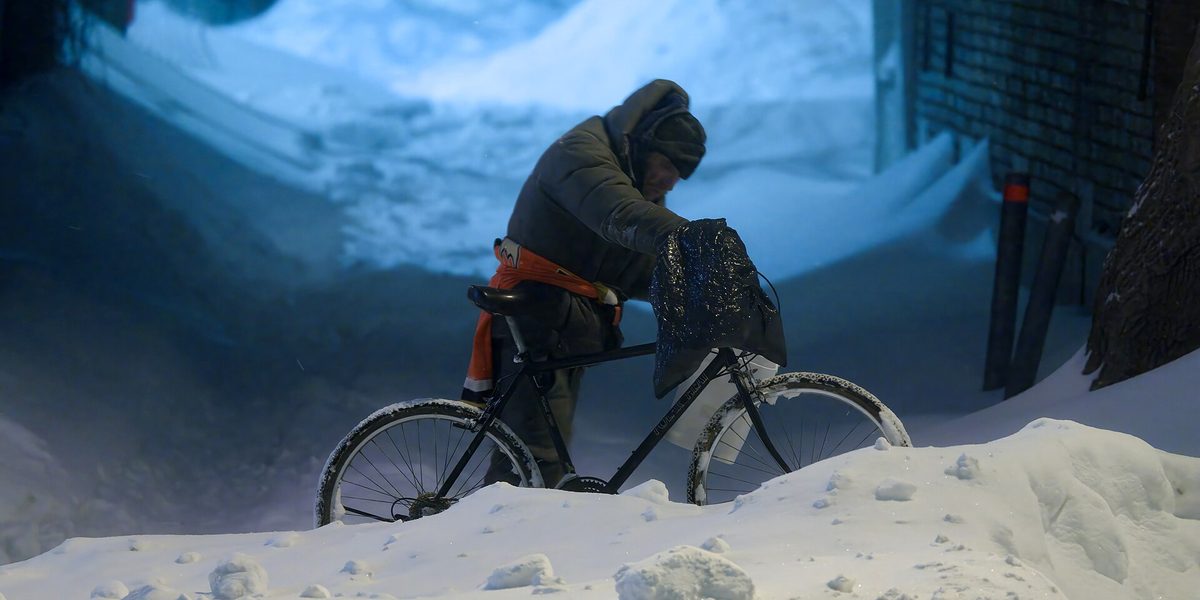
Mileage is not the only odometer; conditions are the hidden one. A bike ridden through winters of salt and rain, parked outside, ages several times faster than a garage-kept fair-weather machine with identical mileage — rims, chains, cables, and bolts all corroding between rides. Commuters who cannot avoid weather can still buy back years with cheap moves: fenders that keep grit spray off the drivetrain, a silicone-heavy wet lube in winter, a weekly rinse after salted roads, and indoor or covered parking wherever possible. Many year-round riders run a deliberate two-bike system — a cherished bike and a winter mule — accepting one bike's faster aging to preserve the other, and the economics work because consumables on the mule cost less than corrosion on the keeper. Even indoors, storage details matter over a decade: hanging or standing the bike where nothing leans on the wheels, keeping tires off freezing concrete with a mat, and topping up inflation monthly prevents the slow deformations that show up as mystery wobbles years later.
Upgrade, Overhaul, or Replace
Because frames outlast everything, the replace-or-repair question on bikes is really a components question. A full drivetrain refresh plus new tires and cables on a quality frame costs a fraction of an equivalent new bike and rides like new — the classic overhaul, and nearly always the right call on a frame that fits. Wheel upgrades transform a bike more than any other single spend. The calculation flips only in specific cases: a frame that never fit properly (no component spends fix geometry), crash or fatigue damage to the frame itself, a bottom-tier bike whose every component needs replacing at once, or obsolete standards that make parts hunting a hobby of its own. And when a new bike does win, a sound old frame rarely deserves the landfill — rebuilt cheaply, it becomes the guest bike, the trainer bike, or the winter mule.
Buying the Next Decade Wisely
A decade of ownership rewrites the showroom checklist. Fit outranks every specification, because the bike that fits is the bike that gets ridden, and the unridden bike is the most expensive kind. Standard, widely available component formats outrank exotic ones, because the decade will be spent buying parts. Mounting points for fenders and racks outrank a few grams of weight. Mid-tier components hit the durability sweet spot — cheap parts wear fast, top-tier parts trade longevity for lightness — and the money saved belongs in a good pump, a chain checker, and the first year of consumables. The glamorous purchase is the bike; the profitable purchases are the boring ones beside it.
Final Thoughts
Ten years with a bicycle teaches a clean lesson: the frame is a lifetime asset, the parts are a predictable schedule, and neglect is the only real luxury tax in cycling. Lube the chain, mind the tires, replace the cheap parts on time so they protect the expensive ones, and shelter the machine from the weather it cannot ride out. Owned that way, a bike delivers some of the cheapest miles available anywhere — and the same frame that carried you this decade will happily accept new parts and carry you through the next.