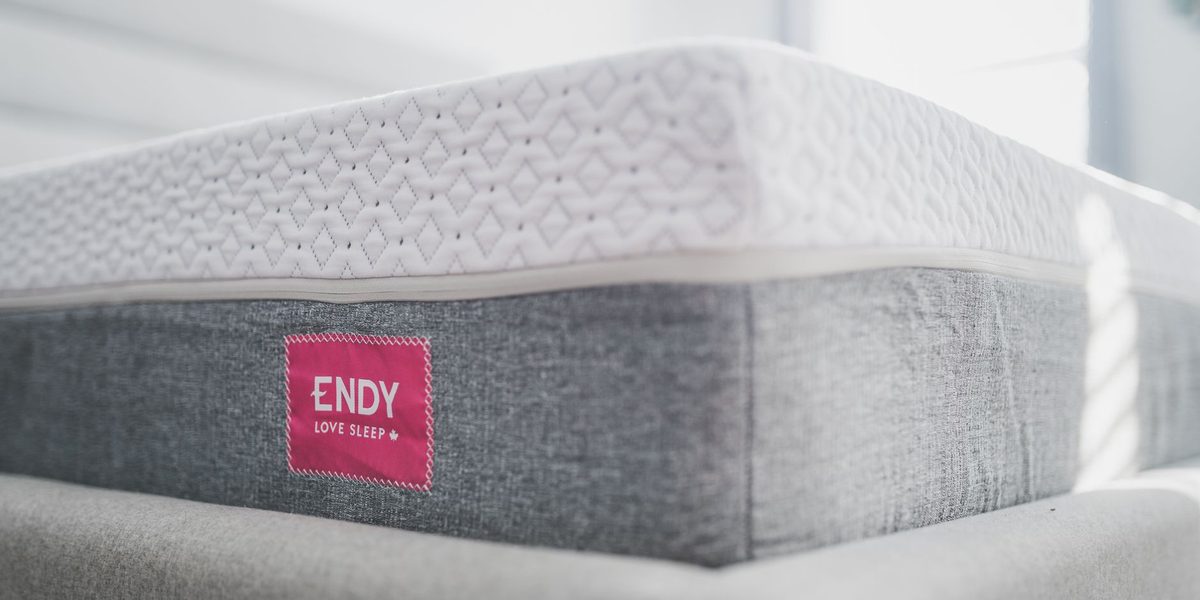
A mattress is one of the few purchases you will use for roughly a third of every single day, yet most people evaluate it based on a five-minute showroom lie-down. The real story of a mattress unfolds over years: foams soften, springs settle, edges collapse, and the surface slowly molds itself to the two people who sleep on it. This review looks at mattresses the way an owner experiences them — not on delivery day, but in year three, year six, and year ten — and explains what degrades, what you can do about it, and when the honest answer is to stop fighting and replace it.
What Actually Wears Out
Every mattress type ages differently, but the failure points are surprisingly consistent. The comfort layers — the top few inches of soft foam, fiber, or latex — take the most abuse because they compress fully every night. Over time they lose their ability to spring back, which shows up first as body impressions: shallow valleys where each sleeper lies. Beneath that, the support core (coils, dense foam, or latex) usually lasts far longer, which is why an aging mattress often feels fine in the middle of the bed but tired exactly where you sleep.
Edges are the second casualty. Foam-encased perimeters soften with repeated sitting, especially on the side where you put on shoes or watch television. Once the edge collapses, the usable sleep surface shrinks, and couples start drifting toward the center — one of the classic complaints of a mattress in decline.
How Each Material Holds Up Over the Years
Memory foam tends to feel wonderful early and soften steadily. Heat and body weight gradually break down the cell structure, so the pressure relief that sold you on it becomes a hammock effect that strains your lower back. Denser foams resist this longer; bargain foams can show deep impressions within a couple of years.
Innerspring and hybrid designs are more graceful agers in the core but depend heavily on their comfort layers. The coils themselves rarely fail outright; instead, the pillow top packs down and stops isolating you from the springs. Latex is generally the longevity champion — natural latex resists impressions better than any common foam — though it, too, eventually dries and crumbles at the edges after many years. Cheaper bonded or blended layers age much faster than their premium equivalents, which is one place where spending more genuinely buys more years.
The Maintenance That Genuinely Extends Life
Mattress care advice is full of rituals that make little difference, but a few habits measurably slow the aging process.
- Rotate head-to-foot every few months. This spreads compression across the surface instead of concentrating it under your hips and shoulders. Most modern one-sided mattresses cannot be flipped, but rotation alone helps significantly.
- Use a proper foundation. Slats spaced too far apart let foam sink between them and create premature dips. A sagging box spring transfers its sag straight into the mattress above it.
- Keep a washable protector on it. Moisture is the quiet killer of foam — sweat and humidity accelerate breakdown and invite mildew. A protector also preserves the warranty, which almost always excludes stained mattresses.
- Let it breathe. Airing the bed out before making it reduces trapped humidity, particularly in warm climates.
None of this reverses wear, but owners who do these things routinely report getting several extra comfortable years compared with those who never touch the bed after setup.
Cost Per Night: The Only Math That Matters
Sticker shock fades quickly when you divide by nights of use. A mid-priced mattress that stays comfortable for eight years costs less per night than a takeout coffee costs per day. A bargain mattress that turns into a trampoline-shaped trough after three years often works out more expensive per night, before you even count the mornings of stiffness it caused along the way.
It also helps to run the same math on the bed you already own. If your mattress is entering its eighth year and you find yourself pricing toppers, pillows, and pain relievers to compensate for it, add those costs to the ledger — accessories bought to prop up a failing bed are part of its true cost of ownership, and they often reveal that the old mattress stopped being the frugal choice a while ago.
This is the core insight of long-term ownership: the purchase price is the smallest part of the story. The right question is not what a mattress costs, but what each year of genuinely restful sleep costs. Durable materials, a real warranty, and honest firmness for your body type all push that number down. Impulse-buying whatever is on sale usually pushes it up.
Repair, Rescue, and Half-Measures
Unlike a sofa, a mattress offers few real repair options, but there are legitimate rescues short of replacement. A quality mattress topper can restore comfort when the underlying support is still sound — if the bed feels hard and flat rather than lumpy and sunken, a topper buys real time. Firming up a saggy foundation, adding a bunkie board over widely spaced slats, or moving the mattress to a guest room where it sees light duty are all reasonable ways to extract remaining value.
What half-measures cannot fix is a compromised support core. If you can feel a permanent valley when you run your hand across the surface, or if a straightedge laid across the bed shows a visible dip where you sleep, no topper will save it. Padding over a hole just gives you a softer hole.
The Signs That Replacement Has Won
Owners tend to normalize a slowly failing mattress because the decline happens one night at a time. Watch for these signals instead of waiting for a revelation:
- You sleep noticeably better in hotels or guest beds than at home.
- You wake with aches that fade within an hour of getting up.
- Visible body impressions remain when the bed is empty.
- The edge collapses when you sit on it, or you roll toward the middle.
- Squeaks, crunches, or a musty smell have become part of the bed's personality.
- Allergy symptoms are worse in the bedroom than anywhere else in the house.
Any two of these together usually mean the mattress is costing you more in sleep quality than a replacement would cost in money.
Buying the Next One With Aging in Mind
Once you have watched a mattress grow old, you shop differently. Look past the showroom feel and ask longevity questions: how dense are the foams, how thick is the comfort layer relative to the support core, and what does the warranty actually cover? A warranty that only pays out for impressions deeper than a specified depth tells you the manufacturer expects some sagging as normal — read that fine print as a durability forecast. Heavier sleepers should treat density and coil gauge as non-negotiable, since every aging process described here accelerates with load. And be honest about the trial period: a bed that feels marginal in month one will not improve in year five.
Final Thoughts
A mattress is not a lifetime purchase, and no amount of care makes it one. But the gap between a bed that dies young and one that ages gracefully is enormous, and most of that gap is decided by material quality, a proper foundation, and a handful of low-effort maintenance habits. Rotate it, protect it, support it — and when the valley in the middle stops rebounding, thank it for its service and move on. Your back keeps better records than your receipts do.