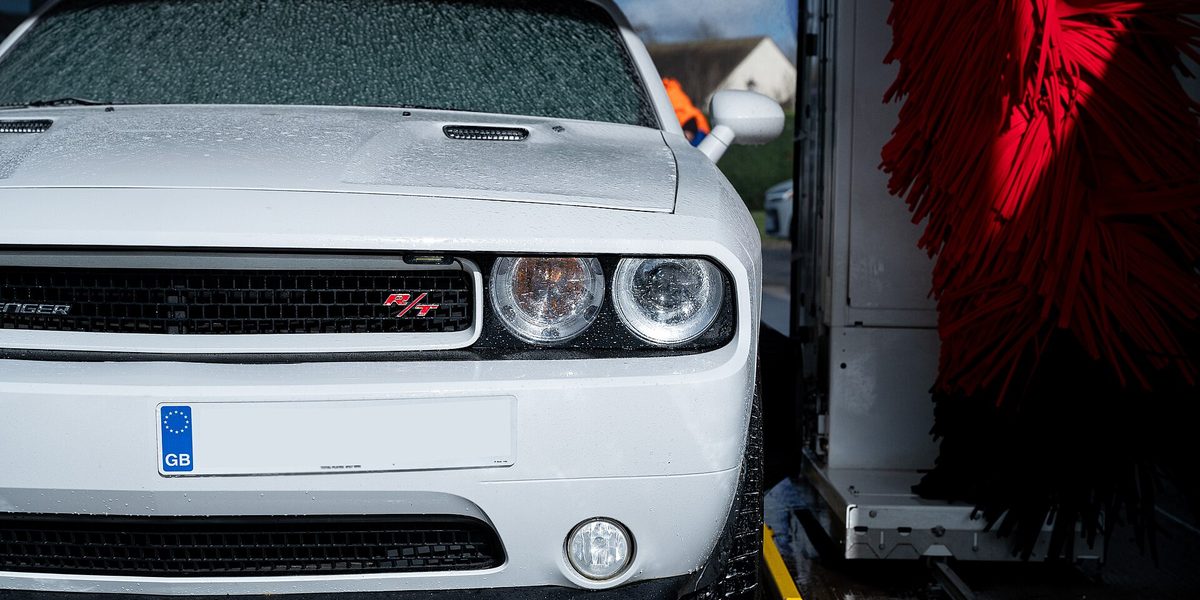
The unlimited car wash membership is one of the purest subscription plays ever devised: pay a flat monthly fee and run your car through the tunnel as often as you like. Priced at roughly two or three single washes per month, it dares you to do the math in the checkout lane — wash weekly and each visit costs pennies on the dollar. The pitch is honest as far as it goes. What it omits is the industry's real bet: that you will sign up in a burst of enthusiasm, wash three times in the first month, and then let the fee ride for a year while your visits quietly dwindle. Here is the clear-eyed breakdown.
The Break-Even Math
Every unlimited plan has a simple crossover point: the number of monthly washes where the membership beats paying per visit. For most base plans, that number sits between two and three washes a month. Below it, you are donating money. At it, you are breaking even. Above it, every additional wash is nearly free, and the economics tilt hard in your favor.
The honest question is not whether you could wash that often — anyone could — but whether you did before joining. Look at your actual history: how many times did you pay for a wash in the past six months? If the answer is fewer than one a month, a membership will not transform you into a weekly washer any more than a gym membership manufactures attendance. Subscriptions amplify existing habits; they rarely create new ones.
Who Genuinely Wins
Certain drivers blow past the break-even point without trying, and for them the membership is one of the best values in car care.
- Winter-climate drivers, where road salt and grime make frequent washing genuine rust prevention rather than vanity — undercarriage rinses in the salty months earn their cost in bodywork you never need.
- Coastal drivers dealing with salt air, and desert drivers dealing with dust storms and relentless sun on paint.
- People whose car is their workplace — rideshare and delivery drivers, real estate agents, sales reps — for whom a clean vehicle is presentation, not preference.
- Commuters who park under trees or near construction, collecting sap, pollen, and droppings that damage paint the longer they sit.
- Anyone who already paid for washes twice a month before a membership was ever offered.
Who Quietly Loses
The membership's profit engine is the driver who joined for the discount and reverted to old habits. If you washed the car four times last year, a monthly fee multiplies your annual wash spending several times over while feeling like a deal every time you visit. Garage-kept cars in mild climates, second vehicles that barely leave the driveway, and drivers who genuinely do not care about a dusty finish all fall into this category.
There is also a mismatch loser: the driver who cares deeply about paint. Tunnel washes optimize for speed and volume, and even well-maintained soft-touch equipment is harsher than a careful hand wash. Enthusiasts with meticulous finishes usually find unlimited plans irrelevant — the product being sold in volume is not the product they want at all.
The Fine Print That Changes the Value
Not all unlimited plans are the same product. The base tier typically covers the basic exterior tunnel run, while the features that justify frequent visits — underbody flush, wheel cleaning, spray-on protectant, towel-dry — live in higher tiers that can double the fee. Decide which features you actually need before comparing prices; a cheap tier without the undercarriage rinse defeats the winter-salt rationale entirely.
Check the operational terms too. Most plans are single-vehicle, tied to a license plate or window sticker, so a household with two cars needs two memberships or a plan with a multi-vehicle discount. Location matters more than anything: an unlimited plan is only unlimited if a participating wash sits on a route you already drive. Ten minutes out of the way converts a two-minute wash into a half-hour errand, and attendance collapses exactly like the far-away gym.
The Cancellation Game
Wash clubs know their churn math, and some make leaving harder than joining. Signup happens in seconds at the pay station; cancellation may require a website form, advance notice before the billing date, or an in-person visit. None of it is insurmountable, but the friction is the business model — every month of delay is pure margin.
Protect yourself with two habits. First, calendar a reminder for a week before each billing date during your first three months, and honestly count your visits. Second, cancel seasonally without guilt: in many climates the rational pattern is membership through the salty or dusty months and pay-per-wash the rest of the year. Providers welcome rejoiners, and seasonal members routinely extract the best value in the entire customer base.
Membership vs. the Driveway
The DIY comparison depends on what you count. A bucket wash at home costs almost nothing per wash and, done properly with clean mitts, is gentler on paint than any tunnel. It also consumes an hour, requires water access and storage for supplies, and — the part everyone forgets — competes with everything else you would rather do on a weekend. The tunnel's two-minute turnaround is the product; the water and soap are almost incidental.
For many households the sensible split is hybrid: machine washes for routine grime because they actually happen, and an occasional careful hand wash for the deeper clean. If you find driveway washing genuinely satisfying, keep it and skip the club. If the bucket has been gathering dust while the car gathers pollen, stop pretending — the membership at least produces a clean car.
One more driveway consideration: many municipalities restrict what can run into storm drains, and commercial washes recycle and treat their water while a driveway wash sends soap and road grime straight to the curb. If environmental footprint is part of your calculation, the tunnel is often the greener choice per wash — a rare case where the convenient option and the responsible one point the same direction, provided the visits are ones you would have made anyway rather than extra trips manufactured by the unlimited badge on the windshield.
A Simple Decision Framework
Count your paid washes over the last six months and divide by six. If the number clears the plan's break-even, join at whichever tier contains the features you named in advance — and enjoy what is, for you, a genuine bargain. If it falls short but a real reason for change exists — a new outdoor parking spot, a first winter in the salt belt, a new job with clients in the passenger seat — trial the membership for two months with a cancellation reminder already set.
If neither applies, pay per wash and invest nothing further in the decision. A single monthly wash purchased outright keeps a normal commuter car respectable in most climates, and the money saved over a year of unused unlimited access buys a professional detail with room to spare.
Final Thoughts
Unlimited wash memberships are neither trick nor triumph — they are a volume discount priced around average human forgetfulness. Frequent washers, harsh-climate drivers, and people whose car is their office capture real value, sometimes spectacular value, from the flat fee. Everyone else subsidizes them, one forgotten billing cycle at a time. Audit your actual habits, match the tier to features you can name, exploit seasonal membership shamelessly, and set the cancellation reminder the day you join. The tunnel is a fine product; just make sure you are the customer the math favors, not the one the model depends on.