The farmers market occupies a moral high ground in the food conversation that the supermarket produce aisle can never reach: sunshine, canvas bags, a farmer's handshake, tomatoes with dirt still implied. The supermarket, in return, offers everything, always, cheaper. Between those two caricatures sits the honest question — where should a normal household actually buy its fruits and vegetables? The answer is genuinely split, and it depends on knowing what each venue is structurally good at, what the market's halo does and does not guarantee, and which purchases reward the trip versus merely decorate it.
What the Farmers Market Is Actually Selling
A true farmers market compresses the distance between harvest and hand to a day or two, and that compression is the product. Supermarket produce is bred and picked for durability — varieties chosen to survive trucks, warehouses, and shelf life, harvested early enough to endure the trip. Market growers can plant varieties chosen for flavor instead, and pick them ripe, because the truck ride is short. This is why the gap between a market tomato and a supermarket tomato is enormous while the gap between the two carrots is modest: the more fragile and ripeness-dependent the crop, the more the market's short supply chain matters.
The honest caveat is that “farmers market” is a format, not a certification. Markets range from genuine grower-only affairs to loosely policed bazaars where some stalls resell the same wholesale produce the supermarket buys, at market prices. A stall selling perfectly uniform fruit out of season is telling you something. Learning to ask what the seller grew themselves — a question real farmers enjoy answering, often at length — is the single most useful market skill, and it costs nothing but a moment of small talk you were probably going to enjoy anyway.
Flavor: A Real Gap, Concentrated in a Few Crops
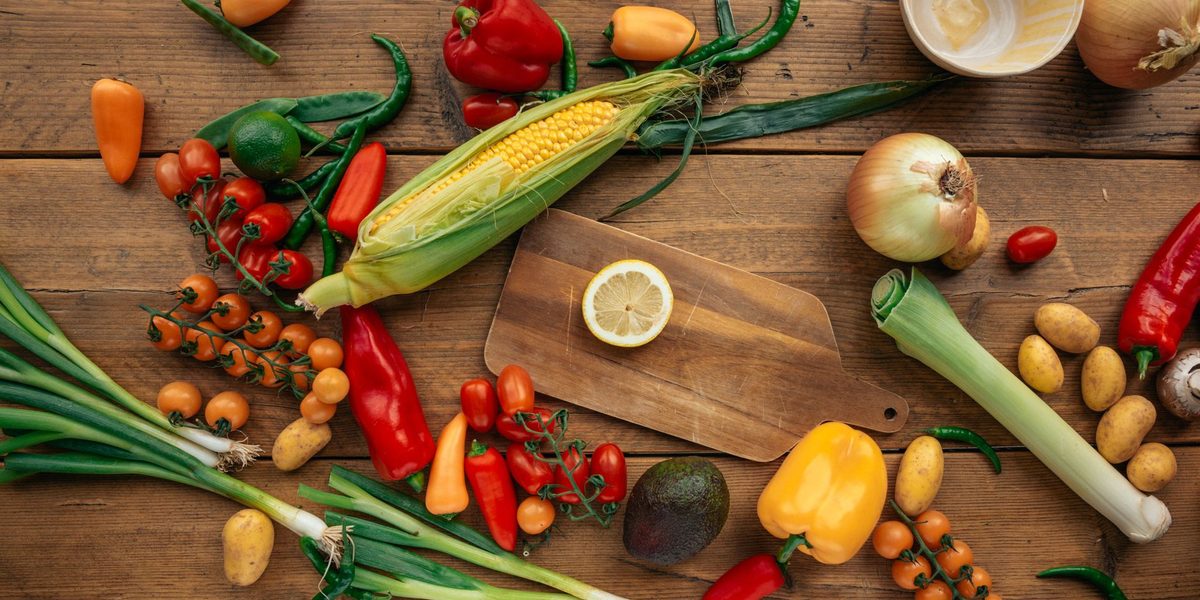
Side by side, in season, market produce wins the taste test decisively for a specific roster: tomatoes, strawberries and most berries, peaches and stone fruit, sweet corn, melons, and delicate greens. These crops lose the most from early picking and long storage, so short chains transform them. Add eggs and anything just-dug — new potatoes, spring onions — and you have the market's honest highlight reel.
For the sturdier half of the produce kingdom — onions, regular potatoes, cabbage, celery, winter squash, bananas obviously, citrus in most regions — the flavor gap shrinks toward zero. A storage onion is a storage onion, whether it rode in a farm truck or a freight container. The implication is practical: the market trip earns its time through the fragile, seasonal crops, and filling your market bag with the durable stuff is paying artisan prices for commodity goods.
Freshness also changes what happens after the shopping. Just-picked produce simply lasts longer at home — market greens that were cut yesterday outlive supermarket greens that spent a week in transit, even though both looked equally alive at purchase. For households that struggle to use vegetables before they turn, that extra runway quietly converts into less waste, which belongs in any honest price comparison alongside the sticker.
Price: More Honest Than Its Reputation, With Exceptions
The market's expensive reputation is only half true. At peak season, when growers are drowning in zucchini and tomatoes, market prices routinely meet or beat the supermarket — and end-of-day sellers discount rather than reload the truck. Seconds and “ugly” boxes, sold for canning and sauce, are among the best produce deals anywhere. Out of season, at boutique urban markets, or for anything with a specialty label, the premium is real and sometimes steep.
The supermarket's price advantage rests on scale and loss leaders, and it is genuine most of the year. It also offers the quiet economies the market cannot: one trip for everything, consistent stock, and no gambling on what a stall has left by ten o'clock. A household budget is better served by knowing when each venue is cheap than by loyalty to either. Timing sharpens the market's value further: arrive early for the best selection of the fragile crops, or arrive in the final hour for the best prices on whatever must not go home with the farmer, and accept that no single visit gets both.
The Myths on Both Sides
Honesty requires deflating both camps. Market myths first: local does not automatically mean organic, or pesticide-free — practices vary by farm, and the only way to know is to ask. Local also does not automatically mean nutritionally superior; freshness matters, but a supermarket vegetable eaten is better than a market vegetable idealized. And the market's charm can obscure ordinary quality problems — bruised fruit is bruised fruit, whoever sold it.
Supermarket myths next: uniform does not mean flavorless in every category, and the produce aisle's globalized supply chain is why anyone outside the tropics eats a banana at all. Year-round availability is a genuine achievement, dishonest only when it implies February tomatoes will taste like August ones. Both venues sell good and mediocre produce; they just fail in different, predictable directions — the market toward romance outrunning quality, the supermarket toward durability outrunning flavor. Knowing the failure direction is what lets a shopper inspect the right things at each one.
How to Split Your List
The workable strategy is a division of labor:
- Buy at the market, in season: tomatoes, berries, stone fruit, corn, melons, tender greens and herbs, eggs, new potatoes, and anything the grower picked that morning — the crops where freshness is the flavor.
- Buy at the supermarket: storage crops, staples, out-of-season needs, frozen backup, and everything on the list the week the market is rained out.
- Buy wherever it's cheap: peak-season gluts, day-end deals, and seconds boxes at the market; loss-leader specials at the store.
A rhythm many households land on: a market visit as the seasonal treat and menu-setter — let what looks best decide the week's cooking — with the supermarket as the reliable base layer underneath. That order matters; walking the market with a rigid list is how people leave disappointed, while walking it with an open menu is how it wins converts.
The Part That Isn't About Produce
An honest verdict should admit the market sells something the supermarket structurally cannot: a Saturday morning. The stroll, the samples, the same grower remembering you, the kids seeing that carrots come out of the ground — these are real goods, just not produce goods, and buying them with slightly dearer vegetables is a fair trade if you enjoy it. Money spent at a grower-only market also stays visibly close to home, which some shoppers weigh heavily and others do not. Neither impulse needs justifying; both belong outside the flavor-and-price ledger, priced honestly as what they are.
Final Thoughts
The farmers market versus supermarket question dissolves once you stop treating it as an allegiance and start treating it as an assignment problem. The market wins where short supply chains change the food itself — the ripe, the fragile, the just-picked, in their season — and as an experience worth having on its own terms. The supermarket wins on price, breadth, reliability, and the eleven months of the year when your region is not producing peaches. Shop both, each for what it is structurally best at, ask growers what they grew, chase the season instead of the aesthetic, and the only thing you will lose is the pleasure of feeling superior about where your tomatoes came from — which was never as tasty as the tomatoes anyway.