The buffet and the à la carte menu represent two entirely different theories of what a restaurant is for. One says: here is abundance, help yourself, eat until the decision is made for you. The other says: here is a kitchen's best work, one plate at a time, cooked when you order it. Each format has passionate defenders and each is regularly the wrong choice, often for reasons diners do not think about until they are standing over a steam tray of disappointment or staring at a bill that outran the portions. Here is the honest comparison, and the situations where each format genuinely earns your money.
The Economics Neither Side Advertises
Understanding either format starts with its business model. A buffet controls costs through scale and self-service: fewer servers, dishes produced in bulk, and a menu built around inexpensive, filling anchors — rice, pasta, potatoes, bread, salads — arranged attractively in front of the costlier proteins. The unlimited promise works because appetites are finite and because the layout gently steers you toward the cheap stuff first.
À la carte pricing runs the opposite direction: you pay separately for everything, portions are controlled to the gram, and the margins hide in drinks, sides, and desserts rather than in the entrée. Neither model is a scam; both are just machines for matching food cost to what you will pay. The practical insight is that each format punishes a different kind of diner — the light eater subsidizes everyone else at a buffet, while the hungry table of four watches an à la carte bill climb with every appetizer.
Food Quality: The Steam-Table Problem
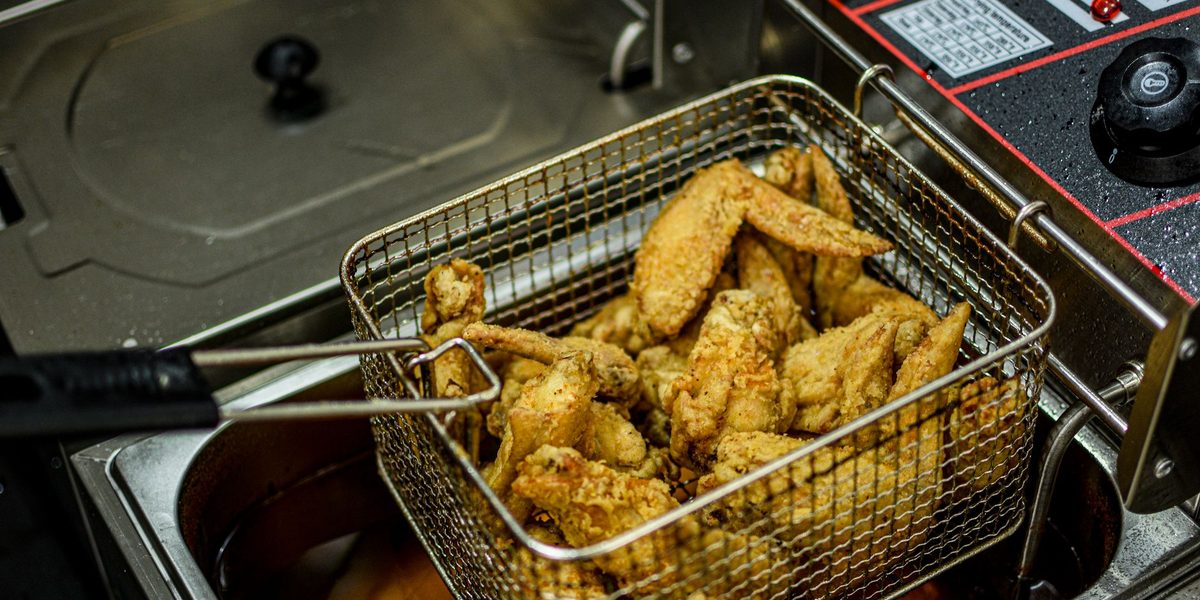
Here is the uncomfortable truth about buffets: holding food hot and safe is fundamentally at odds with holding food at its best. Fried things go limp, sauces skin over, vegetables slide from tender to sodden, and anything delicate — fish especially — deteriorates within minutes of hitting the tray. A buffet is not lying about its food; it is showing you the honest result of cooking for a tray instead of a plate.
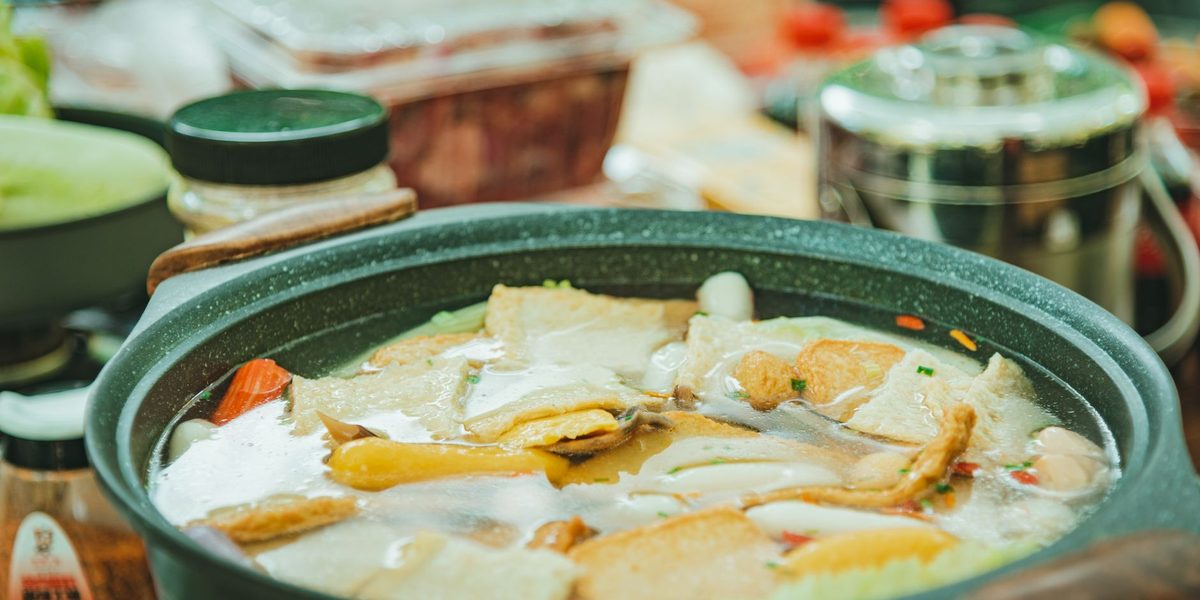
But the steam-table penalty is not evenly distributed, and this is where buffet skill comes in. Braises, curries, stews, roasted meats carved to order, and anything designed for long, moist heat actually survive — sometimes improve — under holding conditions. The best buffet strategy is simply to eat the dishes the format cannot hurt and skip the ones it visibly has. À la carte, by contrast, puts the kitchen's timing on display: the food arrives at its peak or its failure is obvious and fixable, because someone is responsible for your specific plate. For any dish where doneness and freshness are the whole point, the plated format wins and it is not close.
Value: What You Are Actually Buying
The buffet's value case is real but narrower than its fans claim. It wins clearly for big appetites, for variety seekers who want six small tastes instead of one commitment, and for groups whose members want wildly different things. It also sells certainty: one known price, no menu math, no bill anxiety. For families with hungry teenagers, that certainty alone can justify the format.
The case collapses for light eaters, for anyone who mostly wants one good dish, and for diners who fill up on the first cheap course out of habit. À la carte value works in reverse: it is the better buy when you know what you want, when quality matters more than quantity, and when you would rather have one excellent plate than five adequate ones. A useful honesty test: if you have ever left a buffet feeling that you had to overeat to break even, the format was already the wrong choice — value that requires discomfort to realize is not value.
Drinks deserve their own line in this ledger. Buffets often price beverages separately and steeply, clawing back margin the food surrendered, while à la carte restaurants have always done the same with wine and cocktails. Whichever format you choose, the drink order is where the real spread between a reasonable bill and a startling one usually lives, and water with dinner remains the most underrated value move in all of dining.
The Experience Gap
Formats shape the meal socially as much as gastronomically. A buffet fragments the table — people orbit the trays on their own schedules, conversations restart constantly, and the meal has no arc, just refills. For some occasions that fragmentation is a feature: kids can eat immediately, picky eaters serve themselves, nobody negotiates over a shared menu, and the awkward pause before ordering never happens.
À la carte gives the meal a structure — ordering, anticipation, courses, a shared rhythm — and keeps everyone at the table, which is why it remains the default for dates, celebrations, and any meal where the conversation is the point. It also provides service, which buffets quietly delete: someone to ask, someone to fix a problem, someone to bring the thing you forgot. Whether that is worth the tip and the wait is situational, but pretending the two formats deliver the same evening is not honest. There is also pacing to consider: a buffet meal is as fast as you want it to be, which suits a lunch hour perfectly and a lingering anniversary dinner not at all.
Where Each Format Genuinely Wins
The verdicts, by occasion:
- Buffet wins: breakfast (a format buffets are consistently good at), family meals with mixed ages and appetites, cuisines built on braises and curries, business lunches on a clock, and any group whose main requirement is that everyone finds something.
- À la carte wins: anything centered on a grilled, fried, or seared dish; dates and celebrations; small appetites; meals where you already know the one thing you want; and any kitchen whose skill is the reason you came.
- Judge case by case: hotel dinners, cruise-style spreads, and weekend brunches, where quality ranges from genuinely impressive to decorative.
How to Read a Buffet in Thirty Seconds
Since buffets vary more than plated restaurants, a quick quality read protects you. Look for turnover first: a busy buffet with small, frequently replaced trays beats a quiet one with vast, full ones, because crowd volume is what keeps food fresh. Look for cooking happening in view — a carving station, an omelet pan, anything made to order — since it signals a kitchen still doing kitchen work. Check the fried items: if they are crisp, the operation is paying attention; if they are bending, everything subtler is worse. And note the sneeze guards, plate temperature, and general fastidiousness, because visible care correlates strongly with the care you cannot see. A buffet that fails these checks is not a bargain at any price, and one that passes them all is usually a better meal than its unfashionable format suggests.
Final Thoughts
Buffet versus à la carte is not a quality ranking; it is a matching problem. The buffet is a machine for abundance, variety, and speed, at its best with braised and roasted food, big appetites, and groups that agree on nothing. The plated menu is a machine for precision, timing, and occasion, at its best when one dish matters and someone skilled is cooking it for you specifically. Pick the machine that fits the meal you are actually having, order the dishes each format is structurally good at, and both formats will treat you well. Expect either one to be the other, and you will pay full price for the wrong experience — which is the only genuinely bad deal in the whole comparison.