Every coffee brewing method has a devoted camp insisting it is the only way to make a proper cup, and every camp is at least a little bit wrong. The truth is that each method makes a different set of trade-offs between flavor, effort, cost, speed, and cleanup, and the right one for you depends far more on your mornings than on any abstract notion of coffee purity. Here is an honest accounting of the major brewing methods — what each genuinely does well, where the enthusiasm outruns the reality, and who should actually own each one.
What Actually Separates One Method from Another
Strip away the ritual and folklore and brewing comes down to a few variables: how finely the coffee is ground, how hot the water is, how long the two stay in contact, and whether the grounds are filtered out through paper, metal, or pressure. Paper filters produce a clean, bright cup because they trap oils and fine sediment. Metal filters let those oils through, which gives a heavier, richer body. Pressure extraction, the espresso approach, produces a concentrated shot with a texture nothing else can replicate.
That is really the whole game. Every method is a different arrangement of those variables, which means no method is objectively superior — but some are objectively more work, more expensive, or more forgiving than others, and that is where an honest comparison gets useful. It also means that most upgrade advice is aimed at the wrong target: switching methods changes the style of your coffee, while better beans and a better grind change the quality of it. Keep that distinction in mind and the rest of this comparison gets much easier to apply.
Automatic Drip: The Default for a Reason
The automatic drip machine is treated with mild contempt by coffee enthusiasts, and most of that contempt is misplaced. A drip machine that heats water to the correct temperature and disperses it evenly over the grounds produces a genuinely good pot of coffee with zero skill and zero attention. The weaknesses of drip are real but specific: cheap machines run water too cool, which makes weak, sour coffee, and a pot left on a hot plate turns bitter within half an hour.
The honest verdict is that drip is the best method for anyone who drinks more than two cups a day, shares coffee with a household, or refuses to think about coffee before consuming it. It is the least romantic method and the most practical one, and for most people practicality wins every single morning. If you go this route, the two features worth insisting on are a proper brewing temperature and a thermal carafe, and the feature least worth paying for is anything with a touchscreen. A basic machine that gets the fundamentals right will quietly outbrew a gadget-laden one for years.
Pour-Over: Maximum Control, Maximum Fuss
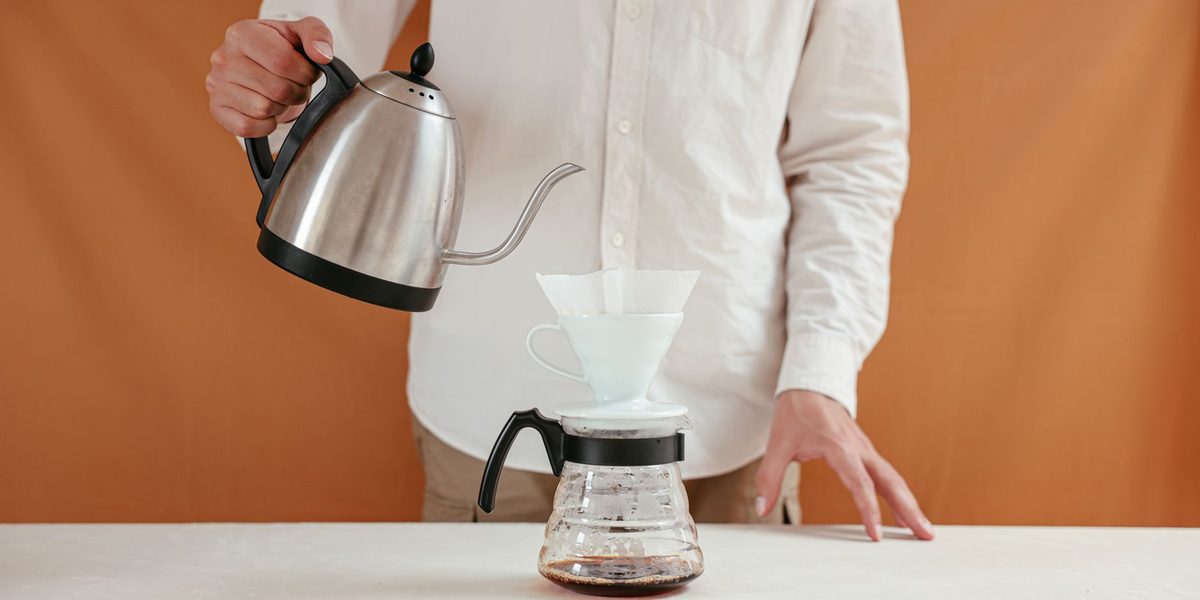
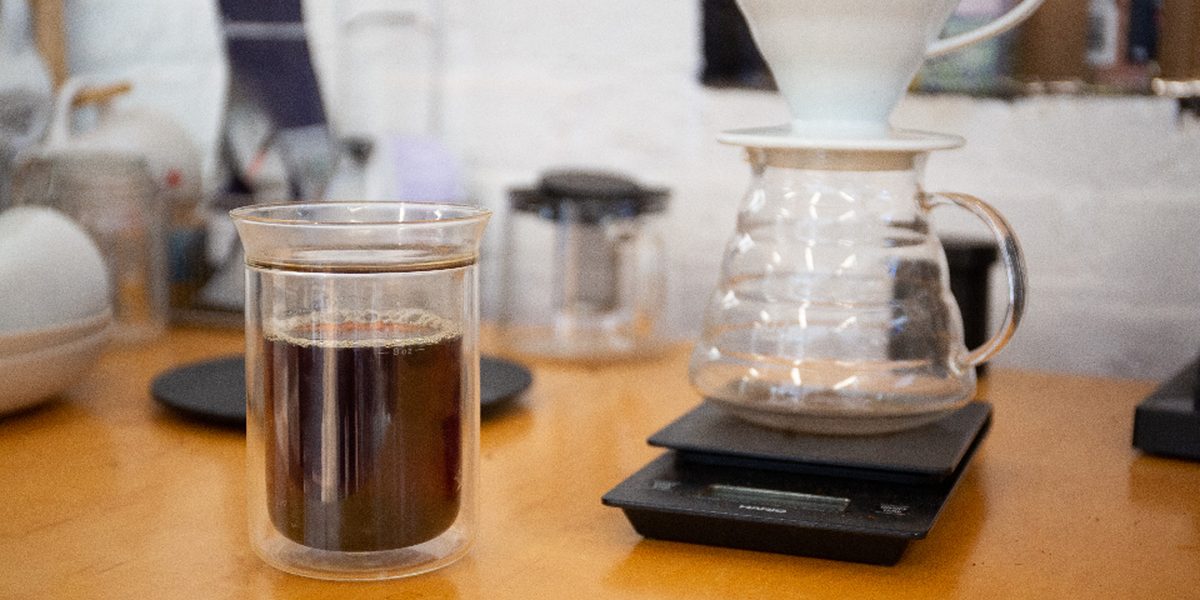
Pour-over brewing — a cone, a paper filter, and a slow, deliberate stream of hot water — produces the cleanest, most nuanced cup of any common method. When you use fresh, lightly roasted beans, a pour-over reveals flavors that a drip machine flattens. That part of the hype is true.
What the hype leaves out is that pour-over is a ten-minute, full-attention process that rewards precision and punishes carelessness. Pour too fast and the cup is thin; grind too fine and it turns bitter; wander off mid-pour and you are starting over. It also makes one cup at a time, which is charming on a quiet Sunday and infuriating on a Tuesday. Pour-over is worth it for people who genuinely enjoy the process and buy interesting beans. For everyone else it is a chore wearing a craft apron.
French Press: Big Body, Small Effort
The French press is the most underrated method for the effort involved. Coarse grounds, hot water, four minutes of waiting, one slow plunge — and you get a heavy, rich, full-bodied cup that makes drip coffee taste watery by comparison. There is no technique to master and nothing to plug in.
The trade-offs are sediment and cleanup. Because a metal mesh does the filtering, some fine grit always ends up in the cup, and people who like a clean, tea-like coffee will never make peace with it. Cleaning wet grounds out of the beaker is also genuinely annoying. Still, for anyone who likes bold coffee and hates fiddly equipment, the French press delivers the most flavor per unit of effort of any method on this list.
Espresso at Home: The Money Pit That Might Be Worth It
Home espresso is the method where honesty matters most. A real espresso setup is expensive, and the machine is only half of it — espresso demands a high-quality grinder, and without one even a costly machine makes mediocre shots. There is also a real learning curve; expect weeks of sour, bitter, or watery shots before you pull consistently good ones.
Here is the other side: if you drink milk-based espresso drinks daily and currently buy them out, a home setup can genuinely change your routine and eventually justify itself. Nothing else produces espresso — moka pots and concentrate hacks get close-ish, never all the way. The verdict: worth it only for daily latte and cappuccino drinkers who enjoy tinkering. If you mostly drink black coffee, an espresso machine is the most expensive way to complicate your morning.
The Dark Horses: Moka Pot and Cold Brew
Two methods deserve more attention than they get. The moka pot, the classic stovetop brewer, makes a strong, concentrated cup that stands up beautifully to milk, costs very little, and lasts decades. It is unforgiving of high heat and can turn bitter, but once you learn to pull it off the burner at the first gurgle, it is the best cheap route to an intense, espresso-adjacent drink.
Cold brew, meanwhile, is less a recipe than a patience test: coarse grounds steeped in cold water overnight, then strained. The result is smooth, sweet, and very low in acidity, and it keeps in the refrigerator for days, which makes it the only method that lets you brew once for an entire week. Its weakness is that it mutes the interesting flavors in high-quality beans, so use it with inexpensive coffee and save the good stuff for hot methods.
The Verdict, Person by Person
Match the method to the drinker and most coffee debates dissolve. Here is the honest short list:
- The multi-cup household: automatic drip, with a thermal carafe instead of a hot plate.
- The flavor chaser with time to spare: pour-over, paired with freshly ground light roasts.
- The bold-coffee minimalist: French press, and learn to live with a little sediment.
- The daily latte drinker: home espresso — but budget for the grinder or don't bother.
- The strong-coffee saver: a moka pot, kept on medium-low heat.
- The iced-coffee devotee: cold brew, made in batches on Sunday night.
Notice what is not on the list: any suggestion that one method should replace all the others. Plenty of serious coffee drinkers keep a drip machine for weekdays and a pour-over cone for weekends, and that combination covers nearly every situation for a modest total cost.
Final Thoughts
The genuinely honest answer to the brewing-method question is that freshness and grind quality matter more than the brewer itself. Freshly roasted beans ground just before brewing will make a humble drip machine outperform a neglected espresso setup every time. Pick the method that fits your patience and your mornings, spend the leftover money on better beans, and ignore anyone who tells you that your way of making coffee is wrong. If the cup makes you happy and getting there didn't ruin your morning, that is the whole point of the exercise.