The kettle is the most used appliance in millions of kitchens and the least examined. Households boil water several times a day for decades using whichever kettle history handed them — the whistling stovetop model inherited with the house, or the plastic electric jug bought in a hurry — without ever asking whether the other kind would serve them better. It is a small decision, but it is one you live with thousands of times, and the two formats genuinely differ in speed, control, cost, and charm. Here is the honest comparison, including the cases where the humble stovetop kettle still deserves to win.
Speed: Not Even Close, With One Exception
For the core job of turning cold water hot, the electric kettle wins decisively in most kitchens. An electric element sits directly in the water and transfers nearly all its energy into it, while a stovetop burner heats the kettle's base, the surrounding air, and eventually the water. On a standard electric stove, the difference is dramatic — an electric kettle typically boils in a fraction of the time. On gas, the gap narrows but persists.
The exception worth noting is induction, where a flat-bottomed stovetop kettle heats nearly as efficiently as an electric jug, making the race close enough that other factors should decide. And a caveat runs the other way for readers in regions with lower-voltage outlets, where electric kettles run somewhat slower than the legendary speeds tea-drinking countries take for granted — still faster than most stovetops, but less magically so. On pure speed, then: electric first, induction stovetop a respectable second, everything else a distant third.
Speed compounds in ways a single boil hides. A household that boils water four or five times a day recovers several minutes daily with the faster format, and — more practically — the electric kettle boils while every burner is occupied with dinner, which is exactly when a stovetop kettle has nowhere to go. Conversely, if your kettle use is one morning cup, the whole speed argument shrinks to a rounding error, and the other factors below deserve to decide.
Temperature Control: The Feature That Quietly Changed the Category
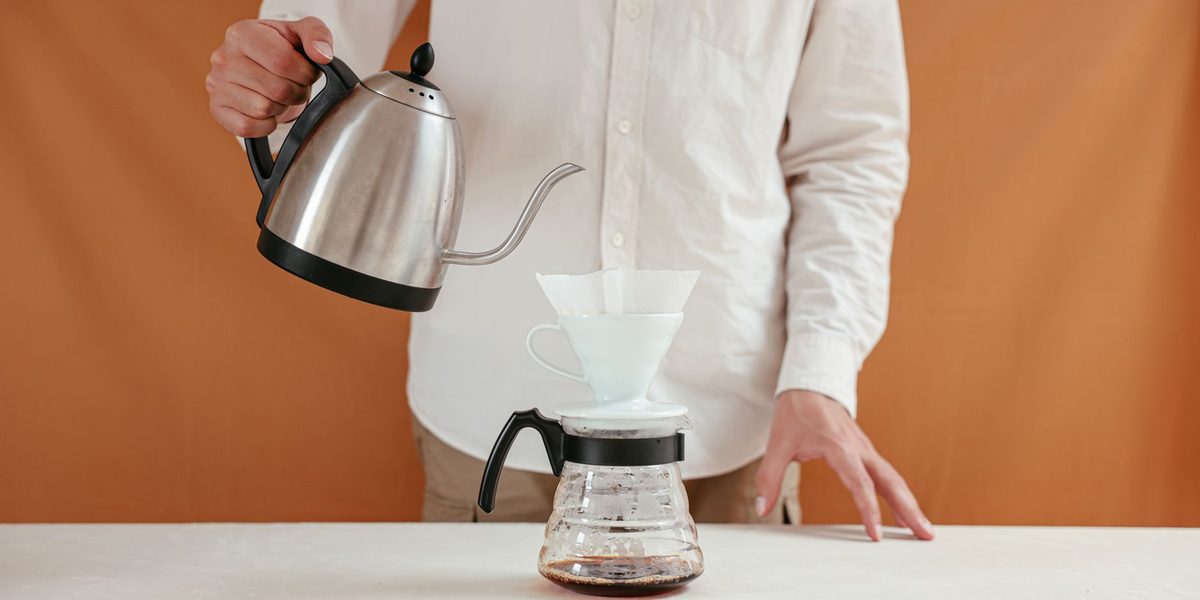
The strongest modern argument for electric is not speed but precision. Variable-temperature electric kettles hold water at specific temperatures, and that matters more than casual boilers realize. Green and white teas turn bitter when scalded and want water well below boiling; oolongs sit in between; delicate pour-over coffee has its own preferred range. Doing this on a stovetop means guesswork, thermometers, or the traditional method of waiting an indeterminate minute and hoping.
An honest counterpoint: for the many households whose hot water goes exclusively into black tea, instant coffee, French press, pasta water, and hot water bottles, a rolling boil is the only temperature that matters, and paying for precision buys nothing. Temperature control is transformative for the loose-leaf green tea drinker and the pour-over hobbyist, and decorative for everyone else. Know which kitchen you are before paying for the feature, and remember that the feature only helps if the person boiling actually uses it.
Durability and Lifespan: Where the Stovetop Bites Back
Here the old technology lands its best punches. A simple stainless stovetop kettle contains nothing that can fail: no element to scale up and burn out, no thermostat, no auto-shutoff switch, no lid mechanism with a plastic spring. Treated with minimal respect, it lasts for decades and often outlives the stove itself. Electric kettles, by contrast, are appliances, and they fail like appliances — elements scale and weaken in hard-water areas, switches wear, lids loosen — with the cheap ones lasting a couple of years and even good ones rarely promising a decade.
The maintenance story is shared but unequal: hard water scales both formats, and both want periodic descaling with vinegar or citric acid, but scale actively degrades an electric kettle's element and sensors while merely looking unsightly in a stovetop model. Households with very hard water and no descaling discipline will get along better with the format that shrugs it off. There is also a repair asymmetry: a stovetop kettle's only failure — a lost whistle cap or a worn handle — is trivially fixable, while a dead electric kettle is, in practice, a replaced electric kettle, which matters to anyone keeping score on waste.
Safety, Energy, and the Small Print
Safety tilts electric. Auto-shutoff means a forgotten kettle turns itself off, while a forgotten stovetop kettle boils dry over an open flame — the whistle exists precisely because the failure mode is serious. For households with distractible cooks, that single feature is close to decisive. Energy efficiency also favors electric in most homes, since so little heat escapes into the room, though the differences per boil are small enough that no one should choose a kettle as a financial strategy.
The small print runs both ways. Electric kettles occupy permanent counter space and an outlet, and the cheapest ones flavor water faintly of plastic until broken in — a reason to prefer steel or glass interiors. Stovetop kettles demand a free burner, which busy stoves do not always have, and their handles get genuinely hot on gas. None of these details decides the contest alone; together they explain why kitchens that seem similar end up loyal to different formats.
The Charm Question, Taken Seriously
It would be dishonest to pretend this is purely an engineering decision. The stovetop kettle earns real loyalty for reasons that have nothing to do with boil times: the whistle that announces tea to the whole house, the enamel colors that live handsomely on the stove, the ritual pace of a slower boil on a weekend morning. Kitchens are lived in, not benchmarked, and an object used five times a day is allowed to be loved. The electric kettle's charms are quieter — the click of the switch, the jug already hot before the toast is down — and skew practical. If one format simply makes you happier, that preference is worth more than thirty seconds of boil time, and no comparison chart should talk you out of it — an object this frequently used has earned the right to be chosen partly with the heart.
The Verdict by Household
- Electric, standard model: the default for most kitchens — fastest boil, safest failure mode, no burner occupied. Choose steel or glass over plastic interiors.
- Electric, variable temperature: the clear pick for green and white tea drinkers, pour-over coffee makers, and anyone steeping delicate things daily; a gooseneck spout if pour control matters.
- Stovetop: the right answer for induction cooktops, hard-water households that hate descaling, minimalist counters, anyone who distrusts appliances with switches, and everyone for whom the whistle is the sound of home.
- Both: not absurd — an electric jug for weekday speed and a handsome stovetop kettle for weekends is a common and defensible arrangement.
Final Thoughts
The honest verdict is that the electric kettle is the better tool for most kitchens most of the time — faster, safer, and, in its variable-temperature form, genuinely better for anything delicate — while the stovetop kettle survives on merits the spec sheet cannot see: near-immortality, zero counter space, and charm that compounds daily. Pick electric if boiling water is a task you want finished; pick stovetop if it is a small ceremony you want kept; and whichever you choose, descale it occasionally and fill it only as much as you need — the two habits that improve every kettle, in every kitchen, for free.