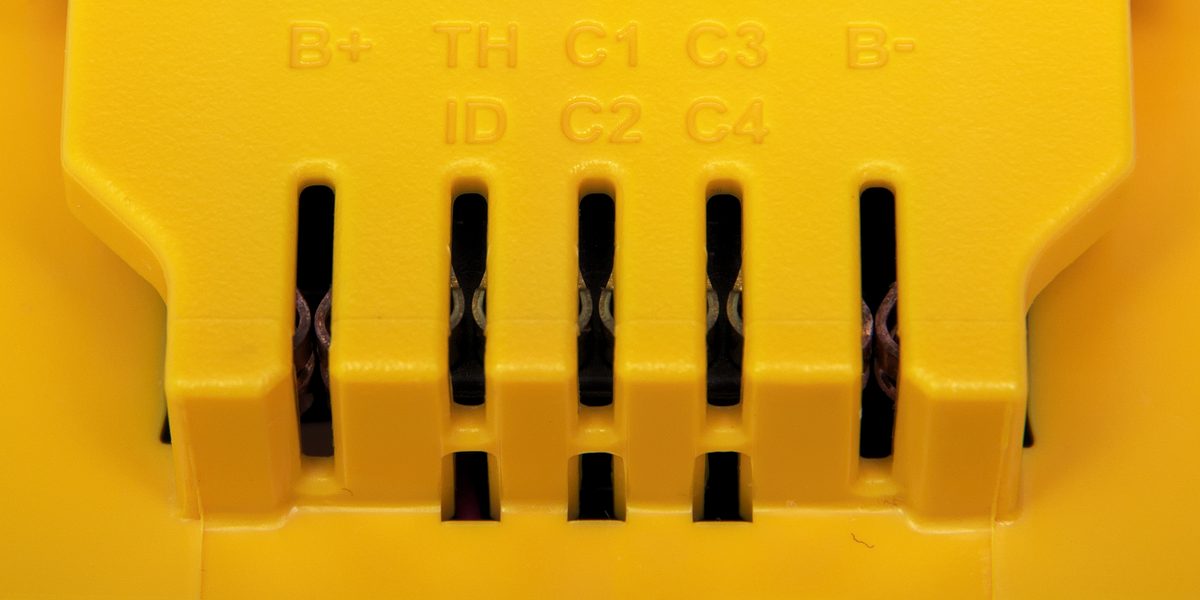
Ask anyone with a decade-old cordless drill what finally slowed it down and the answer is almost never the drill. The tool itself — motor, gearbox, chuck — often outlives two or three generations of the batteries that power it. Cordless tools have quietly become one of the most interesting long-term ownership stories in any workshop, because the thing you think you are buying (a drill, a saw, a driver) and the thing that actually determines your costs (a battery platform) are not the same purchase at all. This review follows cordless tools through years of ownership: what ages, what it costs, and how to keep a kit alive without feeding it money every season.
The Battery Is the Real Product
Modern lithium-ion packs age two ways at once. Cycle aging happens with use — every full charge and discharge wears the cells a little, and hard use in high-drain tools wears them faster. Calendar aging happens no matter what: the chemistry degrades slowly even in a drawer, which is why a pack that sat unused for years still comes back weaker. Owners notice the decline as shrinking runtime first, then as packs that charge fine but sag and cut out under load — the cells can still hold energy but can no longer deliver current.
Because the tool bodies last so long, your real long-term commitment is to a battery platform. Every additional bare tool you buy on one platform raises the cost of ever leaving it, and every battery you own is a consumable on its own quiet countdown. The smart ownership move is to buy tools on as few platforms as possible, own a couple of mid-size packs rather than one giant one, and treat battery purchases as routine maintenance rather than a betrayal by the manufacturer.
What Wears Out on the Tools Themselves
Tool bodies age slowly but not invisibly. On drills and drivers, the chuck is the classic first failure: jaws stop centering bits, or the chuck develops wobble that ruins precise work. Older brushed motors wear their carbon brushes down over years of use — a cheap, user-replaceable part on many models, and a repair that resurrects a seemingly dead tool. Brushless motors removed that wear item entirely, trading it for electronics that rarely fail but are uneconomical to fix when they do.
Beyond that, the wear list is mundane: trigger switches get flaky from dust and use, gearbox grease dries out, rubber overmolds peel, and battery contacts loosen from thousands of insertions. Saws add their own items — worn blade clamps, tired shoe adjustments — and impact tools eventually pound their anvils and sockets loose. Very little of this is sudden. Tools telegraph their decline for months, which gives an attentive owner time to repair on schedule instead of mid-project. A chuck that needs two tries to grip, a trigger that stutters at low speed, a new whine under load — each is an order form for a cheap part, delivered well before the tool actually quits.
Storage and Charging Habits That Add Years
The gap between a battery that dies young and one that serves for many years is mostly habits, and none of them are difficult.
- Store packs partially charged, not full and not empty. Sitting at full charge accelerates calendar aging; sitting empty risks dropping below the level where the pack will accept a charge at all.
- Keep batteries out of temperature extremes. A freezing garage or a baking truck box is the fastest way to age cells without using them. Charge them indoors, at room temperature.
- Take packs off the charger eventually. Quality chargers stop on their own, but living on the charger keeps packs at full charge — see the first point.
- Blow the dust out. Motor vents clogged with sawdust make tools run hot, and heat is the universal enemy of both electronics and cells.
- Rotate your packs. Two batteries sharing the work each see half the cycles, and you always have a spare when one finally dies.
None of this requires discipline beyond a shelf indoors and an occasional glance at the charge gauge, and it routinely doubles the useful life owners get from a pack.
Cost Per Project: The Honest Math
Cordless convenience carries a subscription you never signed. A corded drill from a generation ago still runs today for the cost of an outlet; a cordless kit needs new packs on a rolling basis, and replacement batteries often cost a large fraction of what a whole promotional kit costs — a pricing structure that nudges people into buying yet another kit and abandoning orphaned tools. Resist the nudge and run the numbers instead: a quality bare tool plus batteries amortized over years of projects is cheap, but only if you stay on one platform and keep buying bare tools instead of redundant kits.
For occasional users, the math sometimes points somewhere unfashionable: corded tools for the stationary work (sanders, circular saws used at a bench) and cordless only where mobility genuinely matters. The corded tool's batteries never die, because it never had any.
It also pays to size packs to jobs. Running a small trim driver from a huge high-capacity pack wastes nothing, but running a high-drain saw from a small pack strains the cells, heats them, and ages them fast. Matching the pack to the tool's appetite is free durability — and one more argument for owning two medium batteries instead of one extreme in either direction.
Repair or Replace: Where the Line Falls
Cordless tools are unusually repair-friendly if you know which failures are which. Brushes, chucks, trigger switches, and battery terminals are inexpensive parts with abundant repair guides, and replacing them on a quality tool is nearly always worth it. Gearboxes and motors sit in the middle — worth repairing on premium tools, rarely on budget ones. Electronics failures on brushless tools and cracked housings usually tip the scale to replacement.
Batteries deserve their own rule: replace, do not revive. Packs that cut out, swell, rattle, or heat up abnormally are done, and aftermarket rebuilds of unknown provenance introduce risks that a workshop does not need. Buy reputable replacement packs, recycle the dead ones properly — most hardware stores take them — and move on.
Buying the Next Kit With Aging in Mind
Once you have watched a platform age, the checklist for the next purchase changes. Pick the platform first and the tool second, favoring ecosystems with a deep catalog of bare tools and a history of keeping old battery interfaces alive — platform longevity is worth more than any single tool's specs. Prefer brushless motors for anything used hard, since they remove the main wear item. Check that batteries, chucks, and switches are available as parts before you buy, because a tool with no parts channel is disposable by definition. And be skeptical of holiday-season combo kits stuffed with tools you will never charge; five tools sharing two batteries age better than nine tools starving on the same two.
Final Thoughts
A cordless kit is a small fleet, and fleets reward managers. The tools themselves are honest machines that wear slowly and repair cheaply; the batteries are consumables that age whether you use them or not; and the platform decision you make on day one echoes through a decade of purchases. Store packs half-charged and indoors, fix the cheap parts when they wear, stay loyal to one battery interface, and your cost per project keeps falling every year you own the kit. Treat batteries as forever and tools as disposable — the common instinct — and you will pay for the same fleet several times over.