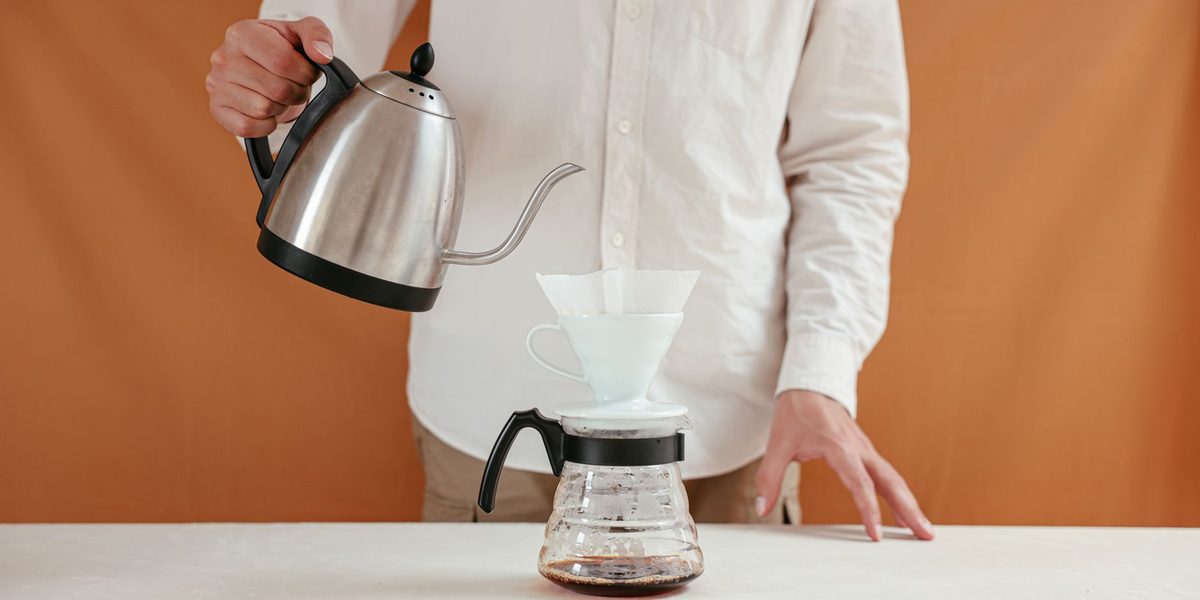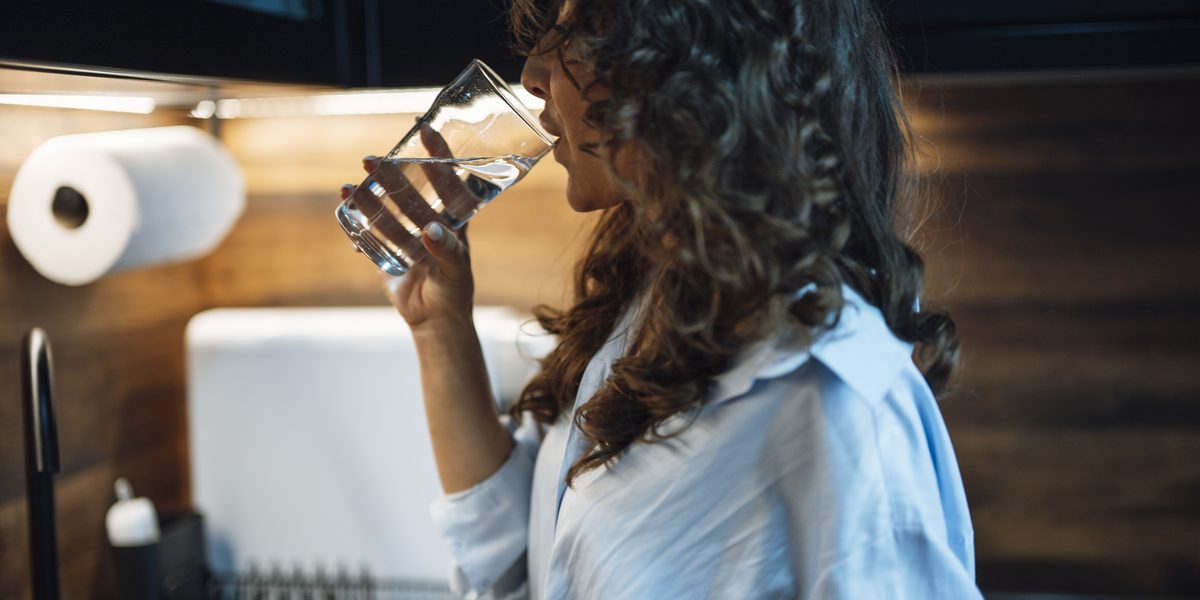
Somewhere between the first case of canned sparkling water and the fourth, most fizzy-water households have the same thought: surely it would be cheaper to just make this at home. The countertop carbonation machine promises exactly that — endless bubbles, no cans to haul, a smug reduction in recycling. Whether it delivers depends on math the marketing glosses over and on a few honest questions about how you actually drink. Having weighed the machine against the store shelf from every angle, here is the real verdict on who should buy one, who should not, and the middle cases nobody warns you about.
How the Machines Actually Work
Every mainstream home carbonator is the same idea in different plastic: a refillable cylinder of pressurized carbon dioxide, a bottle of cold water, and a mechanism that injects the former into the latter. There is no filtration, no flavoring, no magic — the machine turns your tap water into your tap water with bubbles. That simplicity is a strength: little breaks, nothing needs power in most models, and the routine takes seconds.
It also frames the first honest caveat: if you do not like the taste of your tap water flat, you will not like it sparkling. Carbonation sharpens water's flavor rather than masking it, because carbonic acid brightens whatever minerals and off-notes are already there. Households with unloved tap water need a filter pitcher in the workflow, which adds cost and a step to the fantasy of effortless fizz. The machines also differ less than their price tags imply: the premium models buy nicer materials, quieter operation, and sometimes glass bottles, but the carbonation itself — gas meeting cold water — is identical up and down the range, which makes the entry-level machine the rational default for a first purchase.
The Cost Math, Done Honestly
The machine's economics hinge on one number: how much sparkling water you actually drink. The hardware itself is a modest one-time cost, and each cylinder swap carbonates dozens of liters for roughly the price of a single case of premium canned water. Per liter, home carbonation lands at a small fraction of store-bought — that part of the pitch is simply true.
The honest complications sit around the edges. Cylinder exchanges require either a trip to a participating store or a shipping swap, and the spare-cylinder habit that avoids outages means owning two. Flavor syrups and fruit essences, if you go that route, erode the savings quickly. And the payback period only exists if the machine stays in use; a carbonator that retires to a cabinet after two months is the most expensive water you ever drank. The break-even question is really a habit question: households drinking several liters of sparkling water a week recover the cost quickly and save meaningfully forever after, while the occasional-can household never does.
Fizz Quality: The Part Enthusiasts Argue About
Can a home machine match the bubbles of a good bottled sparkling water? Mostly, with technique — and the technique matters more than the machine. Carbon dioxide dissolves far better in very cold water, so bottles stored in the refrigerator and carbonated straight from it fizz dramatically better than room-temperature attempts. Pressing for multiple short bursts rather than one timid one raises the carbonation level to genuinely aggressive, throat-prickling territory. Done right, home fizz stands next to anything from a can.
Two honest differences remain. First, mineral character: the celebrated bottled waters taste the way they do because of their source minerals, not their bubbles, and no machine gives tap water that. Second, persistence: home-carbonated water tends to lose its edge a little faster once opened, so it rewards drinking soon after making. Neither difference matters for daily-glass purposes; both matter to the person who genuinely savors a particular mineral water, who will not be fully replaced out of a plastic bottle. A workable compromise for that person: use the machine for everyday volume and keep the treasured bottles for the moments that deserve them, which is also how the math works out best.
Convenience, Clutter, and the Can-Hauling Question
The lifestyle case for the machine is at least as strong as the financial one. A sparkling-water household runs through astonishing volumes of cans and bottles, and every one of them was carried into the house and carried back out as recycling. The machine deletes that entire logistics chain: no pallets in the garage, no crushed-can smell, no running out on a Sunday. For apartment dwellers without cars, this alone can justify the purchase.
The costs on the other side of the ledger are small but real. The machine occupies permanent counter space. The proprietary bottles need hand-washing in most cases and have replacement schedules. Cylinder swaps are a chore you now own. And there is a formats gap: the machine produces plain sparkling water on demand, but it does not replicate the grab-a-cold-can moment — you drink what you made, when you made it, or you bottle and chill it yourself. None of this is disqualifying; all of it belongs in the decision.
The environmental argument, often the deciding nudge, is directionally honest: one refillable cylinder replaces hundreds of single-use containers, along with the trucking that moved them. Just apply the same skepticism here as with the money — the greenest can is the one never manufactured, but only if the machine genuinely replaces the cans rather than joining them in the kitchen as a second, parallel habit.
Who Should Buy One — and Who Shouldn't
The verdict sorts cleanly by household type:
- Buy one without hesitation: households drinking a liter or more of plain sparkling water daily; former soda drinkers using fizz to stay off the sweet stuff; anyone tired of hauling cases; cocktail enthusiasts who value unlimited fresh soda water.
- Probably skip it: occasional drinkers who go through a can or two a week; devotees of one specific mineral water; households with bad-tasting tap water and no willingness to filter; kitchens where counter space is already a war zone.
- Borderline: flavored-sparkling loyalists — the machine makes the water, but recreating beloved can flavors at home is hit-and-miss, and syrup costs add up. Try a citrus-and-bitters phase before deciding.
Getting the Most Out of One
If you do buy, a few habits separate the delighted owners from the regretful ones. Keep two bottles in the refrigerator at all times so cold water is always ready to carbonate. Carbonate harder than feels polite — most disappointment is under-fizzing. Keep a spare cylinder and swap on a schedule rather than at the moment of failure. Flavor with real things — citrus, cucumber, a splash of juice, a dash of bitters — rather than syrup collections that colonize a cabinet. And put the machine where you pour drinks, not where storage logic suggests, because in-sight equals in-use, and in-use is the entire economic case for owning one at all.
Final Thoughts
The honest verdict on sparkling water makers is that they are one of the rare kitchen gadgets whose value is real but strictly conditional. For the heavy fizzy-water household, the machine is a clear win: dramatically cheaper per glass, endlessly convenient, and better than cans once the cold-water habit sets in. For everyone else, it is a countertop monument to an aspiration. The question to answer is not whether the machine is good — it is. The question is whether your sparkling water habit is a daily fact or a fond idea, because the machine only pays for itself in the first kind of house.