Somewhere in every supermarket aisle, a shopper is standing between two nearly identical packages, wondering whether the cheaper one is a smart saving or a false economy. The store-brand question inspires strong opinions and surprisingly little honesty: brand loyalists insist you get what you pay for, while bargain evangelists claim everything is made in the same factory anyway. Both camps are partly right and partly wrong. Here is a clear-eyed look at where store brands genuinely match the name on the fancier label, where they quietly fall short, and how to tell the difference without buying two of everything.
The Same-Factory Theory, Examined Honestly
The most repeated claim in this debate is that store brands are simply name-brand products in cheaper packaging. Sometimes that is true: plenty of private-label goods are produced by the same manufacturers that make branded versions, because those companies have the factories and the spare capacity. But “same factory” does not automatically mean “same recipe.” A manufacturer can run a retailer's specification on the same lines with cheaper inputs, different ratios, or looser tolerances.
The honest framing is this: store brands range from literally identical to noticeably inferior, and the label tells you nothing about which you are holding. What does tell you something is the category — because some foods are hard to make badly, and others are hard to make well.
Where Store Brands Are Essentially Identical
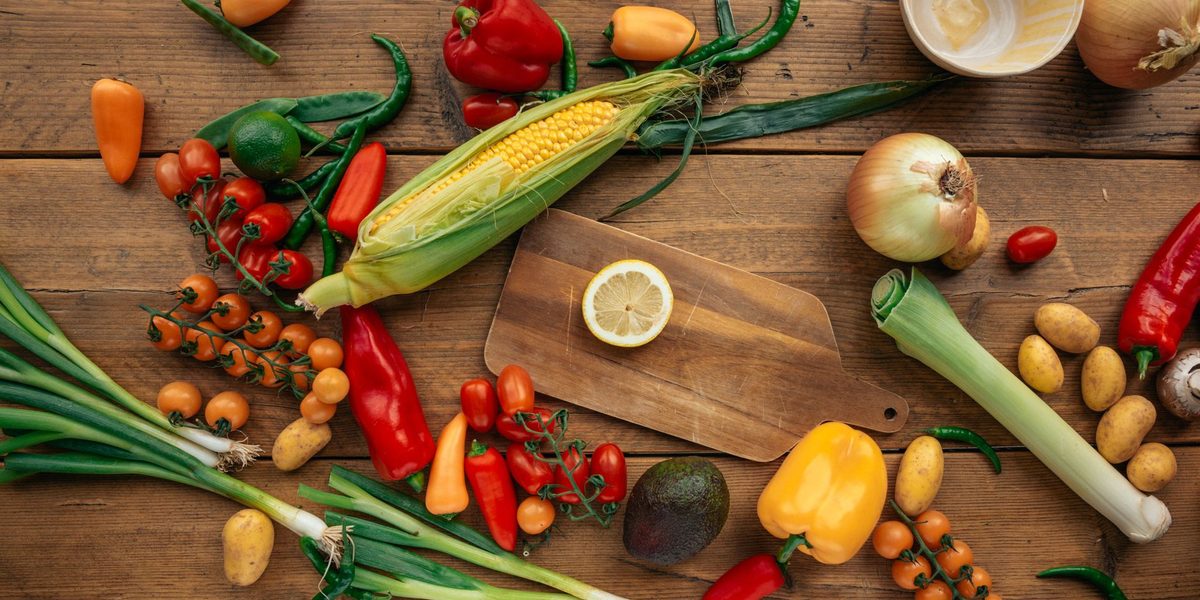
Start with the easy wins. Commodity staples — products with one or two ingredients and a standardized production process — leave almost no room for a brand to add value. Sugar is sugar. The same logic covers a long list:
- Baking basics: flour, sugar, salt, baking soda, cornstarch, and plain oats.
- Canned staples: beans, plain tomatoes, corn, pumpkin, and broth for everyday cooking.
- Frozen basics: plain fruits and vegetables, which are graded and processed to similar standards.
- Dairy fundamentals: milk, butter, plain yogurt, and standard shredded cheese.
- Pantry hardware: rice, dried pasta, plain nuts, honey, and cooking oils for high-heat use.
- Medicine-cabinet adjacents: bottled water, plain sparkling water, and basic teas.
In these categories, paying extra for a name is mostly paying for advertising. If you switch nothing else in your cart, switching these will capture the majority of the available savings with essentially zero downside.
Where Name Brands Often Earn Their Premium
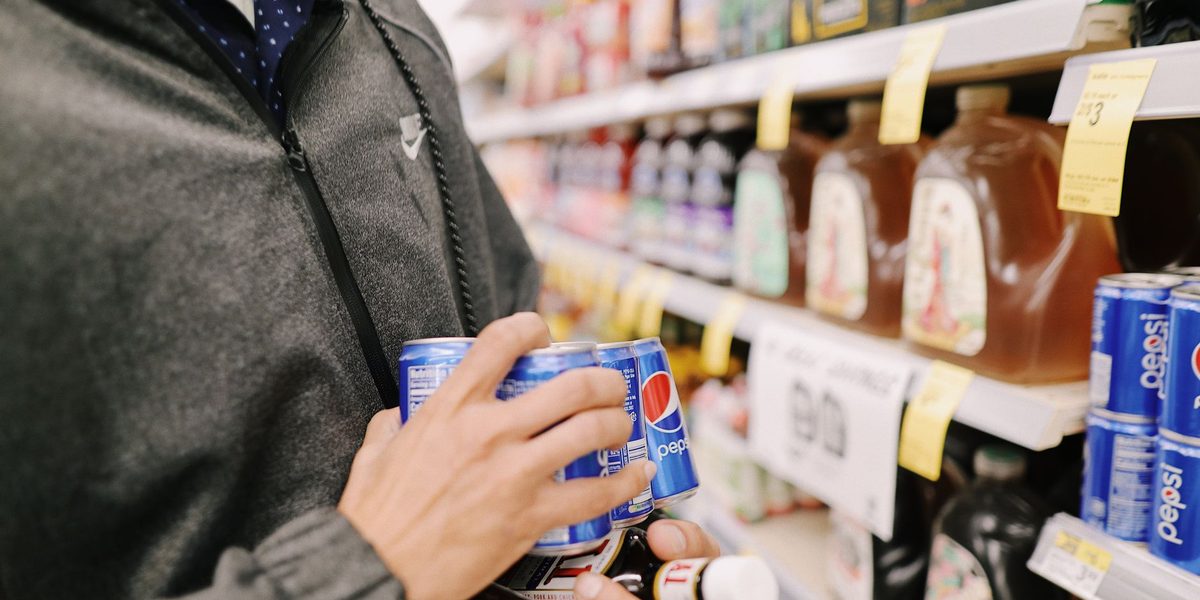
The picture changes when a product depends on a proprietary recipe, a texture that is difficult to engineer, or a flavor you have eaten your whole life. Snack foods are the classic case: the branded cracker or chip often has a specific crunch and seasoning balance that imitations approximate but rarely nail, and because you eat these foods for pleasure rather than as ingredients, the difference actually matters. Soda and candy follow the same rule — the flavor is the entire product, and close is not the same.
Condiments are another honest exception. Ketchup, mayonnaise, and certain sauces are emulsions and reductions where small formulation choices change everything, and many people can identify their preferred version blind. Coffee and chocolate reward the upgrade too, though the meaningful jump is often from mainstream brands to genuinely better sourcing rather than from store brand to name brand. And in a handful of categories — trash-adjacent items like plastic wrap aside, staying with food — premium pasta with a rough extruded texture, good canned fish, and aged cheeses deliver differences you can taste in the finished dish.
The Categories Where It's Genuinely a Coin Flip
Between the sure things and the worthwhile splurges sits a wide middle: cereal, sandwich bread, peanut butter, jarred pasta sauce, ice cream, cheese slices, frozen pizza, and cookies. In these categories, quality varies more between individual products than between the store-brand and name-brand tiers as a whole. Some private-label ice creams embarrass the famous cartons; some are frozen disappointment. Some store-brand pasta sauces taste homemade; others taste like sweetened tomato paste.
The only reliable strategy here is the one-purchase experiment: buy the store brand once, serve it without comment, and see whether anyone notices. If nobody does, the saving is permanent. If someone does, you have spent a small amount of money to learn something true about your household, which is a better outcome than either blind loyalty or blind thrift. Run one experiment per shopping trip rather than overhauling the whole cart at once, and the process never feels like deprivation — it just feels like paying attention.
Read the Package, Not the Reputation
A few label habits settle most debates in the aisle. First, compare ingredient lists: when the store brand lists the same ingredients in the same order as the name brand, the products are usually close cousins. When the cheaper version leads with water, fillers, or a different fat, expect a different product. Second, compare the unit price rather than the shelf price, because packages are sized to confuse and the cheaper-looking option is not always cheaper per serving.
Third, check the details that predict quality in that specific category — cut size and firmness for canned vegetables, fat percentage for dairy, whether cheese is made from milk or from oil and starch. None of this takes more than a few seconds once it becomes habit, and it converts the store-brand question from a matter of faith into a matter of reading.
The Psychology That Costs You Money
It is worth being honest about why this decision feels harder than it is. Decades of advertising have attached feelings — trust, nostalgia, safety, family — to specific packages, and those feelings do not evaporate at the shelf. Many people would fail a blind taste test on products they swear by, and the knowledge that something cost more measurably improves how it tastes to us. That is not a character flaw; it is how brains work.
But it does suggest a rule: reserve brand loyalty for products where you have actually confirmed the difference with your own mouth, ideally without knowing which was which. A household that is loyal to five confirmed favorites and indifferent about everything else gets nearly all the pleasure of brand loyalty at a fraction of the cost of extending that loyalty across the whole cart.
A Sensible Default Strategy
Pulling it together, the honest playbook looks like this: default to store brands for staples, ingredients, and anything that disappears into a recipe. Pay up, without guilt, for the handful of finished foods where flavor is the whole point and you know you can tell the difference. Run cheap experiments in the coin-flip middle, and let the results — not the packaging — decide. Revisit your choices occasionally, because private-label quality has broadly improved and a product that disappointed you years ago may have been reformulated since.
This approach typically trims a meaningful slice off a grocery bill while changing almost nothing about how meals actually taste, which is the entire goal. It also scales gracefully: a household can adopt it one aisle at a time, starting with baking staples and canned goods, and expand only as far as its taste buds allow.
Final Thoughts
The store-brand question does not have a single answer, but it does have an honest one: the price gap between tiers is mostly real in some aisles and mostly imaginary in others, and the shopper who knows which aisles are which holds all the cards. Buy the cheap flour and the cheap canned tomatoes with total confidence. Keep the condiment you would recognize blindfolded. And whenever you are unsure, remember that the most expensive item in the store is the premium you pay out of habit for a difference you have never actually tasted.