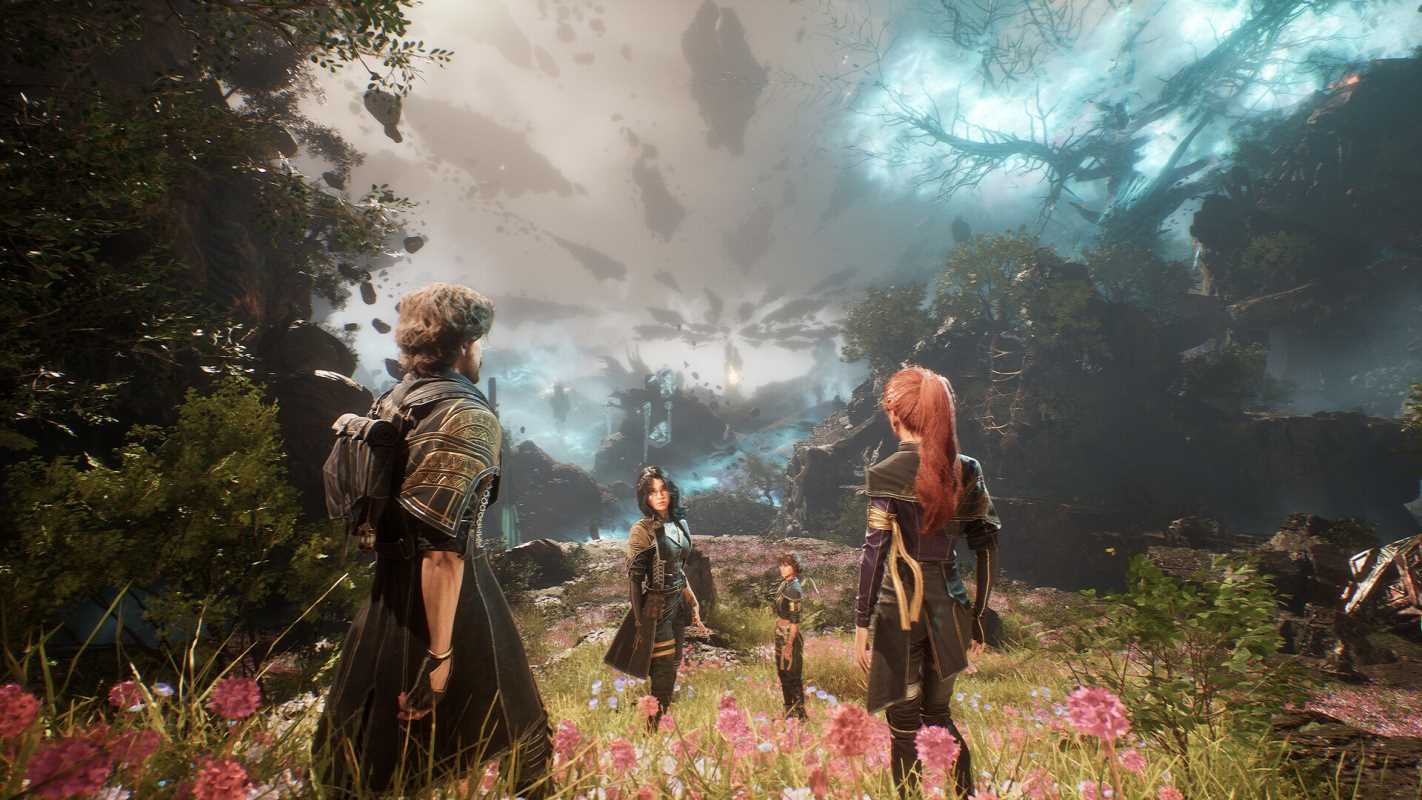
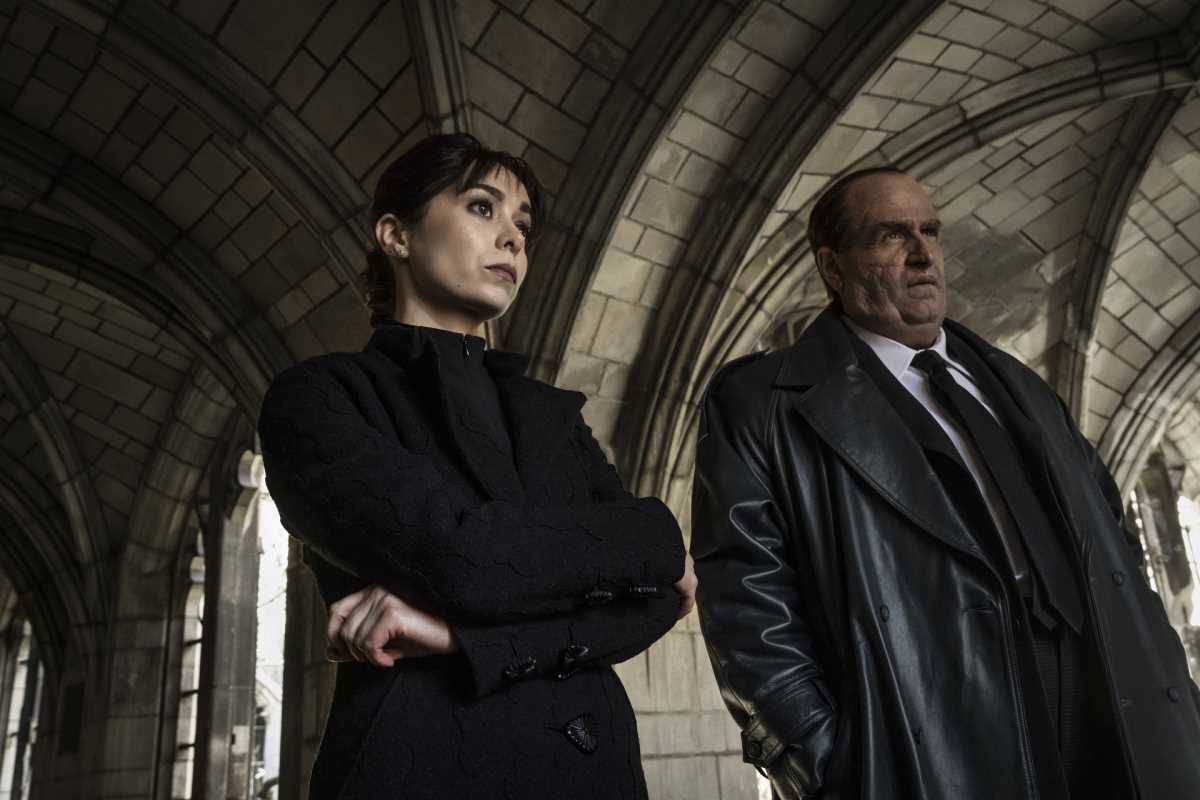
.png) (Image source: Gemini)
(Image source: Gemini) Let's be honest for a second. When the first season of Fallout dropped back in 2024, most of us were holding our breath. We’ve all seen what happens when Hollywood tries to turn a beloved video game into a prestige TV show. Usually, it's a disaster. But somehow, the showrunners managed to capture that specific blend of 1950s optimism and post-apocalyptic gore that makes the series so unique. It was funny, it was gross, and it actually had something to say about corporate greed.
So, here we are in early 2026, and the second season has just finished its weekly run on Prime Video. The big question on everyone's mind isn't just whether it was good, but where the wasteland goes from here. Season one set a massive bar, and season two had the unenviable task of following it up while navigating some of the most sacred lore in the entire franchise.
The challenge for any sequel is finding that sweet spot between giving fans what they want and actually moving the story forward. You can't just keep doing "Vault Dweller out of water" jokes forever. You need evolution. Season two had to prove it could survive outside the shadow of its own successful debut. It had to take the pieces left on the board, like the cold fusion reveal and the trek toward New Vegas, and turn them into a narrative that felt necessary rather than just a victory lap.
Analyzing the Season One Ending and the Stage for Conflict
If you remember the way things ended in that first batch of episodes, you know the stakes were shifted completely. We weren't just looking for a missing dad anymore. Lucy MacLean found out her father was a corporate war criminal. Maximus got a taste of real power within the Brotherhood of Steel. And The Ghoul, our favorite undead gunslinger, finally got a lead on his long-lost family.
The reveal of cold fusion changed the entire power dynamic of the wasteland. Suddenly, there’s a way to actually bring the world back to life, but who gets to hold the switch? That’s the central tension that season two had to resolve. It’s not just about surviving a radroach attack anymore. It’s about the soul of what’s left of America.
The show stayed true to its dark comedy roots while upping the dramatic ante. You still got those moments of absurd violence, but they were grounded in a world that felt more dangerous than ever. The transition from the sunny, albeit ruined, California coast to the harsh Mojave Desert wasn't just a change of scenery. It was a tonal shift that signaled the honeymoon phase of the show was officially over.
The New Vegas Question and Creative Freedom
Everyone was waiting for New Vegas. It’s the holy grail of the game series, and seeing those lights on the horizon at the end of season one sent the internet into a frenzy. But when we finally got there in season two, it wasn't exactly the bustling hub of sin we remembered from the 2010 game. The showrunners made a choice that was bound to ruffle some feathers: they depicted the Strip in a state of total collapse.
Instead of a functioning city, we found a dark, ruined shell that had become a massive Deathclaw nest. It was a bold move. You might have wanted to see the Ultra-Luxe in all its glory, but the show opted for a more haunting reality. This is 2296, fifteen years after the events of the New Vegas game, and things have gone south.
The biggest hurdle was the "canon" problem. Since the game has four different endings, which one did the show choose? They went with what they called the "Fog of War" approach.¹ Instead of picking a winner between the NCR, Caesar's Legion, or Mr. House, the show suggests that everyone basically lost. The subsequent chaos led to a universal collapse, leaving the Mojave a lawless graveyard. It’s the narrative equivalent of a "soft reset," allowing the writers to tell a fresh story without being handcuffed to a player's choice from fifteen years ago.
Character Arcs That Demand Attention
Watching Lucy’s transformation has been one of the best parts of the show. She started as a naive girl who thought "okey-dokey" could solve any problem. In season two, we saw her become a hardened survivor. She’s still got that moral compass, but she’s learned when to put it in her pocket. Her journey to find her father in the ruins of the Lucky 38 was less about a daughter’s love and more about a reckoning.
Then you have Maximus. His arc is a bit more tragic. He’s walking a moral tightrope while leading a fracturing Brotherhood of Steel. Is he going to be the reformer the Brotherhood needs, or is he just going to become another tyrant in power armor? The show doesn't give you easy answers. You see him struggling with the weight of leadership, and it makes you wonder if anyone can actually stay "good" once they have that much firepower.
And of course, there’s The Ghoul. Season two gave us much more of Cooper Howard’s backstory, showing us exactly how he went from a Hollywood star to a bounty hunter with a hole where his nose used to be. His role as a mentor to Lucy is fascinating because he’s not a hero. He’s a guy who’s seen the world end twice and has the scars to prove it. His mission to find his family provided the emotional core that kept the show from feeling like just another action romp.
Narrative Pitfalls in Season Two
It wasn't all smooth sailing, though. One of the biggest complaints from critics at outlets like IGN was the pacing.⁶ The shift to a weekly release format between December 2025 and February 2026 really highlighted some of the "travel narrative" flaws. Sometimes it felt like characters were teleporting across the Mojave just to make it to the next plot point. When you’re watching one episode a week, you notice those inconsistencies more than when you’re bingeing the whole thing in a weekend.
There’s also the "fan service" trap. We saw Novac, we saw the dinosaur, and we saw the ruins of Primm. Although these locations looked incredible, they sometimes felt like checkboxes on a list rather than needed parts of the story. It’s a fine line to walk. You want the fans to cheer when they see a familiar landmark, but you don't want the plot to stop dead just so someone can point at a piece of lore.
Another danger is the power creep. With cold fusion and the Brotherhood getting more aggressive, there’s a risk of the world becoming too "safe" or too advanced. The best parts of Fallout are when things are duct-taped together and barely working. If everyone starts flying around in pristine vertibirds with unlimited power, the "wasteland" starts to lose its edge.
Confident Predictions for the Future of Fallout
Despite the pacing issues and the divided opinions on the state of New Vegas, season two was a massive success. It maintained a 92% on Rotten Tomatoes for a reason.⁵ It took risks. It didn't just give us a live-action remake of a game we’ve already played. It expanded the world and deepened the conspiracy involving Vault-Tec and the Enclave.
The reveal that Justin Theroux’s Robert House is actually a digital AI upload was a masterstroke. It keeps the character's genius and ego in the mix without needing to deal with his physical body. It also sets up a terrifying dynamic for the future. If House and the Enclave are the "unseen investors" behind the Great War, then our heroes aren't just fighting raiders. They’re fighting the architects of the end of the world.
As we look toward season three, which is reportedly moving the action toward the Colorado Rockies, the stakes couldn't be higher. The show has proven it can handle the lore, the characters, and the tone. The lasting appeal of the Fallout universe is its ability to find hope in the middle of a nuclear winter. As long as the showrunners keep focusing on the people inside the power armor rather than just the armor itself, we’re in for a hell of a ride.
Sources:
1. Reddit - Fallout Season 2 Narrative Challenges
2. The Guardian - Fallout Season Two Review
3. IGN - Fallout Season 2 Ending Explained
Content on OverReviews is for informational and educational purposes only. Readers are encouraged to consult qualified professionals and verify details with official sources before making decisions. This content does not constitute professional advice.