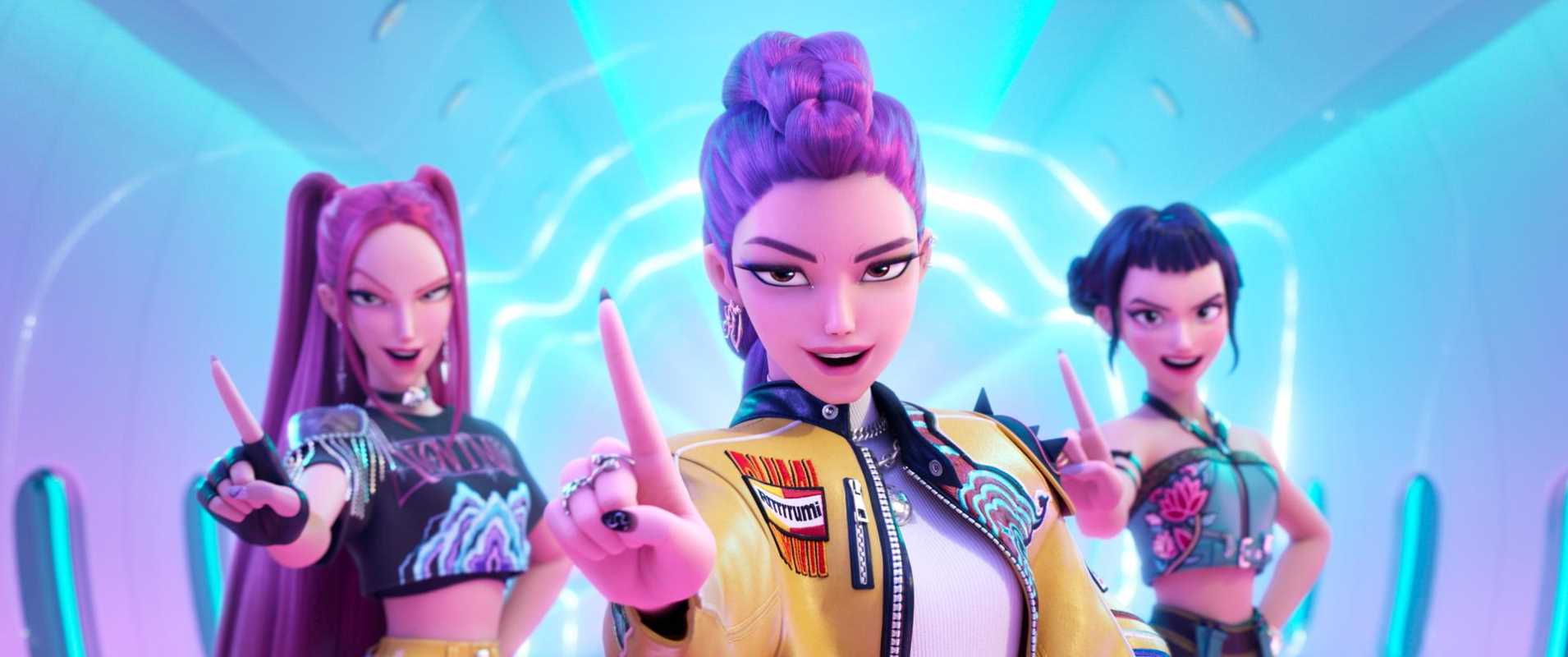
 (Image source: Sony Pictures Animation)
 Have you ever wondered what happens when you take the high-stakes energy of a K-Pop comeback and mix it with actual, literal demon slaying? If you've been anywhere near a screen or a pair of headphones in the last year, you already know the answer. K-Pop Demon Hunters (KPDH) isn't just another animated show. It's the project that finally figured out how to merge high-octane action, a compelling fantasy narrative, and a soundtrack that actually lives on the charts rather than just sitting in the background.
When Sony Pictures Animation first announced this "love letter to K-Pop" under director Maggie Kang, the hype was massive. But let's be honest, we've all seen projects that try to capitalize on a trend and fail to capture the soul of it. KPDH didn't do that. Since its release on Netflix on June 20, 2025, it has transformed from a highly anticipated debut into a genuine cultural phenomenon. It manages to treat the music industry with respect while using Korean mythology to build a world that feels both ancient and incredibly modern.
So what does this actually mean for you as a viewer? It means you're getting a story that understands the pressure of fame is its own kind of monster. Whether you're a die-hard stan or someone who just likes a good fantasy epic, this show has likely already crossed your radar. It’s a spectacular animated action musical that hits all the right notes without feeling like a long-form commercial. [2]
Visual Spectacle and Narrative Pacing
If you think you've seen everything animation has to offer, KPDH might make you look twice. The show uses a hyperstylized integration of 2D and 3D art that feels like a neon-soaked fever dream. Think of it like the digital equivalent of a high-budget music video that never ends. The creators used frame skipping and stuttering effects to give the dance sequences a unique kinetic energy. It almost feels like stop-motion at times, which helps the movement feel intentional and sharp rather than just smooth and generic.
The world-building goes deep, too. You aren't just looking at pretty colors. The show introduces the Honmoon barrier and Mudang shamanism, grounding the fantasy elements in real Korean folklore. This isn't just window dressing. The way the characters use their powers is directly tied to their roles in the group. The fight choreography is so tightly synced to the rhythm of the music that you'll find yourself nodding along to the beat of a sword swing.
For the story, the pacing is mostly relentless. You get a battle of the bands between the hero girl group, HUNTR/X, and a rival demon boy band that is as funny as it is intense. Some critics mentioned the ending felt a bit ambitious or rushed, but the ride getting there is worth it. It balances the "silly" premise of pop stars fighting monsters with a serious look at whether the "demons" they're fighting are always as evil as they seem. [6]
The Heartbeat of the Show
You can't talk about KPDH without talking about the music. This isn't your typical cartoon soundtrack where the songs feel like interludes you want to skip. These are real-world hits. The fictional group HUNTR/X and their rivals, the Saja Boys, have basically taken over the global charts. By September 2025, the soundtrack hit No. 1 on the Billboard 200. That was the longest climb from No. 2 to No. 1 we've seen in decades.
The lead single, "Golden," didn't just chart. It dominated. It sat at the top of the Billboard Hot 100 for six consecutive weeks. Have you seen the TikTok trends for "Soda Pop"? That song alone drove millions of streams because it’s impossible to get out of your head. At one point, eight different songs from the show were on the Hot 100 at the same time. That’s the kind of success usually reserved for artists like Taylor Swift or Lady Gaga.
In the Spotify Wrapped 2025 report, this soundtrack was the second-most streamed album globally. This happened because the songs drive the plot. They aren't just there to sell records. When a character sings, it's because they're reaching a breaking point or finding their strength. The production quality is top-tier because Sony brought in real K-Pop producers to make sure the tracks felt authentic to the genre. It’s the difference between a parody and a tribute.
Character Dynamics and Thematic Resonance
At its core, the show works because you actually care about the girls in HUNTR/X. Their chemistry feels like a real found family, which is a theme that always resonates. You see them dealing with the duality of light and dark, which is a perfect metaphor for the idol industry. They have to maintain a perfect image while literally fighting shadows in the streets.
The protagonist, Rumi, has one of the most interesting arcs. She’s dealing with her secret demon heritage, which leads to some heavy themes about identity and self-acceptance. It’s a bit of a Jungian journey where she has to embrace her own "shadow" to become whole. This depth is what keeps the show from being "just for kids." It’s about the insecurities we all have and the masks we wear to fit in.
Critics have been vocal about how well the show avoids mocking the K-Pop fandom. It’s a solid powerhouse of a show that treats its audience with intelligence. [1] Instead of making fun of the obsession fans have with their idols, it explores why that connection is so powerful. It shows that music can be a literal weapon against the darkness, which is a pretty cool sentiment when you think about it.
Top Recommendations
If you're looking to dive deeper into the world of KPDH or similar genre-bending animation, here are a few things you should check out next.
- The KPDH Official Soundtrack (Deluxe Edition): This is a must-listen. It includes the chart-topping "Golden" and the viral hit "Soda Pop," plus acoustic versions that really show off the vocal talent behind the characters.
- The Art of K-Pop Demon Hunters: For the animation nerds, this book breaks down the 2D/3D hybrid style and shows the early sketches of the demon designs inspired by Korean mythology.
- Spider-Man: Across the Spider-Verse: If the visual style of KPDH hooked you, this is the gold standard for that kinetic, multi-style animation approach.
A New Standard for Genre Fusion
K-Pop Demon Hunters is a rare win where the execution actually matches the ambition of the pitch. It took two things that people are incredibly passionate about, animation and K-Pop, and fused them without losing the heart of either. The visuals are stunning, the music is legitimately great, and the story has enough weight to keep you thinking after the credits roll.
Are there flaws? Sure. Like I mentioned, the finale tries to do a lot in a short amount of time, and some of the secondary characters could have used more screen time to breathe. But these are minor gripes when you look at the bigger picture. The show has set a new bar for how music should be integrated into animated storytelling. It’s not just a must-watch for fans of the genre. It’s a must-watch for anyone who wants to see how streaming and music can work together to create something totally new.
The long-term relevance of KPDH seems secure. With the soundtrack still racking up millions of streams and rumors of a second season already swirling, this isn't a flash in the pan. It’s a success story that proves if you treat your source material with respect and hire the right creative talent, you can create something that resonates across the globe.
Sources:
1. K-Pop Demon Hunters 2025 Review
3. K-Pop Demon Hunters Netflix Film Review
This article on OverReviews is for informational and educational purposes only. Readers are encouraged to consult qualified professionals and verify details with official sources before making decisions. This content does not constitute professional advice.