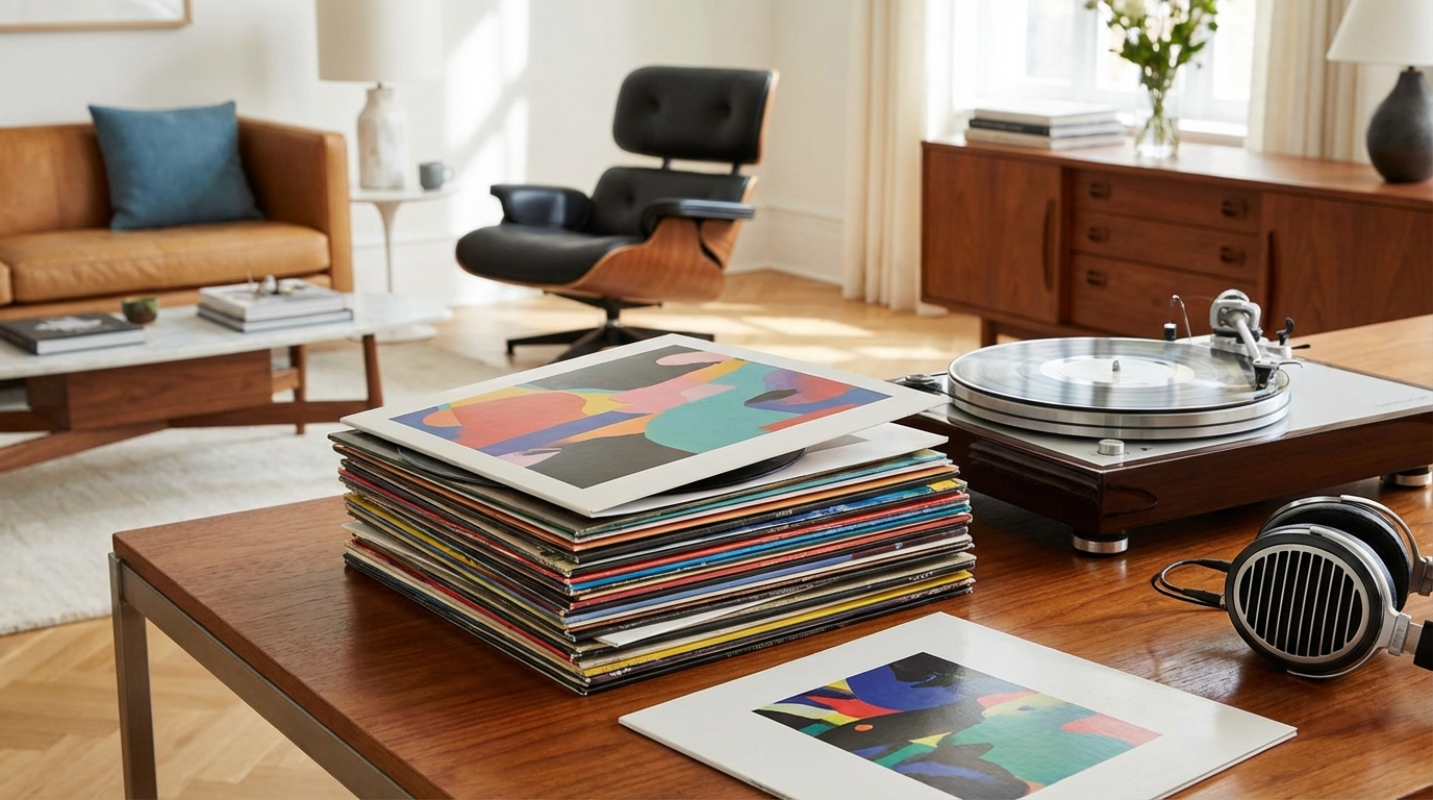
 (Image source: Gemini)
 The musical output of the past twelve months has been defined by a restless desire for genre-defying experimentation and a return to high-concept storytelling. As the industry continues to move away from the algorithmic safety of previous seasons, artists have leaned into maximalism, vulnerability, and technical virtuosity. This recent period saw the triumphant return of legacy acts, the crystallization of emerging superstars, and a fascinating intersection between underground subcultures and the mainstream. The following collection represents the most significant and critically acclaimed long-form releases from this recent cycle, highlighting the records that pushed the boundaries of contemporary sound.
- FKA twigs – EUSEXUA
- In what the artist describes as a "flow state," this record represents a pinnacle of electronic soul and avant-pop. Moving away from the jagged, industrial textures of her earlier work, the production here—handled largely by twigs herself alongside collaborators like Koreless—is fluid and euphoric. The title track serves as a manifesto for the project, blending club-informed rhythms with ethereal, operatic vocal arrangements. It is a deeply physical record, designed for both the intimacy of the dancefloor and the quiet of introspection. By traversing several decades of vocal club music, the artist has created a timeless document of human connection and creative transcendence.
- De La Soul – Cabin In The Sky
- Following a period of profound transition and legacy-building, this project emerged as a triumphant and soulful celebration of hip-hop history. It is a record that breathes with maturity, featuring lush, live instrumentation and the signature wit that has defined the group for decades. The collaboration with various contemporary producers ensures that the sound remains fresh without sacrificing its foundational boom-bap roots. It is more than just a comeback; it is a vital reminder of the group's enduring influence on the culture. Lyrically, the themes of resilience and communal joy provide a grounding presence in an often chaotic musical landscape.
- Tyler, The Creator – Don’t Tap The Glass
- Continuing his streak of reinvention, this latest offering is a giddy, kaleidoscopic blast of funk-inflected hip-hop. Sonically, the record draws heavily from late-century funk basslines and falsetto-driven R&B, yet it retains the abrasive energy of the artist's early career. The project feels like a curated tour through a private record collection, blending Crime Mob samples with sophisticated jazz arrangements. Despite its playful exterior and silly visual aesthetic, the album features some of the artist’s most nuanced lyrical reflections on fame, isolation, and the burden of creative expectation. It is a concise, high-energy work that further cements his status as one of the most unpredictable auteurs in modern music.
- Geese – Getting Killed
- Building on the momentum of their previous experimental rock ventures, this record is an explosive, cinematic journey through art-house thriller aesthetics. The band has mastered a unique blend of delirious percussion and surrealist vocal delivery, creating a sound that feels both historic and entirely new. Tracks move with a frantic, unpredictable energy, often building into massive, wall-of-sound crescendos that challenge the listener's expectations of traditional song structure. The lyricism is dense and evocative, painting a portrait of urban decay and existential dread with a sharp, satirical edge. It is arguably the most adventurous rock record of the recent period, proving that the genre still has plenty of room for innovation.
- Ethel Cain – Perverts
- This sprawling, ambitious project serves as a definitive statement for an artist who has become the face of contemporary "doom-folk." The record is a haunting exploration of generational trauma, religion, and the darker corners of the American South. Sonically, it is a slow-burning masterpiece, featuring tracks that often exceed the ten-minute mark, allowing the atmosphere to thicken and settle around the listener. The production is cavernous and reverby, blending acoustic instruments with distorted, shoegaze-adjacent textures. It is an emotionally taxing listen, yet it is undeniably beautiful, marking a significant evolution in the artist's ability to weave complex, long-form narratives through song.
- Rosalía – Lux
- Continuing her global dominance, this album is a sophisticated evolution of the artist’s "concept pop" approach. While her previous work focused on the deconstruction of traditional flamenco, this new era is defined by its cinematic scope and high-fashion aesthetic. The production is crisp and minimalist, often centering on the artist's extraordinary vocal range while incorporating elements of reggaeton, industrial electronic music, and classical arrangement. Each track feels like a vignette, contributing to a larger narrative of light, shadow, and the price of public visibility. It is a record that demands attention, proving once again that she is one of the few artists capable of bridging the gap between high-art and mass-market appeal.
- Turnstile – Never Enough
- In a bold move that has redefined the boundaries of modern hardcore, this record embraces a maximalist world where '80s synthesizers and power-pop hooks live alongside aggressive, mosh-pit-ready riffs. The collaboration with electronic producers has resulted in a sound that is incredibly polished yet retains the raw, visceral energy of the band’s Baltimore roots. It is an album that prioritizes joy and movement, moving away from the gatekept traditions of the genre to create something inclusive and undeniably catchy. The record's success lies in its ability to satisfy both longtime hardcore devotees and a new generation of listeners looking for something high-octane and melodic.
- Pulp – More
- A sophisticated and warmly received comeback, this album honors the band’s storied history while firmly planting them in the present. The string arrangements are particularly noteworthy, adding a layer of anthemic grandeur to the band’s signature observational songwriting. Lyrically, the record is as sharp as ever, dealing with themes of aging, nostalgia, and the complexities of modern British life. It is a triumphant step into a new era, proving that the band’s chemistry is as potent as it was twenty years ago. The project feels less like a legacy lap and more like a necessary addition to their discography, providing a mature perspective on the themes they have explored throughout their career.
- Blood Orange – Essex Honey
- This record functions as a lush, textural dream, acting more as a curated collaboration than a standard solo project. Featuring a staggering list of guests—including high-profile pop vocalists and underground experimentalists—the album is a masterclass in production and "talent connection." The sound is a seamless blend of drum 'n' bass, classical motifs, and schmaltzy electronica, all held together by the artist's singular vision. It is a deeply personal meditation on grief and transition, yet it is delivered with a striking lightness of touch. The record feels like an endless scaffolding of sound, constantly shifting and evolving as it moves through its various collaborations and stylistic shifts.
- Dave – The Boy Who Played the Harp
- Widely regarded as one of the most significant lyrical achievements of the past twelve months, this project is a deeply introspective look at the complexities of identity and heritage in the United Kingdom. The production is varied, moving from James Blake-assisted downtempo instrumentals to high-energy Afrobeat rhythms, yet the focus remains squarely on the artist's storytelling. The lyricism is dense, tackling socio-political unrest, personal loss, and the phantom effects of history with a maturity that belies the artist's age. It is a heavy, rewarding record that reaffirms his position as the premier voice in modern British hip-hop.
The common thread linking these disparate records is a rejection of brevity and a return to the "album as an experience." In a landscape often dominated by viral singles, these artists have opted for world-building, creating cohesive sonic environments that require dedicated listening. We have seen a significant revival in art-pop, where technical skill and high-concept visuals are as important as the melody itself. Furthermore, the crossover success of hardcore and industrial textures into the mainstream suggests a growing appetite for music that is both challenging and emotionally resonant.
The use of analog synthesizers alongside modern digital production has created a bridge between the nostalgia of the late twentieth century and the futuristic ambitions of the current decade. This previous year has shown that when artists are given the space to experiment beyond the confines of radio-ready formats, the results are universally more compelling, durable, and culturally significant.
This article on OverReviews is for informational and educational purposes only. Readers are encouraged to consult qualified professionals and verify details with official sources before making decisions. This content does not constitute professional advice.