Few appliances are declared dead as often — and as wrongly — as the vacuum cleaner. The most common vacuum complaint, lost suction, is usually not a failure at all but a maintenance backlog with a handle, and thousands of working machines are replaced every year for the crime of a clogged filter. At the same time, some vacuums genuinely are built to die young, with batteries and plastics that time out on schedule. This review sorts the true aging of vacuums from the false: what actually wears out and in what order, why cordless and corded machines live such different lives, the ten-minute routine that restores most machines, and the honest signals that a vacuum is finished rather than just full.
Lost Suction Is Usually a Message, Not a Diagnosis
A vacuum is an airflow machine, and everything about its performance depends on an unobstructed path from floor to bin. That path clogs by design — the machine's whole job is to fill itself with debris — so declining performance is scheduled, not exceptional. Filters load up with fine dust and choke airflow; bins and bags overfill past their effective capacity; hoses swallow socks and toy parts; and the brush roll mummifies itself in hair and thread until it can barely turn. Every one of these is reversible in minutes, and together they explain the great majority of weak vacuums in the world.
The ownership insight is to treat suction loss the way a driver treats a fuel light. The machine is asking for its routine: empty the bin early, wash or replace the filters on schedule, cut the hair off the brush roll, and check the hose for blockages. Owners who do this describe their vacuums as lasting forever; owners who do not buy a new vacuum every few years and wonder why they are all bad.
Bagged and bagless designs distribute this maintenance differently rather than eliminating it. Bags are their own final filter and keep dust off the machine's internals, at a small recurring cost; bins are free to empty but expose filters to everything and release a dust cloud at the trash can. Households with allergies and owners who hate buying supplies land on opposite sides of that trade, but neither side escapes the airflow rule.
What Genuinely Wears Out, in Order
Underneath the maintenance noise, vacuums do have a real wear sequence. Brush rolls lead: bristles wear short, bearings at the roll's ends seize from hair wrapped past the end caps, and the belts that spin them stretch and snap — all cheap, replaceable parts that owners rarely replace. Hoses crack at the ends from being yanked and stepped on. Cord reels fray at the entry point on corded machines; latches, wheels, and hinge points snap on machines built from brittle plastic. Motors sit last on the list, and healthy ones outlast everything — but motors are murdered early by the one thing vacuums cannot digest: fine dust from renovation, drywall, and ash, which slips past loaded filters and grinds the bearings and windings.
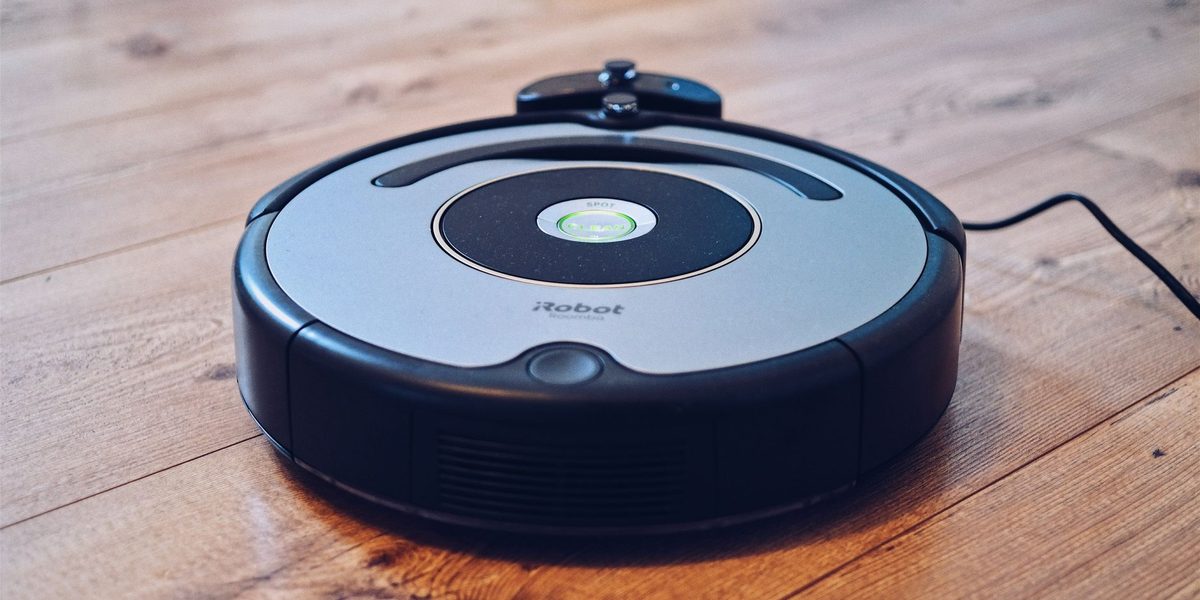
The pattern echoes other appliances: peripheral parts fail early and cheaply, the core fails late and terminally, and most of the terminal failures were caused upstream by skipped maintenance. Robot vacuums compress the same story into a smaller chassis: brushes, filters, and batteries as consumables, wheel modules and sensors as the mid-life repairs, and a main board as the terminal event — with the same rule that models sold alongside a full parts catalog live several times longer than sealed ones.
Cordless Machines Age on a Battery Clock
Cordless stick vacuums changed the aging conversation entirely, because they attached a consumable — a lithium-ion battery — to a durable machine. The battery ages with every charge cycle and with calendar time, showing up first as runtime shrinking below what a full cleaning session needs. On models with replaceable packs this is a maintenance cost; on models with sealed-in batteries it is a death sentence for an otherwise healthy vacuum, and it makes battery replaceability the single most important durability specification on a cordless machine.
Cordless designs also concentrate their other weaknesses: small bins that demand constant emptying, filters that load quickly, and trigger switches rated for a finite number of squeezes. None of this makes them bad — their convenience means floors actually get vacuumed — but the long-term owner should expect a battery purchase mid-life and choose a model where that purchase is possible, ideally from a maker whose packs remain available years after the model ships.
The Ten-Minute Routine That Outperforms an Upgrade
Almost every vacuum in decline responds to the same short service, performed seasonally or whenever performance dips.
- Empty the bin or replace the bag before it is full — performance falls off well before the fill line is reached.
- Wash washable filters and dry them completely — a damp filter fed back into the machine breeds smell and chokes airflow; keeping a spare set means no downtime.
- Cut wrapped hair off the brush roll with scissors or a seam ripper, and clear the roll's end caps where hair strangles the bearings.
- Check the hose and inlets for clogs — a broom handle or dropped coin can halve suction invisibly.
- Inspect the belt on belt-driven heads, replacing it when stretched or glazed.
- Wipe the seals and check the gaskets where the bin meets the body, since air leaks steal suction silently.
This routine restores most machines to something close to original performance, which is why the informed rule is simple: never replace a vacuum until the ten minutes have been spent. Owners who calendar the routine — first weekend of each season, say — report that the machine simply stops having bad days, and the service becomes faster each time as the once-in-years buildup never returns.
Repair or Replace: The Honest Signals
The repair-friendly failures are the peripheral ones: belts, brush rolls, hoses, filters, wheels, and — where the design allows — batteries and switches are all cheap parts, and models with published parts diagrams can be kept alive nearly indefinitely. The genuine end-of-life signals are different in kind: a motor that smells burnt, sparks, or howls at new pitches; cracked main housings that no longer seal; sealed batteries below useful runtime; and, most practically, machines whose parts have simply left the market. There is also a design-quality verdict hiding in every repair attempt — a machine that opens with common screwdrivers and sells spares invites its own survival, while a machine of glued seams and sealed everything was built for a short story regardless of what its motor could have done.
When replacement does win, the decade of ownership writes the shopping list: bagged or big-bin designs for households that hate frequent emptying, washable filters and a replaceable battery as non-negotiables, a brush roll that opens for cleaning without tools, and a parts catalog you can actually browse before you buy.
Final Thoughts
Vacuum cleaners live double lives: as genuinely durable motors and airflow paths, and as maintenance-starved machines declared dead at the first clogged filter. The order of failure is consistent — consumables and peripherals first, motor last, battery on its own clock — and nearly every early death is preventable with a seasonal ten-minute service and a refusal to feed the machine renovation dust. Buy the model built to be opened, learn where its hair and dust accumulate, and the boring miracle follows: the same vacuum, at full strength, for as long as you care to keep cutting the hair off the roller.