 (Image source: Sony Interactive Entertainment)
 You probably remember the chaos when the first game launched back in 2019. Half the internet called it a glorified delivery boy simulator, while the other half treated it like a digital revelation. Now that we've had nearly a year to live with the sequel, Death Stranding 2: On the Beach, the conversation has shifted. It's no longer just about whether you enjoy walking over rocks. It's about how Hideo Kojima decided to break our hearts and then try to stitch them back together in a much more hostile world.
This article focuses on the narrative and emotional weight of Sam’s second outing. We aren't going to spend time talking about boot degradation or ladder placement. Instead, we're looking at the story's ambition and whether the emotional payoff actually lands. Does the sequel manage to evolve the "Strand" concept, or does it get lost in its own cinematic reflection?
Thematic Evolution Expanding the 'Strand' Concept
If the first game was about the "rope" (connecting people), then On the Beach is obsessed with the "stick." This idea comes from Kobo Abe’s philosophy that the first tool humans created was a stick to keep threats away, and the second was a rope to bring things close. In DS2, the world is much more ideologically divided. You'll notice the tone is significantly more cynical than the first game. The Chiral Network didn't just bring people together. It forced people with wildly different views into a room they weren't ready to share.
The narrative asks a tough question: did we actually help people by connecting them? Or did we just give them a faster way to hate each other? This shift makes the "Strand" concept feel more grounded and less like a utopian dream. You're still building connections, but you're doing it with the knowledge that those connections can be used as weapons. It's a darker, more mature take on the post-apocalypse that feels very relevant to our current world.
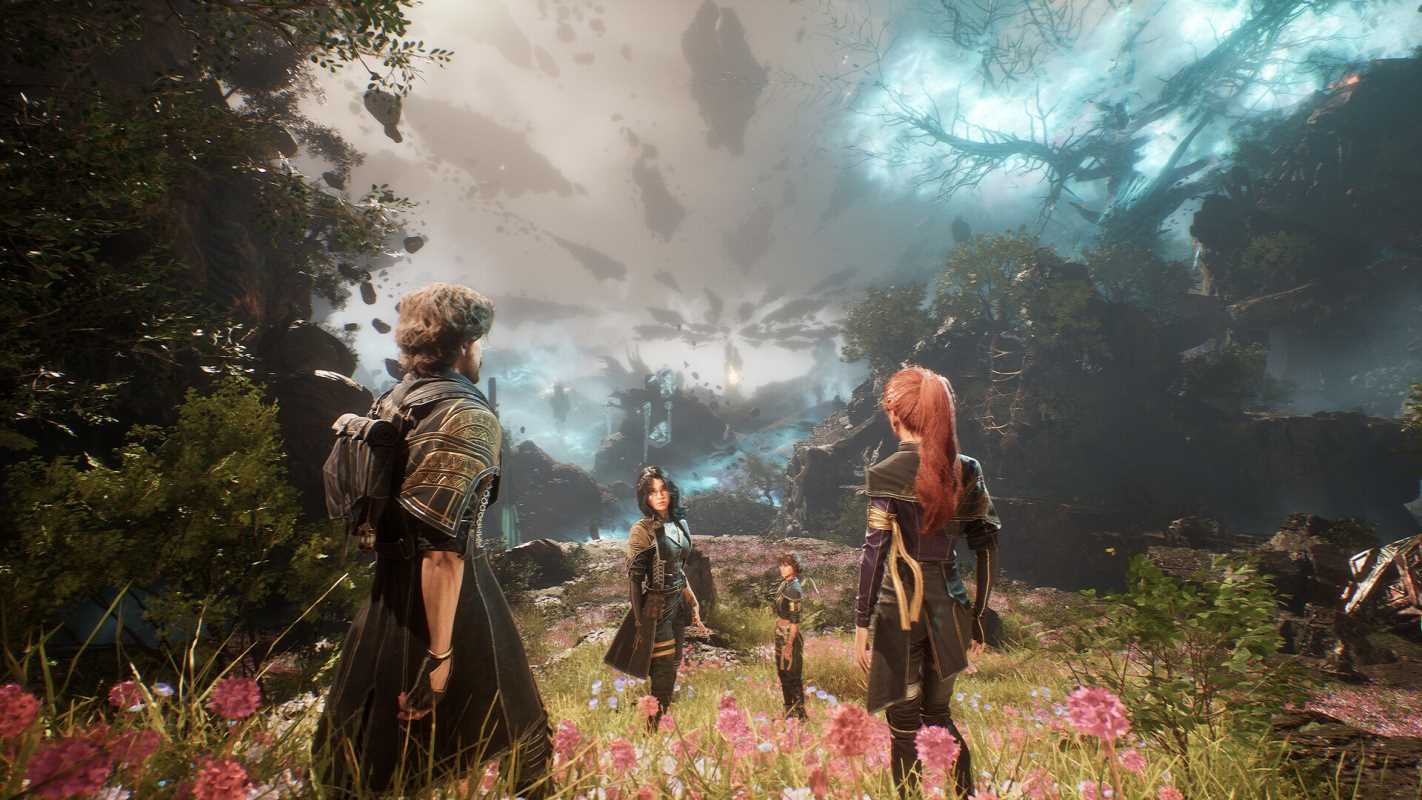
There's also a heavy focus on memory and legacy. The game explores what we leave behind and whether "manufactured hope" is better than no hope at all. Australia serves as the perfect backdrop for this. The spaces feel haunted in a way the American setting didn't. It's a "haunting beauty" that reinforces the idea that Sam is moving through a world that is actively trying to forget its past.
Character Depth and Performance
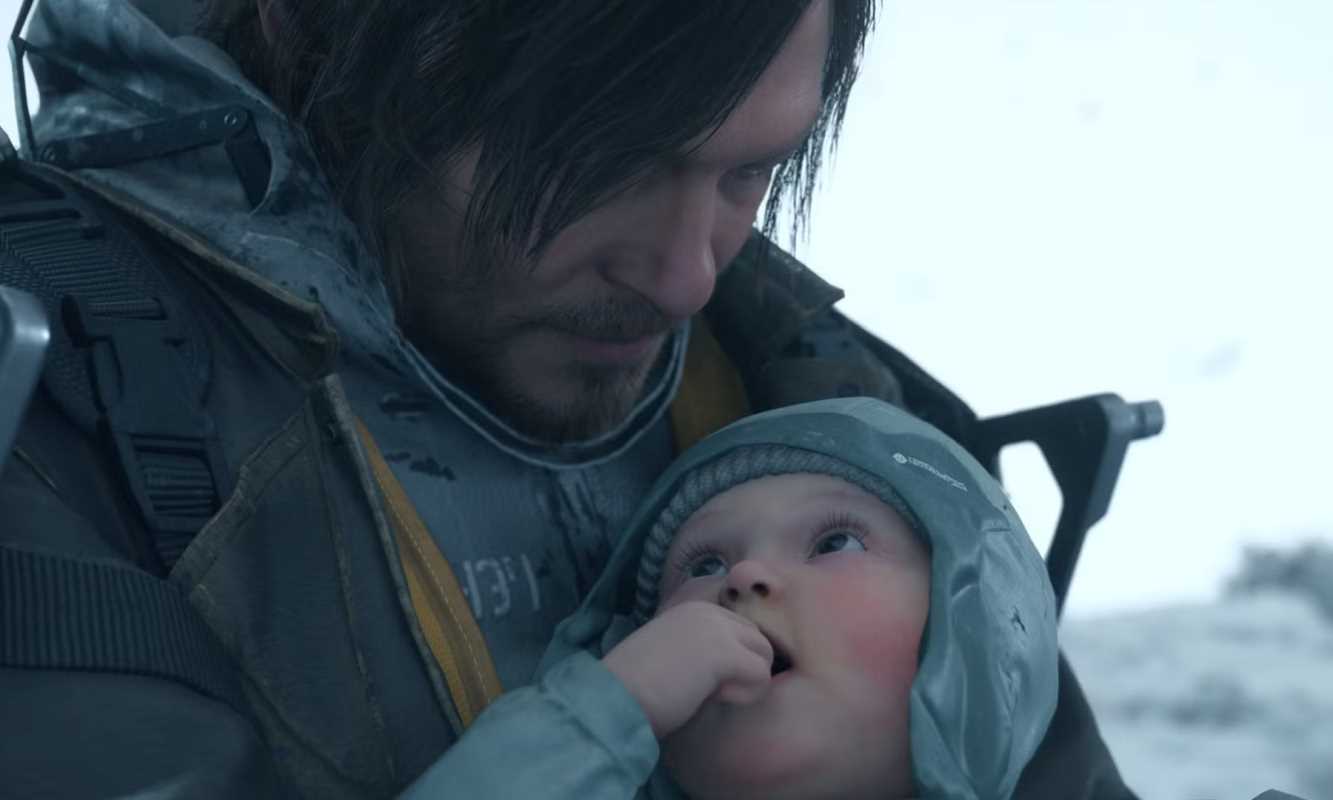
The real heart of this game isn't the grand philosophy. It's the people. Sam Porter Bridges has changed. He's no longer just a weary courier. He's a man grappling with a massive personal loss that changes the entire trajectory of the story. The death of Lou early in the game acts as a "gut-wrenching" catalyst that drives Sam into Australia. It's the moment that shifts the game from a mission of connection to a journey of vengeful mourning.
Fragile also gets a lot more room to breathe here. Her role as the leader of Drawbridge gives her a complexity we only caught glimpses of in the first game. The motion capture and voice acting are, frankly, in a league of their own. You can see the micro-expressions of grief and exhaustion on Sam’s face in a way that makes the 40-hour journey feel deeply personal.
The introduction of the DHV Magellan crew changes the vibe of the game completely. In the first game, you were a lone wolf. Now, you have a found family.
- Sam Porter Bridges: A father figure who is more vulnerable and emotionally driven than ever before.
- Fragile: The strategic mind who is trying to balance her personal trauma with the weight of leading a movement.
- The Magellan Crew: A group that makes the journey feel less like a solo trek and more like a shared expedition.
Reviewers from TheGamer and IGN have pointed out that the game’s "boundless sincerity" is what makes it work.³ Even when you're talking to a literal puppet or dealing with teleporting emus, it doesn't feel like a joke. The actors play it straight, and because they believe in the world, you do too.
Kojima's Signature Style Under Scrutiny
We have to talk about the elephant in the room: the pacing. If you aren't a fan of long cutscenes, DS2 isn't going to convert you. Some of these cinematic breaks are longer than most sitcom episodes. Does it hinder the momentum? Sometimes, yes. There are moments where you just want to get back to the trek, but you're stuck watching a philosophical debate for thirty minutes.
But the ambiguity of the "Beach" mythology is handled with more grace this time around. In the first game, it felt like we were getting a lore dump every five minutes. In On the Beach, the mystery is allowed to simmer. You're given pieces of the puzzle, but you're expected to do some of the heavy lifting yourself. This makes the eventual revelations feel earned rather than just explained.
The Australia setting helps with this pacing because the terrain is more "mechanically rich" and "hand-createed." You aren't just crossing empty plains. You're moving through environments that feel like they have their own stories to tell. The mystery of characters like Neil Vana adds an air of intrigue that keeps you pushing forward, even when the cutscenes feel like they might never end.
Measuring the Lasting Emotional Impact
So, does it all come together? For the most part, yes. Death Stranding 2 is a "masterful sequel" that manages to refine the divisive elements of its predecessor while taking massive narrative risks.² It's a game that isn't afraid to be weird, but it's also a game that isn't afraid to be deeply, uncomfortably human.
The emotional payoff is significant. Although the first game ended on a note of "we did it, we're connected," this game ends with a much more complex realization about the nature of family and the cost of survival. It's a "blockbuster fulfillment" of the series' potential that has resonated with millions of players.¹ By the time the credits roll, you've spent 40 to 50 hours with these characters, and their grief feels like your own.
Within Kojima’s broader portfolio, DS2 feels like his most personal work. It's less about the "big ideas" of war and politics and more about the small, quiet moments between people who are just trying to find a reason to keep going. It’s an arthouse game with a blockbuster budget, and in 2025, that’s a rare and beautiful thing to see in the industry.
Top Recommendations for Your Journey
- Play the Original First. You can't skip the first game. The emotional weight of DS2 depends entirely on your history with Sam and Lou.
- Take Your Time on the Magellan. Don't just rush to the next mission. Talk to the crew. The small interactions are where the real character development happens.
- Invest in Audio. The game won "Outstanding Achievement in Audio Design" for a reason. Use a good pair of headphones to catch the subtle environmental storytelling.
Sources:
1. Death Stranding 2: A Strong Start with Impressive Sales Figures
2. Death Stranding 2 Reviews Are In And It’s A GOTY Contender
3. Death Stranding 2: On The Beach Review Round-Up, Metacritic Score
The reviews and opinions expressed on this site are for informational and entertainment purposes only. While we strive to provide accurate and up-to-date evaluations of businesses, products, and entertainment, the content should not be considered professional advice. Readers are encouraged to verify specific details before making any decisions.