 (Image via
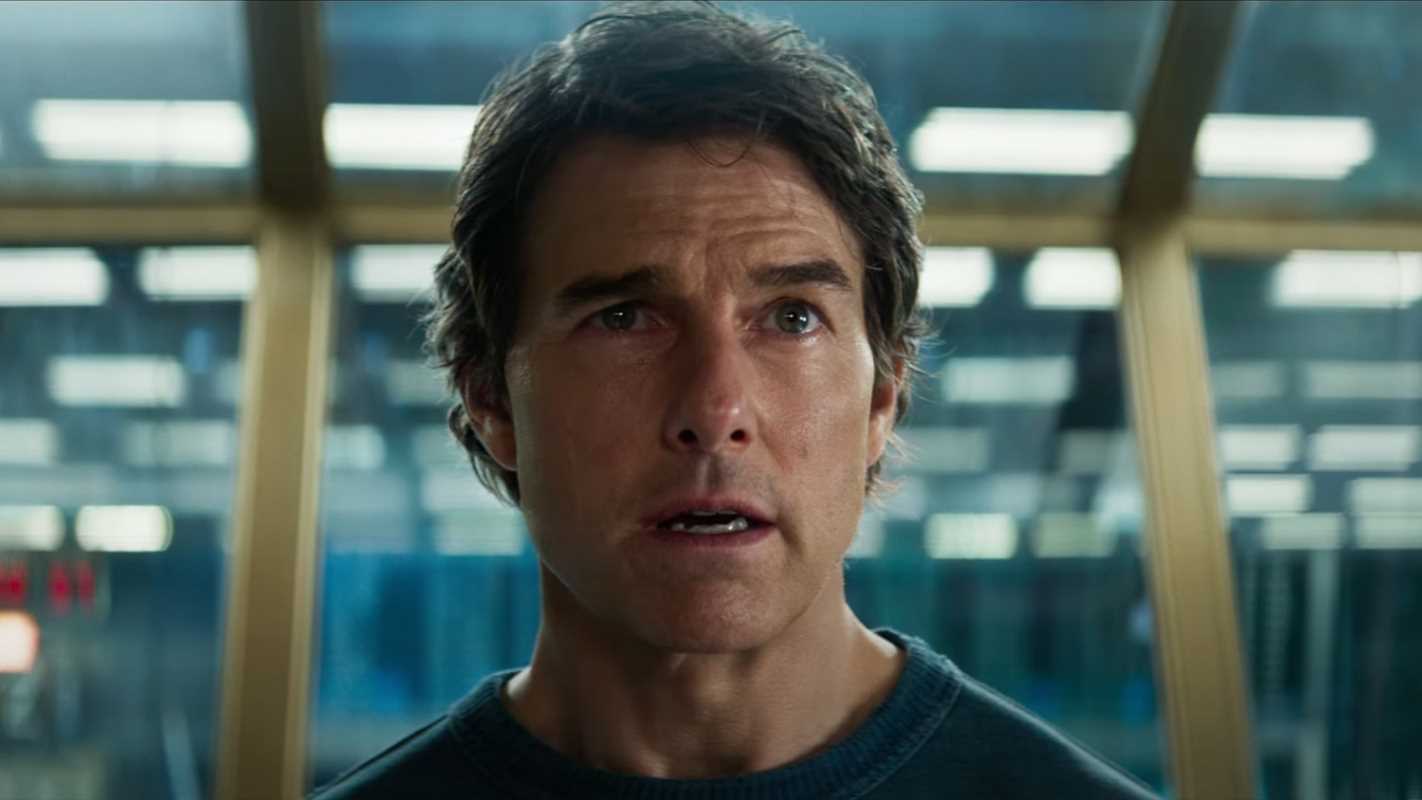
You know that feeling when you're waiting for a friend to finally tell the punchline of a joke they started years ago? That's the vibe we've had waiting for Mission: Impossible – Final Reckoning. After the cliffhanger in the first half of this saga, the pressure on Tom Cruise to top himself was, quite frankly, ridiculous. We're living in 2026 now, and we've seen every digital trick in the book, so the bar for "impressive" is basically in the stratosphere.
We all came for the stunts, didn't we? You don't buy a ticket to a Mission movie to see a nuanced take on international trade agreements. You go to see if Cruise is actually going to survive the year. The good news is that the film delivers exactly what it promised. It's a masterclass in practical action filmmaking. Even when the plot starts to feel a bit like a tangled pair of headphones in your pocket, the sheer physical energy of the production keeps you locked in.
It's a confident, almost casual display of "we're doing this for real." Although other franchises are retreating into the safety of green screens and AI-generated backgrounds, this film doubles down on the dirt, the wind, and the very real danger of its lead actor falling off a plane. It's exhausting, but in the best way possible.
The Stunt Work and the Reality of Practical Effects
If you've been following the production, you already know about the biplane. But seeing it on a massive screen is something else entirely. Cruise performed a wing-walk on a 1930s Boeing Stearman biplane at altitudes that would make most people pass out just from the view. We're talking about a plane moving at 140 mph while a man in his 60s is fighting on the wing.³ It's the kind of thing that makes you lean forward in your seat because your brain knows it isn't looking at a digital cartoon.
The camera work here is what really sells it. Cinematographer Fraser Taggart used these custom Z Cam rigs that get right in the middle of the chaos. You can see the wind ripping at Cruise's clothes and the way the plane jitters in the air. It's visceral. It makes the "CGI bloat" of other summer blockbusters look like a cheap Saturday morning cartoon. Stunt coordinator Wade Eastwood mentioned that the human body starts to break down after 12 minutes of that kind of wind exposure. Cruise apparently pushed it until he was on the verge of passing out from oxygen deprivation.
Then there's the submarine sequence. It's a high-stakes silent movie set inside the wreckage of the Sevastopol. They used an 8.5-million-liter water tank to film this, and Cruise was using a prototype breathing apparatus with a 10-minute limit.² He stayed under for the full duration to keep the scene looking "chaotic and unhinged." You can feel the claustrophobia. It's not just about the spectacle (it's about the tension). When he's struggling for air, you're pretty much holding your breath right along with him.
Think of it like the difference between a live concert and a studio recording. One is polished and perfect, while the other has that raw, unpredictable energy that you can't fake. This film is the live concert. Even the promotional stunts, like the abseil from the Stade de France during the Olympics, felt like a promise that the movie wouldn't take the easy way out.
The Ensemble and the Threat of the Entity
What about the people standing around Ethan Hunt while he's busy being a human wrecking ball? The chemistry between the core team is still the secret sauce of this franchise. Luther and Benji are like those old friends you only see once a year but can immediately start finishing their sentences. They provide the emotional grounding that prevents the movie from becoming just a series of disconnected YouTube clips.
The villain situation is a bit more complicated. The "Entity" (the rogue AI from the previous film) is still the primary threat, and Gabriel is its physical avatar. Is Gabriel a memorable villain? He's effective, sure, but he often feels more like a plot device than a fully fleshed-out character. He's the "logic" to Ethan's "emotion." The stakes are high because the AI knows everything you're going to do before you do it, which creates a fun cat-and-mouse game, even if it gets a bit "tech-heavy" at times.
The balance between character moments and action is mostly handled well, though the film does lean into the sentimentality. Some critics have called it "soapy," and they aren't entirely wrong. There are moments where the movie stops to remind you how much these characters care about each other. If you've been with the series for decades, you'll probably appreciate the heart. If you're just here for the explosions, you might find yourself checking your watch during the heartfelt speeches.
When the Spycreate Slows Down the Pace
Let's be real for a second. At 170 minutes, the movie is a bit of a marathon. The plot is a vehicle for the action, and sometimes that vehicle gets stuck in traffic. There's a lot of exposition about the "Entity" and the keys and the submarine locations. Do you really need to understand the technical specifics of how the AI works? Not really. You just need to know that Ethan has to get to a specific place to stop a specific thing.
The narrative complexity can feel a bit convoluted. There are times when characters spend five minutes explaining a plan that we know is going to go wrong in the first thirty seconds anyway. These pacing dips usually happen right before a major set piece, almost like the movie is catching its breath. It's not a deal-breaker, but you'll definitely notice the length by the time the third act rolls around.
Despite the $300M to $400M budget and the pressure to break even at the box office, the film doesn't feel like it was made by a committee. It feels like it was made by people who really love movies. Even when the story drags, the sheer creativity on display keeps it from becoming boring. It's a "big" movie in every sense of the word, and that scale usually comes with a few narrative lumps.
Before You Watch
If you're looking to get the most out of your Mission: Impossible experience, here are a few things to keep in mind:
- The IMAX Experience - Seriously, don't settle for a standard screen. The aerial sequences and the submarine wreckage were built for the largest format possible.
- Rewatch Part One - The "Entity" storyline is dense. If you haven't seen Dead Reckoning recently, you might spend the first twenty minutes of this film trying to remember who has which half of the key.
- Check the Behind-the-Scenes - Watching the featurettes on the biplane stunt actually makes the movie better. Knowing how they rigged the cameras adds a whole new layer of appreciation for what you're seeing.
The Final Verdict Reckoning
So, is it the perfect ending? It's a triumphant and exhausting experience that reminds you why we go to the movies in the first place. It might not hit the dizzying heights of Fallout in terms of pure narrative flow, but the action payoff is second to none. It's a massive, sentimental, and technically brilliant send-off for one of the few remaining "real" action stars.
The film grossed nearly $600 million worldwide by mid-2025, which is a huge number, even if the massive budget makes the "profit" conversation a bit tricky. But forget the spreadsheets for a moment. As a piece of cinema, it's a must-watch. You won't find another movie this year that works this hard to earn your attention. See it on the biggest screen you can find, buy the largest popcorn available, and just enjoy the ride.
Sources:
2. cbr.com - Tom Cruise Mission Impossible 8 Stunt
3. independent.co.uk - Tom Cruise stunt Paris Olympics
The reviews and opinions expressed on this site are for informational and entertainment purposes only. While we strive to provide accurate and up-to-date evaluations of businesses, products, and entertainment, the content should not be considered professional advice, and readers are encouraged to verify all specific details, pricing, and availability directly with the respective providers before making any decisions.