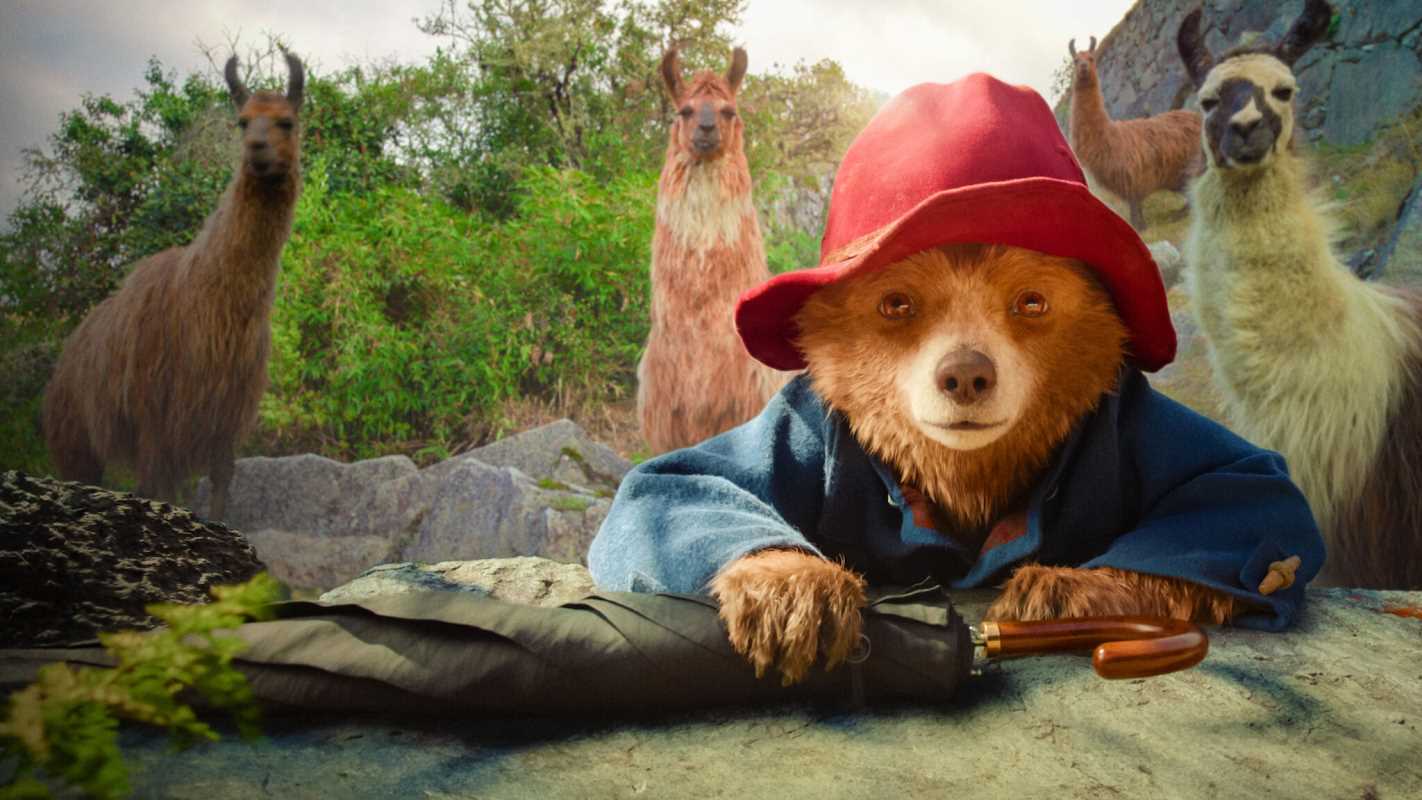
 (Image source: Studio Canal/Columbia Pictures)
 It is honestly a bit terrifying to be a sequel to a movie that basically everyone on the planet decided was a perfect piece of cinema. Following up on the London adventures of our favorite marmalade-loving friend was always going to be a massive mountain to climb, especially when you realize that the original director handed over the map to someone else this time around. But here we are, tucked into a theater seat, hoping that the magic hasn't run out of the jar. The good news is that this latest journey to South America is a total delight, even if it feels a little bit different from the cozy, rainy streets of Windsor Gardens that we’ve all come to call home.
Living Up to the Hype
When you have a franchise that has consistently delivered nothing but warmth and high-quality storytelling, the stakes for a third entry are strangely high. We aren't just looking for a good movie; we are looking for that specific feeling of being wrapped in a warm blanket on a cold day. Transitioning from the established urban setting of the first two films to a sprawling adventure in the wild was a bold move. It’s the kind of shift that could easily lose the charm of the original "fish out of water" story, but the writers managed to find a new way to make Paddington feel slightly out of place, even when he is technically returning to his roots.
A Trip into the Unknown
The story kicks off with a bit of a mystery. Paddington gets a letter from the Home for Retired Bears in Peru letting him know that his beloved Aunt Lucy has gone missing on a scientific expedition deep in the jungle. Naturally, the Brown family isn't about to let him go alone. They pack their trunks, grab enough emergency sandwiches to feed a small army, and head off to the Amazon. From the second they land, the movie shifts gears from the urban whimsy we are used to and turns into a full-blown adventure flick. It’s got a bit of an Indiana Jones vibe, but instead of a whip and a fedora, we have a very polite bear and a family that is trying their absolute best to stay organized in the middle of a rainforest.
The expedition itself is beautifully paced. It doesn't rush into the "action" too quickly, allowing the audience to soak in the new environment. We get to see the Brown family navigate the chaos of travel, the humidity of the jungle, and the sheer scale of the landscape. There is a sense of wonder in the way the film portrays Peru, moving beyond the stereotypes to show a place filled with history, vibrant colors, and hidden secrets.
The Evolution of the Brown Family
One of the biggest talking points going into this one was the casting change for Mrs. Brown. It’s always a little jarring when a main character gets a new face several movies into a series, and Sally Hawkins was so iconic in that role that people were understandably worried. Honestly, though, Emily Mortimer steps into those shoes with a ton of grace. She doesn't try to just copy what came before; she brings her own kind of curious, adventurous energy to the character that fits perfectly with the jungle setting. Within the first twenty minutes, you kind of forget that there was ever a switch, which is probably the highest compliment you can pay to an actor taking over a beloved role.
The rest of the family has grown up, too. The children are no longer the little kids we met in the first film, and their subplots reflect the anxieties of entering adulthood and finding one's own identity. Mr. Brown, played with pitch-perfect comedic timing by Hugh Bonneville, remains the emotional anchor of the group—or at least the one trying to make sure everyone has checked their insurance policies before crossing a rope bridge. His character arc, which involves letting go of his need for absolute safety, is one of the most relatable parts of the movie.
Standout Performances in "Peru"
Then we have the newcomers, and man, do they lean into the fun. Olivia Colman shows up as a singing nun who runs the bear retirement home, and she is clearly having the time of her life. She brings this weird, wonderful theatricality to the screen that keeps you guessing about her true motives. It’s a performance that feels very "Paddington"—a little bit eccentric, a little bit musical, and entirely memorable.
On the other side of the adventure, we have Antonio Banderas as a roguish boat captain named Hunter Cabot. He is basically playing a parody of every dashing explorer we’ve ever seen in a movie, complete with a massive ego and a boat that looks like it’s held together by hope and duct tape. His chemistry with Mr. Brown is a huge highlight. Seeing Bonneville try to apply British health and safety regulations to a leaky boat on the Amazon River while Banderas strikes heroic poses is comedy gold. These interactions provide the bulk of the laughs in the middle section of the film.
A Visual Feast
Visually, the film is a total feast. The new director comes from a background in music videos and commercials, and you can really see that influence in the way he frames shots. There are some incredibly creative sequences that use maps, old photographs, and even the patterns in the landscape to tell the story. The colors are vibrant and lush, moving away from the pastel oranges and blues of London into a world of deep emerald greens and muddy river browns.
The CGI on Paddington himself remains some of the best in the business. You can see every individual hair on his head, and the way his eyes convey emotion is honestly more effective than half the live-action actors working today. There is a specific scene involving a rainstorm where the water effects on his fur look so real you almost want to reach through the screen and give him a towel. The transition to a more action-heavy aesthetic doesn't mean the movie loses its detail; if anything, the complexity of the jungle allows the technical team to show off even more.
Lessons from a Polite Bear
Underneath all the slapstick and the jungle chases, the movie still has that huge, beating heart that made us fall in love with the series in the first place. It’s a story about roots and what it means to belong to a family. Paddington is torn between the life he has built in England and the history he left behind in Peru. It explores the idea that you don't have to choose one or the other—that "home" is a flexible concept that can stretch across oceans.
The search for Aunt Lucy is handled with a delicacy that avoids being overly saccharine. When the emotional payoffs arrive in the final act, they feel earned because the movie has taken the time to establish the stakes. It reminds us that family isn't just about blood or species; it’s about who shows up for you when you’re lost in the woods. The quiet dignity of a bear who just wants everyone to be nice to each other remains a radical and necessary message in today’s world.
Final Thoughts
At the end of the day, this film is a reminder of why we need stories like this. It’s funny, it’s beautiful to look at, and it’s got enough marmalade to last a lifetime. While it might not replace the second film as the absolute peak of the series for some people, it is an incredibly strong third entry that proves this bear has plenty of stories left to tell. It’s a win for families, a win for bear-lovers, and honestly, a win for anyone who just needs a couple of hours of pure, unadulterated joy. It honors where Paddington came from while giving him a whole new world to explore, and that’s a pretty great way to spend an afternoon.
The reviews and opinions expressed on this site are for informational and entertainment purposes only. While we strive to provide accurate and up-to-date evaluations of businesses, products, and entertainment, the content should not be considered professional advice, and readers are encouraged to verify all specific details, pricing, and availability directly with the respective providers before making any decisions.