 (Image source: Inuvo)
 The history of recorded sound is often punctuated by brief, explosive periods where creativity, technology, and cultural sentiment align to produce a staggering volume of high-quality work. Looking back at the landmark twelve-month cycle in question, it is clear that we witnessed a profound shift in how music is consumed, marketed, and valued. This era was not defined by a single sound but by a radical commitment to authenticity across every conceivable genre. From the neon-soaked dancefloors of hyper-pop to the dusty, introspective corners of neo-folk, the records from this period challenged our perceptions and provided a much-needed soundtrack to a world in transition.
In this retrospective, we examine the projects that transcended the noise of the digital age to become modern classics. These are the albums that critics, fans, and fellow musicians returned to repeatedly, finding new layers of meaning with every listen. By organizing these works into thematic categories, we can better understand the diverse forces that shaped the sonic character of that unforgettable time.
High-Concept Pop and Mainstream Brilliance
The mainstream landscape underwent a radical transformation during this period. The rigid boundaries between "indie" and "pop" effectively dissolved, allowing for high-concept projects that were both commercially successful and critically revered. These albums proved that pop music could be deeply vulnerable, sonically abrasive, and intellectually stimulating without losing its infectious appeal.
- Charli XCX – BRAT Arguably the most culturally dominant record of its time, this project was less an album and more a global phenomenon. It reclaimed the messy, hedonistic energy of late-aughts club culture while grounding it in a hyper-modern, digital aesthetic. The production was unapologetically loud, featuring distorted basslines and industrial textures that felt revolutionary for a major-label pop release. Yet, beneath the "party girl" exterior lay a collection of incredibly sharp, self-reflective lyrics. Tracks touched on female friendship, the anxieties of aging in the spotlight, and the internal conflicts of artistic legacy. It didn't just top the charts; it defined the visual and social vocabulary of an entire summer.
- Billie Eilish – Hit Me Hard and Soft Moving away from the minimalist hauntology of her earlier work, the artist delivered a project that was lush, cinematic, and technically breathtaking. This record demonstrated a masterful control of dynamics, shifting from whispered, intimate confessions to sprawling, stadium-sized crescendos. The production—handled as always by her brother—was more sophisticated than ever, blending organic instrumentation with sleek, futuristic electronic flourishes. It was a record that demanded to be heard in its entirety, rewarding the listener with a cohesive narrative about identity, heartbreak, and the terrifying beauty of growing up in public.
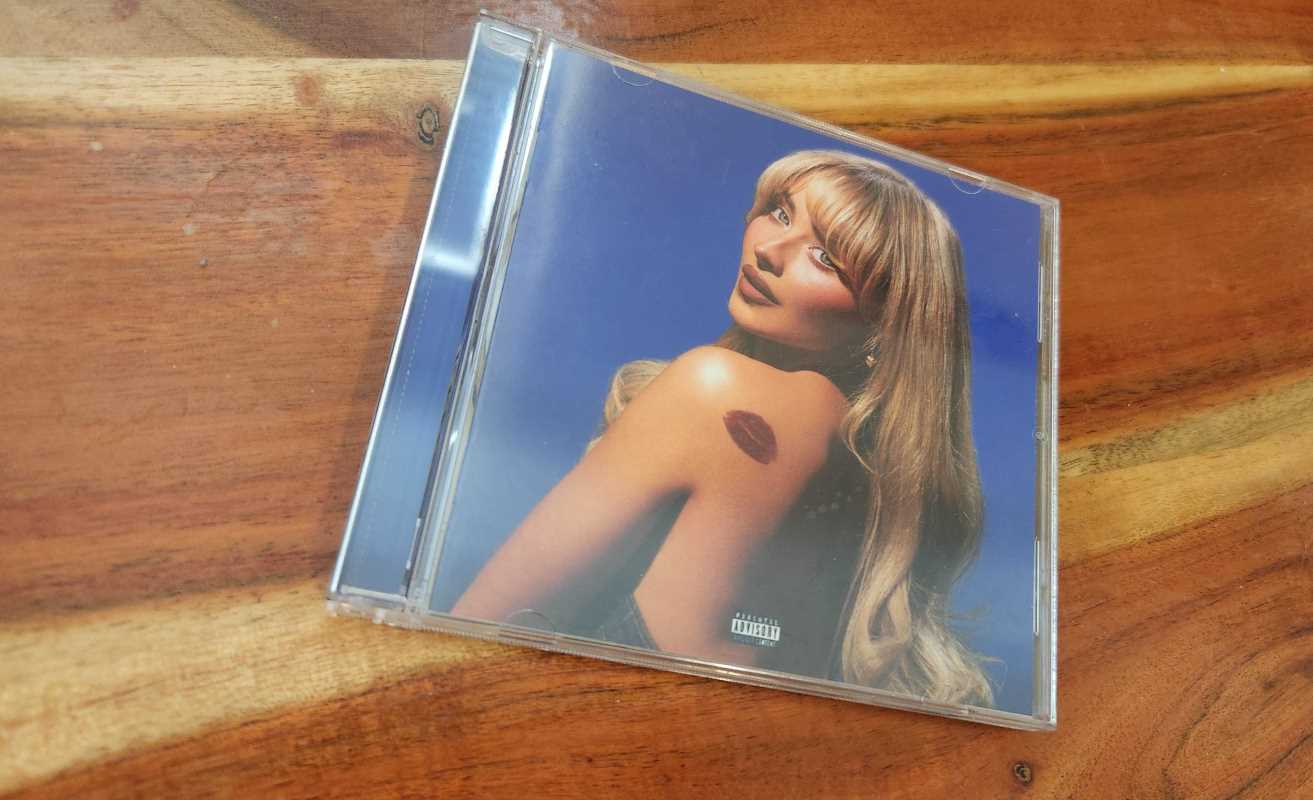
- Sabrina Carpenter – Short n' Sweet This project solidified a new standard for modern stardom. Combining vintage pop sensibilities with razor-sharp, often humorous lyricism, the record felt like a breath of fresh air. It balanced radio-ready hooks with a genuine sense of personality that is often missing from contemporary pop. The arrangements drew from disco, country, and early-century bubblegum pop, creating a sound that felt timeless yet perfectly suited for the present moment. Its success proved that charm, wit, and high-quality songwriting are still the most potent ingredients for a global hit.
- Beyoncé – Cowboy Carter While many categorized this as a pivot into country music, the record was actually a sprawling exploration of American identity and the Black roots of various genres. It was a dense, academic, and deeply soulful project that utilized a massive roster of collaborators to tell a story of reclamation. By weaving together elements of bluegrass, rock, opera, and hip-hop, the artist created a tapestry that challenged the gatekeepers of industry traditions. It was a powerful reminder that the most influential artists are those who refuse to stay in the boxes built for them by others.
The Resurgence of the Guitar and Independent Spirit
While pop was busy reinventing itself, the world of independent rock and alternative music saw a return to raw, visceral energy and idiosyncratic storytelling. This era favored artists who weren't afraid to sound "unpolished" or to lean into the quirks of their local scenes.
- Cindy Lee – Diamond Jubilee A two-hour, lo-fi opus that seemed to arrive from another dimension, this album became a cult sensation through word-of-mouth alone. It was a haunting, psychedelic journey that blended the aesthetics of '60s girl groups with eerie, experimental noise. The record felt like stumbling upon a ghost-filled ballroom or a forgotten radio broadcast. Its refusal to follow traditional industry release models only added to its mystique, making it one of the most rewarding and immersive listening experiences of the cycle.
- MJ Lenderman – Manning Fireworks This record successfully bridged the gap between classic "alt-country" and modern "slacker rock." With a voice that recalled the weary wisdom of veteran songwriters and a guitar style that was both crunchy and melodic, the artist captured the mundane beauty and tragedy of everyday life. The lyrics were filled with vivid, often hilarious observations of small-town existence, delivered with a deadpan sincerity that felt entirely earned. It was a reminder that guitar music, when done with this much heart and humor, remains as vital as ever.
- Fontaines D.C. – Romance Representing a massive sonic leap forward, this record saw the Irish group moving away from the post-punk labels of their youth into a world of expansive, gothic textures. The production was cinematic and heavy, drawing inspiration from '90s alternative and electronic music. The themes of the record focused on the idea of "romance" as a radical act in a collapsing world, resulting in songs that were both anthemic and deeply unsettling. It marked their transition from a localized sensation to one of the most important rock bands on the planet.
- Vampire Weekend – Only God Was Above Us After a lengthy hiatus, the group returned with what many consider their most complex and textured work to date. Drawing heavily from the gritty, industrial landscape of late-twentieth-century New York, the album felt like a love letter to a city that no longer exists. The arrangements were dense, featuring clattering percussion, distorted pianos, and soaring orchestral movements. It was a mature, intellectually stimulating record that proved the band’s curiosity and ambition had only grown with time.
Atmospheric Explorations and Electronic Mastery
Electronic music in this period focused less on the functional demands of the club and more on the creation of rich, immersive worlds. These albums utilized synthesizers and sound design to explore themes of infinity, biology, and the human psyche.
- Nala Sinephro – Endlessness This album was a stunning fusion of spiritual jazz and ambient electronic music. Built around a single, recurring arpeggio, the project felt like a living, breathing organism. It was a record that invited the listener to slow down and notice the subtle shifts in frequency and texture. By utilizing a wide array of live instrumentation—including harps, saxophones, and modular synths—the artist created a soundscape that was both ancient and futuristic. It was a masterclass in tension and release, providing a necessary sanctuary in a hyper-stimulated world.
- Kim Gordon – The Collective Decades into her career, this legendary artist released a project that felt more radical and "now" than anything from her younger peers. Blending abrasive trap beats with her signature spoken-word delivery and distorted guitar work, the album was a disorienting, exhilarating commentary on consumerism and digital isolation. It was dark, rhythmic, and fiercely intelligent—a record that didn't just reflect the chaos of the modern world but actively participated in it.
- Magdalena Bay – Imaginal Disk This was a high-concept synth-pop odyssey that combined glossy production with a surrealist, science-fiction narrative. The songs were densely layered, often shifting through multiple genres within a single track—moving from disco to psych-rock to IDM seamlessly. It was an ambitious, maximalist work that showcased the duo's incredible technical proficiency and their ability to write catchy, memorable pop songs that still felt adventurous.
Poetic Vulnerability and Contemporary Folk
In an age of AI-generated content and digital perfection, there was a profound craving for the sound of the human hand. The folk and singer-songwriter projects of this period delivered this in spades, offering intimacy and unflinching honesty.
- Adrianne Lenker – Bright Future Recorded in a remote forest studio, this album felt like an eavesdropped conversation. The songs were raw, often featuring the creaks of the floorboards or the ambient sounds of the room. The artist’s songwriting reached new heights of poetic precision, exploring the intricacies of love, loss, and the natural world. It was a fragile, beautiful record that reminded us of the power of a single voice and an acoustic guitar to move the soul.
- Waxahatchee – Tigers Blood Following up on a previous breakthrough, this album solidified the artist’s status as a premier voice in modern Americana. The sound was bright, clear, and unburdened, featuring some of the most soaring melodies of the cycle. The lyrics dealt with sobriety, stability, and the hard-won peace that comes with maturity. It was a record that felt like a warm sun on a cold day—deeply comforting but with a sharp, insightful edge that kept it from ever feeling sentimental.
- Jessica Pratt – Here in the Pitch With a voice that feels like it’s being projected through a vintage radio, this artist created a sound that was both nostalgic and entirely unique. The record drew from bossa nova, '60s folk, and chamber pop, yet it felt anchored in the present through its minimalist production and enigmatic lyrics. It was a brief, potent record that created a thick, atmospheric mood, proving that brevity can be the soul of musical brilliance.
The reviews and opinions expressed on this site are for informational and entertainment purposes only. While we strive to provide accurate and up-to-date evaluations of businesses, products, and entertainment, the content should not be considered professional advice, and readers are encouraged to verify all specific details, pricing, and availability directly with the respective providers before making any decisions.