 (Image source: Gemini)
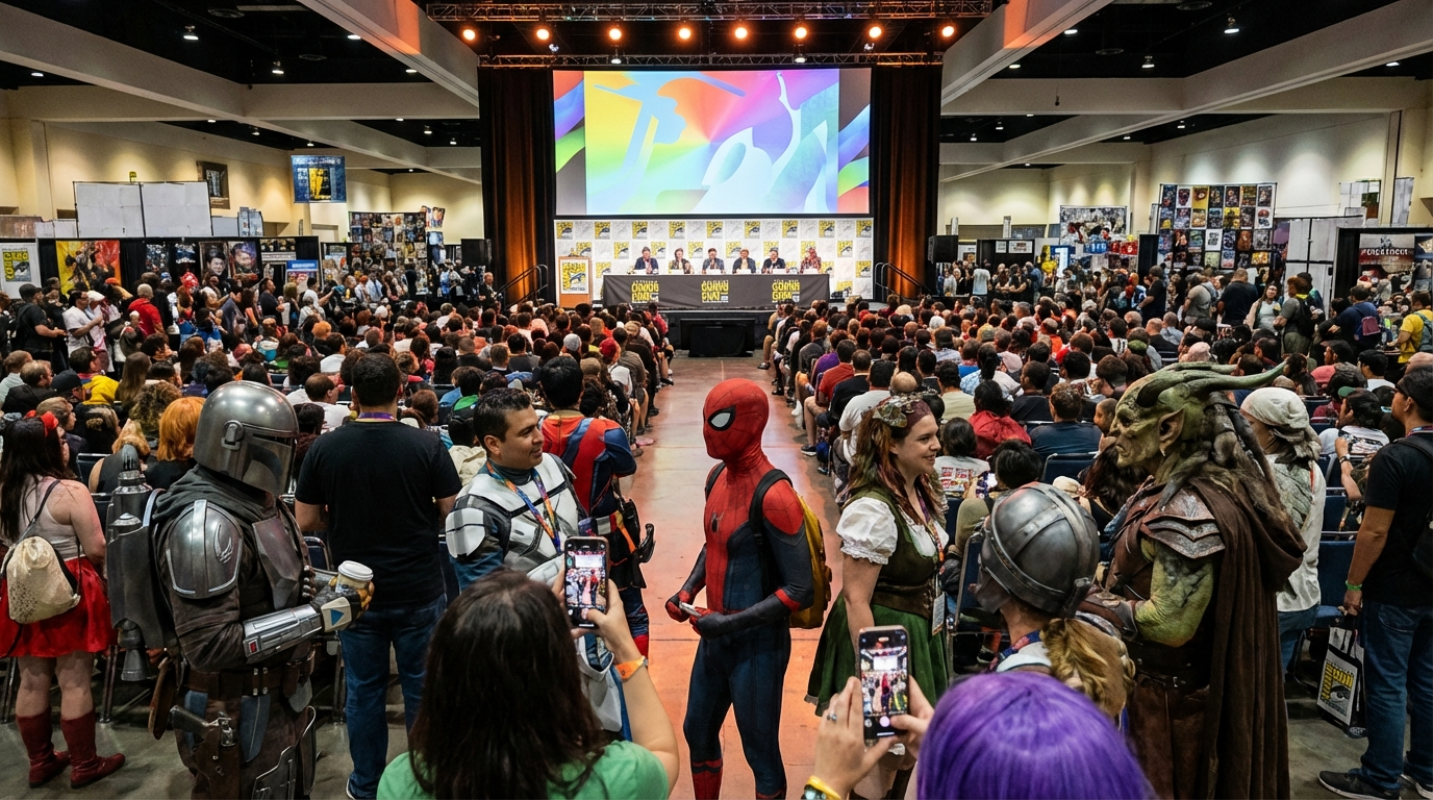
 Did you feel that weird shift in the air last July? If you were standing in the middle of the Gaslamp Quarter during San Diego Comic-Con 2025, you probably noticed something different. The usual earthquake-level rumble of a Marvel Studios mega-panel was missing, but the streets were still packed. It felt like a crossroads for the world's biggest pop-culture gathering. Although some people worried that a year without the "heavy hitters" would leave Hall H feeling like a ghost town, the reality was far more interesting.
The 2025 iteration was a massive experiment in whether the "SDCC brand" could thrive on community and variety rather than just blockbuster trailers. With a record-breaking economic impact of over $160 million for the city of San Diego, the scale certainly didn't shrink.³ But did the experience actually deliver for you, the fan who spent a year's savings on a hotel room? Let's break down how the weekend actually felt once the dust settled and the cosplayers headed home.
The Main Stage Showdown
If you went into 2025 Comic-Con expecting the traditional arms race between Marvel and DC in Hall H, you were likely disappointed. Marvel Studios, Sony, and Paramount all decided to sit this one out.¹ Industry talk suggested the costs of these panels, which can easily climb into the hundreds of thousands for a single hour of programming, just didn't align with their 2025 marketing cycles. So, what does that mean for the most famous room in nerd culture?
It meant that other players finally got to breathe. DC Studios didn't bring a full film slate, but James Gunn and John Cena absolutely owned the room for the Peacemaker Season 2 reveal. They didn't just show a trailer. They confirmed a multiverse-teasing plot that officially links the show to the new DCU. It was the kind of direct, high-energy engagement that fans crave. You could feel the excitement because it felt personal, not like a corporate slideshow.
Disney and 20th Century Studios also stepped up to fill the void. We got our first real look at Tron: Ares, with Jared Leto and Jeff Bridges bringing some much-needed legacy star power to the stage. But the real winner was the horror and sci-fi crowd. Between the full screening of the first Alien: Earth episode and the Five Nights at Freddy's 2 trailer, the "blockbuster" feel was definitely there. It just wasn't wearing a cape this time. Amazon MGM Studios even made its Hall H debut with Project Hail Mary, proving that Ryan Gosling and a high-concept sci-fi script are enough to keep 6,000 people cheering.
The Strength of Mid-Tier and Genre-Specific Programming
Although the big rooms get the headlines, you and I both know the "real" Comic-Con often happens in the smaller rooms. This was the year of the indie spotlight and the deep dive. One of the most historic moments of the weekend had nothing to do with a superhero. George Lucas made his first-ever official SDCC appearance to talk about the Lucas Museum of Narrative Art. Seeing him on stage with Guillermo del Toro felt like a once-in-a-lifetime moment for anyone who cares about the create of storytelling.
Then there was the chaos of the Coyote vs. Acme "meta-panel." In what might be the most talked-about event of the year, the cast staged a mock protest against fake executives trying to shut them down. It was hilarious, rebellious, and perfectly captured the spirit of the con. It's these kinds of moments that remind you why you show up in person. You can watch a trailer on YouTube five minutes after it leaks, but you can't replicate the energy of a room full of people cheering for a "prohibited" film.
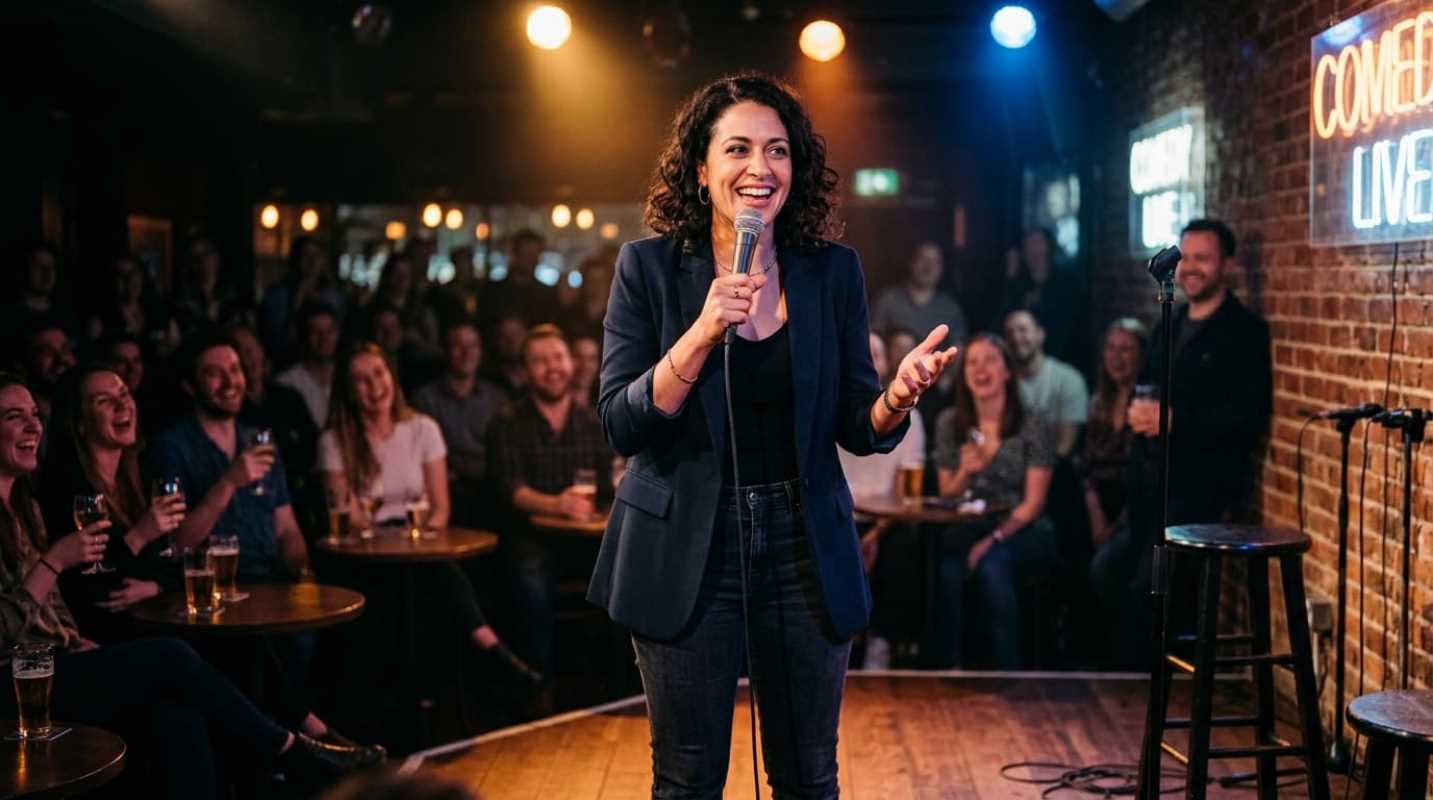
The genre panels were equally strong. The Toxic Avenger reboot panel with Peter Dinklage and Elijah Wood was a gore-soaked delight. They even handed out buckets of "toxic slime" to the audience. It was messy, weird, and exactly what Comic-Con should be. The scheduling for these mid-tier events felt a bit more accessible this year, mostly because the Hall H line wasn't sucking the oxygen out of the entire convention center for the whole weekend.
Crowds, Exclusives, and Activation Zones
Walking the exhibit hall floor in 2025 was like navigating a high-stakes obstacle course. The layout hasn't changed much, but the way we interact with it has. If you were looking for exclusive merchandise, you probably spent more time on your phone than in a physical line. The shift toward digital queuing and reservation systems is almost complete. Although it saves your legs, it does take away some of that "chance discovery" feel. You'll find yourself refreshing an app instead of stumbling upon a cool booth.
The "offsite" activations have become the new heart of the fan experience. Think of it like a theme park that pops up for four days. The Alien: Earth "Crashed Ship" and the Predator: Badlands immersive zones were the gold standard this year. They weren't just photo ops. They were mini-narrative experiences that let you feel like you were part of the IP. These activations are where the brands are spending their "Hall H money" now, and honestly? It's a better deal for the average fan who doesn't want to sleep on a sidewalk for three days.
Top Recommendations
Despite the lack of a Marvel panel, the cosplay on the floor was still dominated by the MCU. You couldn't turn a corner without seeing a variant of Deadpool or Wolverine. It shows that the fan community doesn't need a corporate presentation to keep the hype alive. We're perfectly capable of fueling our own fandom, thank you very much.
Logistics and The Future Ticketing Security and Community Vibe
Let's talk about the elephant in the room: the stairs. On Thursday morning, five of the six main escalators in the Convention Center gave up the ghost.² This created a bottleneck in the Sails Pavilion that was, frankly, a nightmare. Fans started calling the broken machines "Otis" and leaving small offerings like they were shrines to a fallen god. It was a classic Comic-Con moment where people used humor to deal with a total logistical failure.
On the bright side, the new security scanners at Hall H were a game-changer. They managed to speed up entry significantly by cutting down on manual bag checks. If you've ever spent two hours just trying to get through a metal detector, you know how much this matters. But the "TalkBack" panel at the end of the weekend brought some news that had people talking. Starting in 2026, ADA guests will need to provide a "letter of medical necessity" to get specific services.² It's a move intended to stop people from gaming the system, but it's already sparking a lot of debate about accessibility.
Final Word
So, what's the verdict? SDCC 2025 proved that the convention is bigger than any single studio. Even without Marvel's theatrical presence, the event was a massive success. It transitioned from being a purely promotional launchpad into a broader cultural festival. It felt more like a celebration of "being a nerd" than a corporate press junket.
Does 2026 need to improve? Absolutely. The facility issues like the "Escalator Saga" need to be fixed, and the balance between digital reservations and physical access still feels a bit clunky. But the "vibe" was surprisingly authentic. By focusing on continuity and community, the organizers managed to keep the magic alive. If you're planning for next year, expect more immersive offsites and fewer "surprise" movie announcements. The con is changing, but it's definitely not dying.
Sources:
3. kpbs.org
The reviews and opinions expressed on this site are for informational and entertainment purposes only. While we strive to provide accurate and up-to-date evaluations of businesses, products, and entertainment, the content should not be considered professional advice, and readers are encouraged to verify all specific details, pricing, and availability directly with the respective providers before making any decisions.