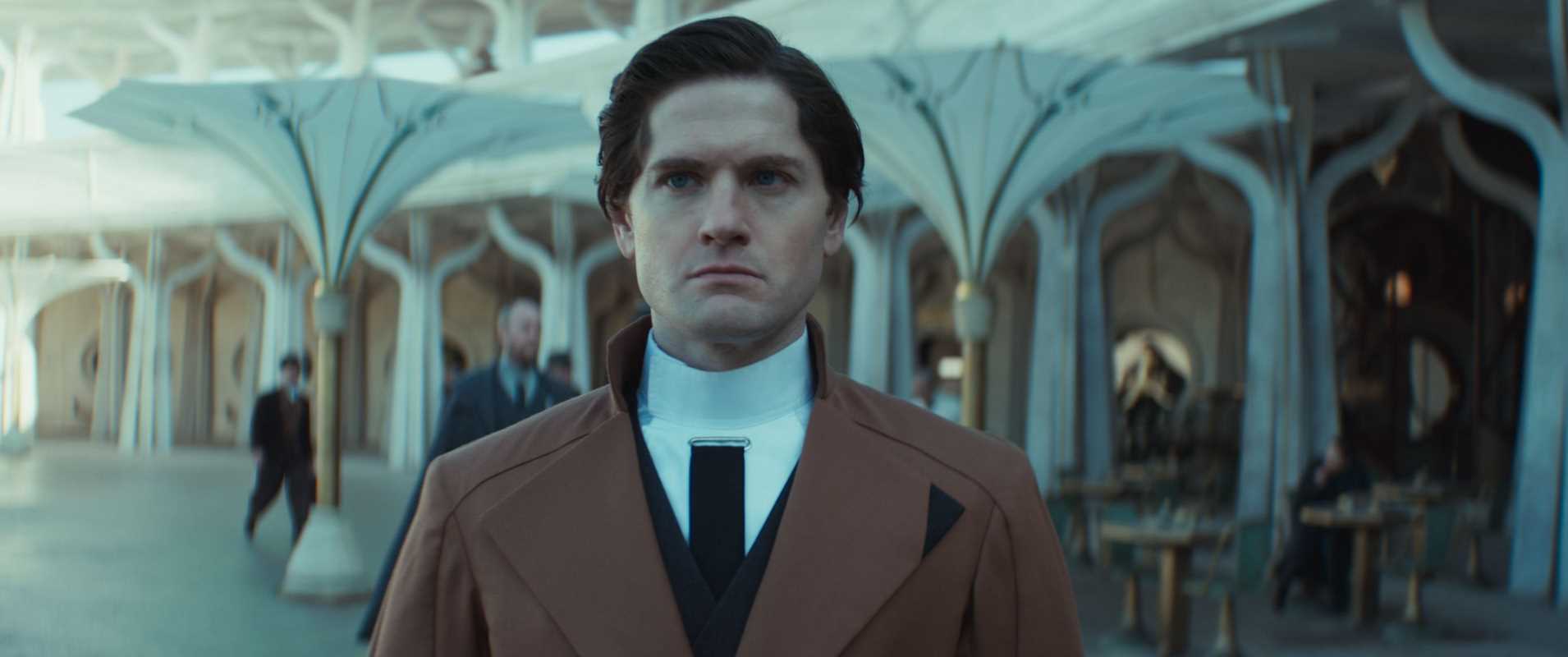
 (Image source: Lucasfilm)
 Remember when we all worried Star Wars was running out of steam? Looking back at the conclusion of Andor Season Two, those fears feel like a lifetime ago. After the first season set a high bar, the anticipation for this final chapter was massive. You probably wondered if Tony Gilroy could actually stick the landing while bridging the gap to Rogue One. He didn’t just stick it; he built a masterpiece that changes how we view the entire franchise.
This season is a masterclass in narrative complexity. It chooses political nuance over empty spectacle every single time. Instead of just giving us more laser fights, it asks uncomfortable questions about what it actually takes to start a revolution. We’re going to look into the storytelling depth, the evolution of these characters, and why this show is the gold standard for prestige television in a galaxy far, far away.
The Unflinching Look at Radicalization and Bureaucracy
If Season One was about a man waking up to the reality of oppression, Season Two is about that same man becoming a weapon. Cassian Andor’s transformation is fascinating because it isn’t a sudden heroic turn. It’s a slow, painful shedding of his old self. You see him move from a guy who just wants to survive to a committed revolutionary who understands that his life is no longer his own. This isn't the shiny, hopeful rebellion from the older movies. This is a gritty, desperate struggle where people have to do terrible things for a good cause.
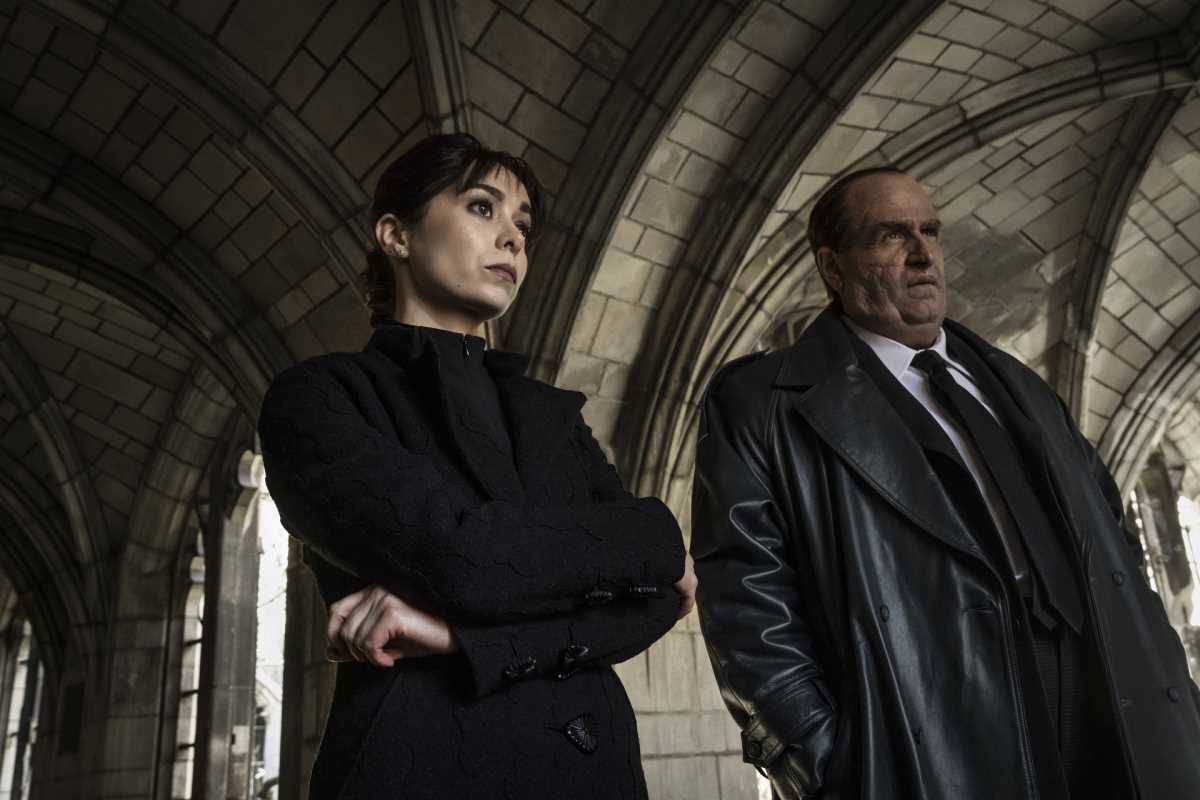
The show spends just as much time in the offices of the Imperial Security Bureau (ISB) as it does on the front lines. Dedra Meero’s evolution is a perfect example of how the show handles its antagonists. She isn't a mustache-twirling villain. She’s a hyper-competent bureaucrat who believes she’s doing the right thing. The horror of the Empire in Andor is that it’s a machine. It’s a system of paperwork, quotas, and economic pressure that crushes people without even trying.
There are no easy heroes here. You’re forced to sit with the moral gray areas of every decision. When the Rebellion wins a small victory, you see the Imperial crackdown that follows. You see the cost of every spark. The show treats the audience like adults who can handle the idea that sometimes the "good guys" have to be just as cold as the "bad guys" to win. It’s a mature handling of ideology that we rarely see in big-budget sci-fi.
Character Arcs That Resonate
Luthen Rael remains the most compelling character in modern Star Wars because he is a man living in a self-imposed purgatory. His sacrifices are psychological as much as they are physical. In Season Two, his descent into necessary cruelty is heartbreaking to watch. He becomes increasingly isolated as the Rebellion starts to take a formal shape. There’s a specific tension in his relationship with Mon Mothma that defines the season. Although she wants a clean revolution, Luthen is willing to use the tools of the enemy.
Mon Mothma’s arc is equally powerful. She’s performing an impossible balancing act between her public life as a Senator and her private life as a traitor. The Ghorman Massacre acts as her breaking point, forcing her to finally abandon the facade of diplomacy. When she eventually denounces Palpatine and flees Coruscant, it feels earned because we’ve seen every agonizing step she took to get there. It’s a story about a woman losing her family and her status to save a galaxy that doesn't even know she’s doing it.
Even the secondary characters carry immense weight. Think about Syril Karn. His story is a tragedy of a different kind. He’s a man looking for meaning in a system that views him as a disposable part. His failure to find a place in the Empire shows how fascism destroys even its most loyal followers. Then there’s the introduction of K-2SO. Instead of a cute droid moment, their meeting is a reunion of necessity. It’s two tools of the machine finding a way to work together. This season proves that every character, no matter how small, serves the theme of systemic resistance.
Cinematic Createsmanship
The writing in Season Two is so tight that it makes most other shows look messy. Every scene has a purpose. Tony Gilroy uses a unique leap-frog structure where every three episodes cover a different year leading up to Rogue One. This could have felt disjointed, but it actually creates a sense of building momentum. You feel the years passing and the stakes rising. It’s a methodical approach that respects your intelligence as a viewer.
The visual aesthetic supports this gritty tone perfectly. You won't find many green screens or flashy CGI vistas here. The sets feel lived-in and heavy. The costumes look like clothes people actually wear. This grounded look makes the moments of action feel much more visceral. When a ship explodes or a blaster fires, it has weight because the world around it feels real. It’s the digital equivalent of a high-stakes espionage thriller that just happens to have spaceships.
Dialogue is where Andor truly beats every other entry in the franchise. The scripts are literate and sharp. Characters don't just state their feelings; they negotiate, they lie, and they manipulate. You have to pay attention to what isn't being said as much as what is. This focus on scripting over spectacle is why the show has maintained a near-perfect 99% important score on Rotten Tomatoes². It’s prestige television that uses the Star Wars setting to tell a story that would be just as compelling if it were set during any real-world revolution.
A Definitive Stand for Mature Sci-Fi Storytelling
Season Two solidifies Andor as a landmark in television history. It successfully bridges the gap between the intimate spy thriller of the first season and the grand-scale drama we see in the films¹. The thematic consistency is incredible. It never flinches from the idea that rebellion has a high price, and it never gives its characters an easy way out. By the time the story reaches the events of Rogue One, you understand exactly why Cassian and the others were willing to give everything.
This is the best franchise television since Star Trek: Deep Space Nine, and it sets a new standard for what these big IPs can achieve when they trust the audience³. It’s a brave, literate, and deeply moving piece of work. If you haven't sat down to watch the full 24-episode journey yet, you’re missing out on the most important story Star Wars has ever told. It’s a reminder that even in a galaxy of myths and legends, the most powerful stories are the ones about ordinary people standing up to an impossible machine.
Sources:
1. Andor Season 2 Charts the Cost of Rebellion
2. Andor Season 2 is Officially the Most Importantly Acclaimed Live-Action Star Wars Project Ever
3. Andor Season 2 Episodes 4-6 Review
The reviews and opinions expressed on this site are for informational and entertainment purposes only. While we strive to provide accurate and up-to-date evaluations of businesses, products, and entertainment, the content should not be considered professional advice, and readers are encouraged to verify all specific details, pricing, and availability directly with the respective providers before making any decisions.