 (Image via
You probably remember the collective breath the world held back in early 2025 when HBO finally dropped the second season of The Last of Us. After the massive success of the first season, the pressure on Craig Mazin and Neil Druckmann was almost unfair. How do you follow up a near-perfect debut while adapting one of the most divisive stories in gaming history? Now that we are sitting in 2026 and have had a year to digest the seven-episode run, it is time to really look at the choices made.
The transition from the first game to the second was always going to be a minefield. The source material for Part II is a jagged, uncomfortable exploration of grief that purposefully alienates its audience. Adapting that for a prestige TV crowd required more than just a shot-for-shot remake. It required a surgical approach to narrative structure. This review looks at whether those big swings paid off or if the show lost its way in the Seattle rain.
Setting the High Bar After Season One
Following the 2023 debut was never going to be easy. That first season managed to capture both the hardcore gamers and your parents who had never touched a controller. It was a cultural moment. When Season 2 premiered on April 13, 2025, it faced a different kind of scrutiny. Fans knew what was coming, and the dread was palpable.²
The core question was simple. Could the show maintain its emotional integrity while navigating a plot that many players still haven't forgiven? The adaptation choices in this season show a team that is deeply confident in its vision. They didn't just lean into the controversy. They restructured the entire experience to fit the weekly television format.
The Elephant in the Room
We have to talk about Episode 2, "Through the Valley." If you thought the game version of Joel’s exit was brutal, the show managed to find a new level of physical and emotional discomfort. The creators made some very specific changes to how this played out. In the game, Joel and Tommy save Abby from a horde. In the show, it is Joel and Dina who perform the rescue while Tommy is back in Jackson.⁷
This change is a massive ripple effect. By putting Dina in that room instead of Tommy, the show ties Ellie’s new relationship directly to her greatest trauma from the jump. Seeing Dina held hostage and sedated while Ellie is pinned down makes their bond feel much more trauma-linked than it did in the 2020 game. It also shifts the weight of the guilt.
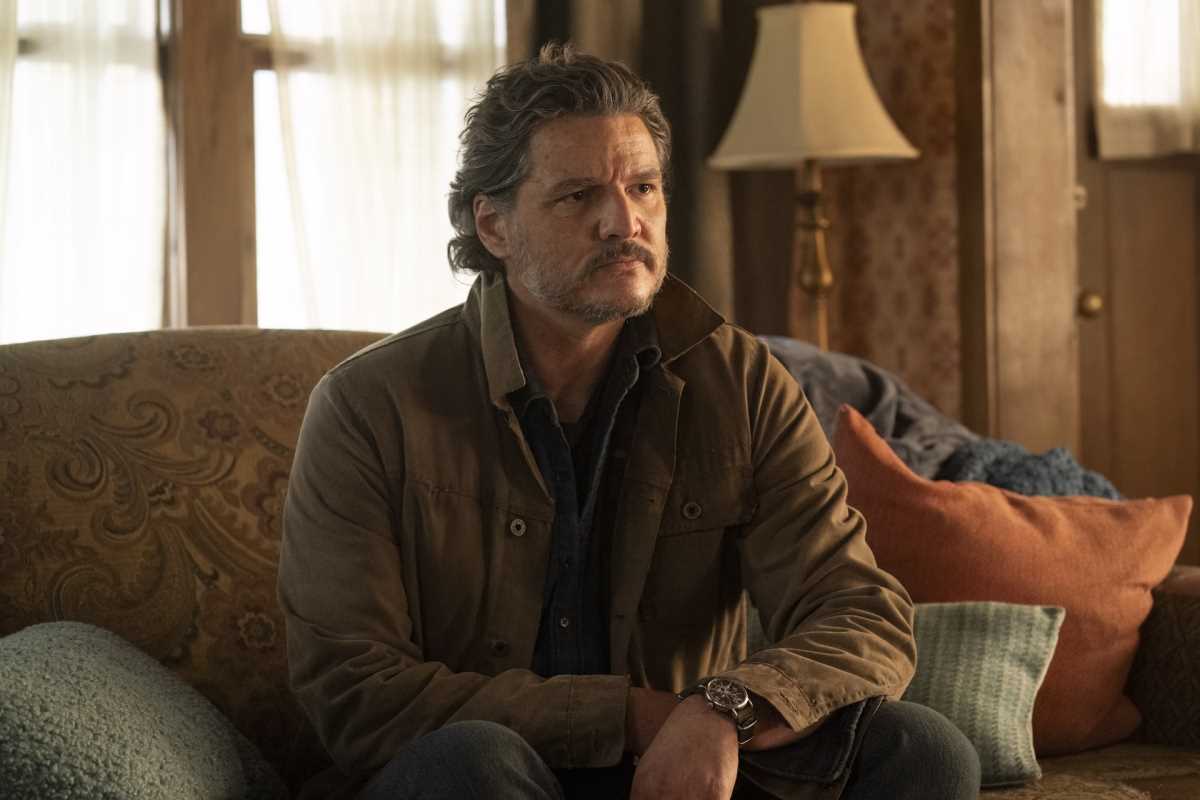
The death itself was tweaked too. Instead of the simple, repetitive blunt force of a golf club, the show had Abby use a broken club handle to stab Joel in the neck before the final blow.⁷ It was a visceral, messy choice that emphasized the raw, unpolished rage Abby felt. Pedro Pascal played Joel’s final moments with a quiet resignation that felt earned. He wasn't begging. He was just tired.
Shifting Perspectives - The Introduction and Focus on Abby
One of the smartest, and perhaps most controversial, choices was moving Abby’s backstory to the very beginning. In the game, you don't find out why Abby hates Joel until you are halfway through the story. The showrunners decided you needed to know immediately. Episode 1 opens with a flashback to the Salt Lake City hospital, showing Abby grieving at her father's grave.
This choice was clearly a move to combat the "review bombing" and intense hatred the character faced in the gaming world.⁸ By giving her a face and a motive before she commits her big "sin," the show asks you to hold two conflicting truths at once. Kaitlyn Dever’s performance matters here. People complained during casting that she wasn't as muscular as the game version of Abby, but her internal rage is terrifying.
She doesn't need to look like a bodybuilder to be a threat. Her eyes do all the work. The show focuses on her "internal brute force" rather than just her physical stature. It makes her feel like a real person who has been consumed by a singular goal for years. Have you ever wanted something so badly it started to rot you from the inside? That is the Abby we see here.
Pacing and Omissions
With only seven episodes, this season felt lean. Maybe too lean. Critics have noted that the narrative feels "frustratingly incomplete" because the story is being split across two seasons.⁶ This means we are left in a bit of a limbo. Some of the smaller side missions from the game were trimmed down or combined to keep the momentum moving toward Seattle.
But the additions are where the show really shines. Take the character of Gail, played by Catherine O’Hara. Adding a therapist in Jackson for Joel to talk to was a stroke of genius. It gave us a window into his head that the game couldn't provide. We got to see him processing the lie he told Ellie in a way that felt organic. It made his eventual death feel even more tragic because he was finally starting to do the work to be better.
The show also expanded on life in Jackson. We see that Maria is pregnant, and they even introduce a son named Benjamin. These aren't just Easter eggs. They raise the stakes for Tommy when he eventually decides to leave for his revenge quest. It makes the community feel like something worth saving, which makes the cycle of violence feel even more destructive.
Violence, Revenge, and Moral Ambiguity
Is the show too bleak? That is a common complaint. But let’s be honest, you don't watch The Last of Us for a feel good time. The show handles the theme of cyclical violence with a heavy hand, but it feels necessary. It doesn't soften the edges of what Ellie is becoming. If anything, Bella Ramsey’s portrayal of Ellie is even more frightening because we saw her as a kid just a couple of years ago.
The show also plays with the "Future Days" song in a clever way. Since the outbreak happened in 2003 in the show’s timeline, that Pearl Jam song wouldn't exist. Joel explains it away by saying he heard it from a "traveling musician" or implies he wrote it himself. It’s a nice meta wink to the fans who were worried about the timeline logic.
The tone remains appropriately oppressive. The show understands the "why" behind the game’s darkest moments. It isn't just about the shock value. It is about showing how grief can turn a good person into a monster. By staying glued to Ellie’s perspective for most of the season, the show makes you complicit in her choices. You want her to get revenge, even when you know it's destroying her.
After the Show
If you are looking to dive deeper into the world of The Last of Us after finishing the season, here are a few ways to keep the post-apocalyptic vibes going.
- The Last of Us Part II Remastered: If you want to see exactly where the show deviated, playing the game is a must. The "Lost Levels" feature gives you a glimpse into scenes that didn't make the final cut of the game or the show.
- The Official Last of Us Podcast: Hosted by Troy Baker, this provides incredible behind-the-scenes context from Mazin and Druckmann about why they made these specific adaptation choices.
- The Music of The Last of Us Season 2: Gustavo Santaolalla’s score remains the heartbeat of the series. The addition of new tracks for Abby’s journey adds a different, more industrial flavor to the familiar acoustic sounds.
Season 3 Outlook
Looking back at these seven episodes, the strongest choice was undoubtedly the restructuring of Abby’s timeline. It was a risky move that could have backfired, but it gave the show a more balanced emotional core. The weakest point is simply the length. Ending the season where they did leaves a lot of threads hanging, and the wait for Season 3 is going to be agonizing.
The creative team has proven they aren't afraid to break the source material to save the story. They aren't just making a "video game movie." They are making a high-end drama that happens to have Cordyceps in it. Even with the audience review bombing and the polarizing plot points, the show remains a powerhouse of storytelling.⁸
So, where does that leave us? We are left waiting for the second half of the story, knowing that things are only going to get darker from here. The adaptation choices made in Season 2 have set a very specific stage. It is a stage where no one is truly a hero, and everyone is a victim of their own choices. Are you ready for what comes next in Seattle? Because I don't think Ellie is.
Sources:
2. as.com
3. collider.com
The reviews and opinions expressed on this site are for informational and entertainment purposes only. While we strive to provide accurate and up-to-date evaluations of businesses, products, and entertainment, the content should not be considered professional advice, and readers are encouraged to verify all specific details, pricing, and availability directly with the respective providers before making any decisions.